
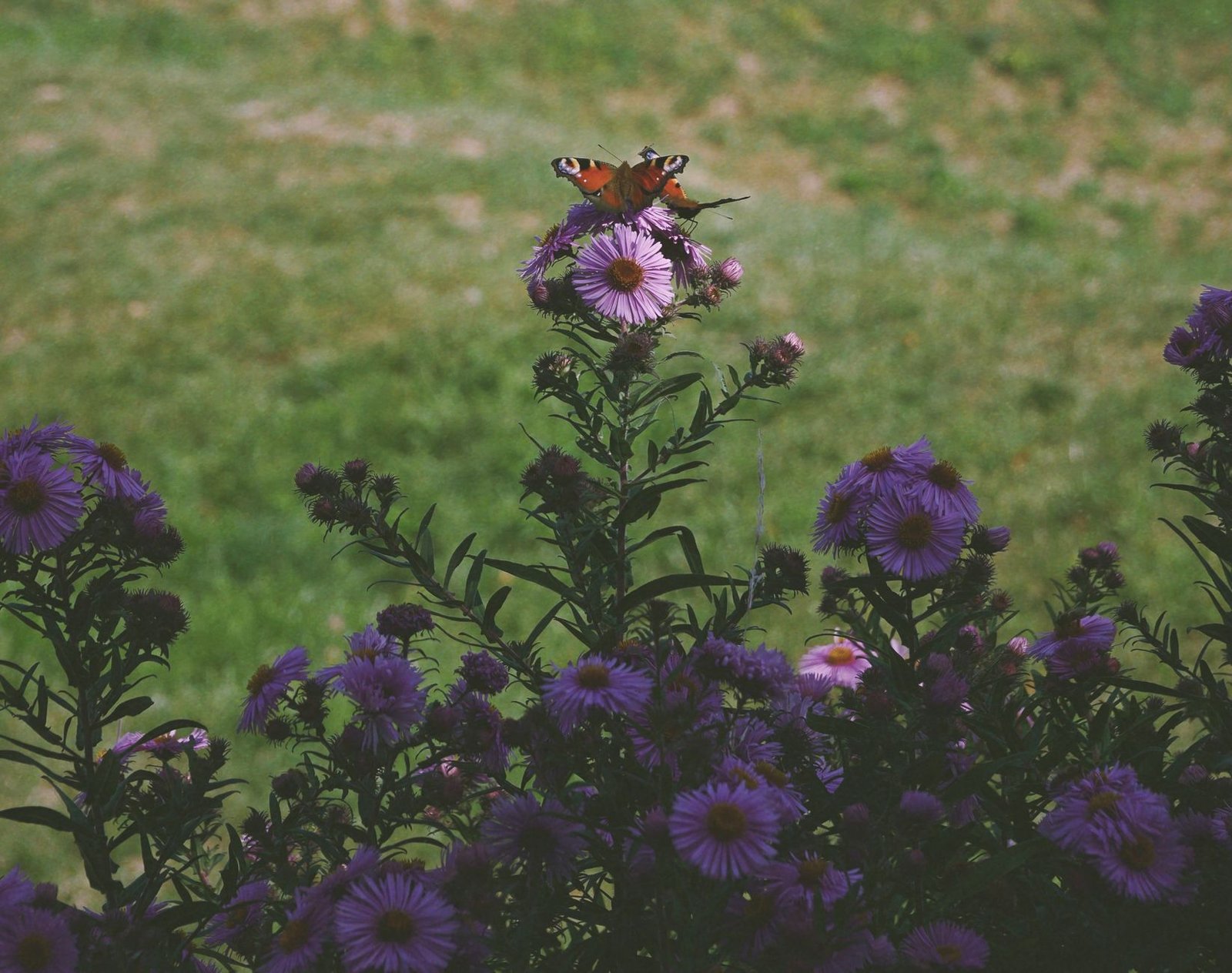
Creating a vibrant garden that also serves as a critical haven for pollinators is a rewarding endeavor. For residents aiming to support local ecosystems while enjoying spectacular blooms, selecting the right plants is paramount. This article highlights five remarkably easy-to-grow perennial flowers that are exceptionally effective at attracting butterflies, suitable for diverse garden settings, and align with contemporary horticultural trends for 2026. These selections focus on minimal care requirements, striking visual appeal, and their proven efficacy in drawing various butterfly species, making them ideal choices for any homeowner.
Cultivating a Biodiverse Haven: 2026 Gardening Innovations
The landscape of gardening and landscape design continues to evolve, with 2026 seeing significant advancements in sustainable practices and smart technology integration. Homeowners are increasingly prioritizing biodiversity, leading to a surge in demand for native and pollinator-friendly plants. Modern material developments include the widespread adoption of biodegradable planting pots, advanced soil amendments featuring slow-release microbial nutrients, and smart irrigation systems that utilize hyper-local weather data to optimize water delivery. Eco-conscious residents are also exploring modular vertical gardens designed with integrated pollinator perches, providing innovative solutions for urban and compact spaces. The emphasis for 2026 remains on creating resilient, beautiful, and ecologically beneficial outdoor environments.
The Top 5 Low-Maintenance Perennials for Butterfly Attraction
1. Echinacea (Coneflower)
Echinacea, often known as Coneflower, is a quintessential butterfly magnet celebrated for its distinctive daisy-like flowers with prominent central cones. Available in a spectrum of colors from classic purple to white, yellow, and orange, these plants offer extended bloom periods from summer into fall. They provide significant visual interest and are incredibly hardy, thriving in USDA zones 3-9. Coneflowers are particularly attractive to a wide array of butterflies, including Monarchs, Swallowtails, and Painted Ladies, providing essential nectar sources.
Care Requirements: Echinacea prefers full sun and well-drained soil. Once established, it is remarkably drought-tolerant, requiring minimal supplemental watering. Newer cultivars for 2026 boast enhanced disease resistance, particularly to powdery mildew, and exhibit more compact growth habits, making them suitable for containers or smaller garden beds. Deadheading spent blooms can encourage further flowering, though leaving some seed heads provides winter interest and food for birds.
2. Asclepias Tuberosa (Butterfly Weed)
Asclepias Tuberosa, or Butterfly Weed, is a vibrant perennial renowned for its brilliant orange flower clusters and its critical role as a host plant for Monarch butterfly caterpillars. Its eye-catching blooms appear from early summer to early fall, making it a focal point in any garden. This plant is a must-have for any resident committed to supporting the Monarch population and thrives in USDA zones 3-9.
Care Requirements: Butterfly Weed demands full sun and performs best in dry to medium, well-drained soils, tolerating poor soil conditions remarkably well. It is highly drought-tolerant once established and generally pest-free. For 2026, there is an increased focus on sourcing regionally native Asclepias species to ensure ecological compatibility and genetic diversity. The application of bio-stimulants during planting can further enhance root development and plant vigor.
3. Salvia Nemorosa (Woodland Sage)
Salvia Nemorosa offers a prolonged display of slender, upright spikes covered in dense, typically purple flowers, though pink and white varieties are also popular. This perennial provides excellent vertical accent and attracts numerous small to medium-sized butterflies, as well as hummingbirds. Its consistent blooming from late spring through summer, often with repeat blooms into fall, makes it a valuable addition to pollinator gardens in USDA zones 4-9.
Care Requirements: Woodland Sage thrives in full sun and well-drained soil. It is exceptionally low-maintenance, requiring minimal water once established and is known for its deer and rabbit resistance. A light shearing after the first flush of blooms can encourage a strong rebloom. Modern garden designs in 2026 frequently incorporate Salvia Nemorosa in xeriscaping projects and pollinator pathways due to its resilience and aesthetic appeal.
4. Phlox Paniculata (Garden Phlox)
Garden Phlox is a beloved summer bloomer, producing large, fragrant clusters of flowers in shades of pink, purple, white, and red. Its sweet perfume and abundant nectar draw a multitude of butterflies, including Swallowtails, Fritillaries, and Skippers. Phlox provides a substantial splash of color and a delightful aroma, making it a garden favorite in USDA zones 4-8.
Care Requirements: Phlox Paniculata prefers full sun to partial shade and consistently moist, rich, well-drained soil. Air circulation is key to preventing powdery mildew, and 2026 sees the proliferation of new, highly mildew-resistant cultivars, making this plant even easier to grow. Regular deadheading can extend the blooming season. Integrated pest management strategies, focusing on beneficial insect populations, are commonly recommended to maintain plant health without chemical intervention.
5. Liatris Spicata (Blazing Star)
Liatris Spicata, commonly known as Blazing Star or Gayfeather, stands out with its unique bottle brush-like spikes of purple flowers that bloom from the top down. This distinctive vertical form adds architectural interest to garden beds and is an irresistible draw for a variety of butterflies, including Monarchs, Swallowtails, and Painted Ladies. It is a robust and visually striking perennial for USDA zones 3-9.
Care Requirements: Liatris thrives in full sun and well-drained to moist soils, tolerating both drought and clay soils once established. It is exceptionally low-maintenance and generally pest and disease-free. Its upright habit makes it an excellent choice for cottage gardens, meadows, and rain gardens. For 2026, innovative designs often pair Liatris with ornamental grasses and other resilient natives to create dynamic, low-water garden schemes that maximize ecological benefit.
Optimizing Butterfly Habitats: Modern Considerations for 2026
Beyond Flowers: Holistic Habitat Design
Attracting butterflies involves more than just planting nectar sources; it encompasses creating a complete habitat. Residents are encouraged to provide shallow water sources, such as a bird bath with stones for perching, and shelter elements like dense shrubs, log piles, or rockeries. Crucially, the inclusion of host plants specific to various butterfly species (like the aforementioned Butterfly Weed for Monarchs) ensures that larvae have a food source, completing the butterfly life cycle within the garden space. Avoiding synthetic pesticides is paramount, with a strong emphasis on organic pest control methods and encouraging natural predators.
Sustainable Practices and Future-Forward Gardening
The year 2026 highlights the importance of selecting native plants whenever possible, as they are best adapted to local conditions and support regional insect populations more effectively. Community garden initiatives and urban planning increasingly integrate pollinator corridors, connecting green spaces to facilitate butterfly movement. Advancements in bio-engineered soils, which enhance nutrient cycling and water retention, are becoming more accessible to homeowners. Furthermore, AI-powered garden planning tools are emerging, assisting residents in optimizing plant placement for sun exposure, soil type, and pollinator attraction, leveraging localized climate data for optimal planting success.
Cultivating a garden rich in biodiversity is an act of ecological stewardship that brings immense satisfaction. By incorporating these five easy-to-grow perennial flowers and embracing modern, sustainable gardening practices, the homeowner can effortlessly transform an outdoor space into a vibrant sanctuary for butterflies, contributing significantly to local environmental health while enjoying breathtaking beauty.