
For homeowners in 2026 contemplating a sauna for their wellness setup, the choice between infrared and traditional models hinges on distinct preferences for heat experience, installation practicalities, and desired health outcomes. Both offer significant avenues for domestic comfort and physiological benefits, yet their operational principles and integration into a modern residence vary substantially. Understanding these differences is crucial for selecting the optimal system that aligns with individual lifestyle and property specifications.
Understanding the Core Differences
Infrared Saunas: The Radiant Revolution
Infrared saunas represent a modern approach to heat therapy, utilizing advanced infrared light emitters to directly warm the body rather than the surrounding air. This technology allows for a gentler, yet deeply penetrating heat experience at significantly lower ambient temperatures, typically ranging from 40-60°C (104-140°F). The heat directly elevates the core body temperature, promoting a profound sweat. Modern infrared units in 2026 frequently feature enhanced carbon fiber or ceramic emitters designed for optimal wavelength distribution and minimal electromagnetic field (EMF) emissions, addressing past homeowner concerns. Materials often include sustainable, non-allergenic woods like hypoallergenic hemlock or basswood, often treated with eco-friendly, non-VOC finishes. The design trend favors sleek, minimalist aesthetics, often incorporating chromotherapy lighting and integrated sound systems for a holistic sensory experience.
Traditional Saunas: The Classic Heat Immersion
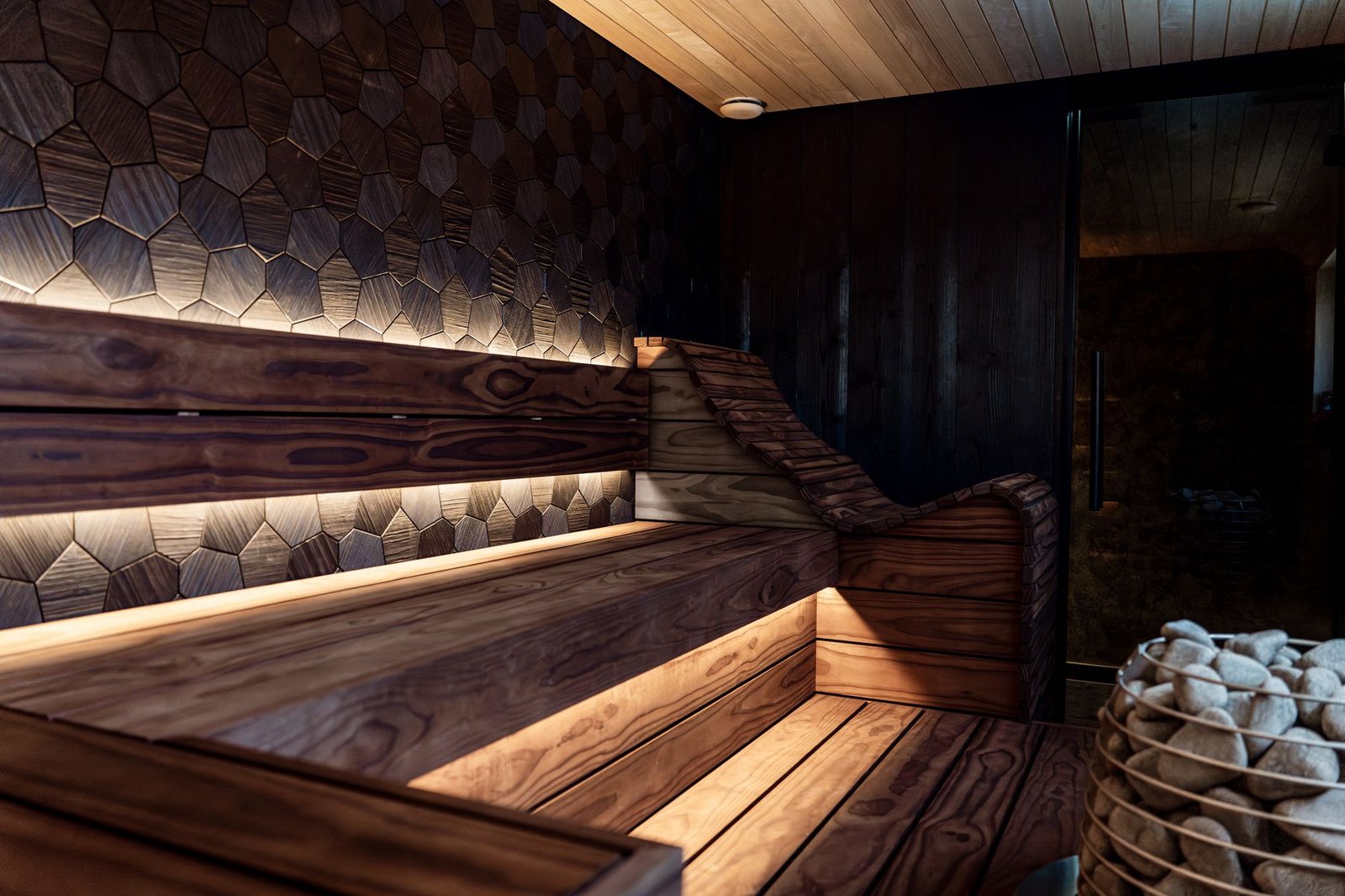
Traditional saunas adhere to ancient practices, heating the air within an enclosed space using an electric heater or wood-burning stove, which in turn heats a pile of rocks. Pouring water over these hot rocks generates steam, increasing humidity and creating an invigorating, high-heat environment, typically between 70-100°C (158-212°F). This method provides a full-body radiant heat that deeply warms the skin and airways, prompting profuse sweating and a vigorous physiological response. In 2026, traditional saunas are seeing innovations in heater efficiency, smart controls for precise temperature and humidity management, and the use of sustainably sourced, rot-resistant woods like western red cedar, Nordic spruce, or thermal aspen. These materials not only contribute to the authentic aroma but also ensure durability, particularly for outdoor installations or integrated garden wellness pods, a growing trend in landscape architecture.
Practical Considerations for 2026 Home Integration
Energy Consumption and Efficiency
Infrared saunas generally boast superior energy efficiency. Their direct heating method and lower operating temperatures translate to reduced power consumption per session. A typical infrared unit might draw between 1.5 to 3 kW, heating up quickly (10-15 minutes) and costing less to run. This aligns perfectly with 2026’s emphasis on sustainable living and smart home energy management, allowing seamless integration with grid-tied solar systems and energy monitoring platforms. Traditional saunas, by contrast, require more power, often between 4.5 to 9 kW, and take longer to pre-heat (30-60 minutes) to reach their higher operating temperatures. While modern traditional heaters are more efficient, the sheer volume of air to be heated means a higher energy expenditure per session. However, the heat retention in a well-insulated traditional sauna can be significant.
Space Requirements and Installation
Infrared saunas offer remarkable flexibility for smaller or existing spaces. Their compact, often modular designs can fit into a large bathroom, a spare room, or even a walk-in closet. Many models are plug-and-play, requiring only a standard 120V outlet, making installation straightforward for the homeowner. This ease of integration is a key factor in their rising popularity for urban and smaller suburban homes. Traditional saunas typically demand more dedicated space and more extensive electrical work (often 240V). They also require proper ventilation to manage heat and humidity, which might necessitate professional installation and architectural considerations. For residents with ample outdoor space, custom-built traditional garden saunas are becoming a prominent feature, offering a distinct aesthetic and an elevated wellness experience within a carefully designed landscape.
Maintenance and Durability
Maintenance for both sauna types is relatively low. Infrared saunas primarily require periodic wiping down of interior surfaces and ensuring the emitters are clean. Traditional saunas also need interior cleaning, occasional replacement of sauna rocks (every 2-5 years depending on usage), and potential treatment of exterior wood if exposed to elements. Material advancements in 2026 include enhanced antimicrobial wood finishes and advanced sealing techniques that reduce maintenance efforts and prolong the lifespan of both interior and exterior components, making both options highly durable investments for the homeowner.
Health and Wellness Perspectives
Heat Experience and Physiological Effects
The core distinction lies in the heat experience. Infrared saunas offer a ‘warm’ rather than ‘hot’ sensation, allowing for longer, more comfortable sessions. The deep penetrating heat is often cited for its effectiveness in muscle relaxation, joint pain relief, and improved circulation without the overwhelming intensity of high ambient temperatures. This makes it appealing for residents seeking therapeutic benefits with a gentler approach. Traditional saunas deliver an intense, enveloping heat. The high temperatures induce rapid and profuse sweating, a vigorous cardiovascular response, and can be invigorating. For some, the extreme heat and humidity provide a more profound sense of detoxification and muscular release, alongside a unique respiratory cleansing experience, particularly when utilizing aromatherapy oils.
Detoxification and Circulation
Both sauna types promote detoxification through perspiration and enhance blood circulation. Proponents of infrared saunas often suggest that their deeper heat penetration leads to a more profound release of toxins stored in fat cells. While scientific consensus on ‘detoxification’ specific to sauna type varies, the overall physiological benefits of heat exposure on circulation, lymphatic flow, and skin purification are well-established for both. The enhanced circulation from either sauna type can contribute to cardiovascular health, supporting blood pressure regulation and overall vascular function for the resident.
Mental Well-being and Relaxation
Beyond physical benefits, saunas serve as sanctuaries for mental well-being. Infrared saunas, with their quiet operation and gentler heat, provide a serene, meditative space conducive to deep relaxation and stress reduction. Many 2026 models integrate guided meditation programs, chromotherapy, and curated soundscapes to enhance this experience. Traditional saunas, with their higher temperatures and often more ritualistic use (e.g., pouring water over rocks, social gatherings), can foster a sense of community, tradition, and robust physical cleansing that many find deeply therapeutic and stress-relieving. Both offer a significant break from daily stressors, contributing positively to sleep quality and overall mood.
Conclusion: Making the Informed Decision for 2026
The choice between an infrared and traditional sauna in 2026 ultimately rests on the individual homeowner’s priorities and specific context. Infrared saunas are generally optimal for residents prioritizing energy efficiency, compact installation, a gentler, deeper-penetrating heat experience for muscle and joint relief, and modern aesthetic integration. They are well-suited for smaller homes, quick daily sessions, and individuals sensitive to extreme heat. Conversely, traditional saunas are ideal for those seeking an intense, encompassing heat experience, a social or ritualistic wellness element, and the classic, robust sauna aesthetic. They require more space and power but deliver an uncompromised high-heat immersion, often preferred for longer, less frequent sessions or as a centerpiece in a dedicated home spa or outdoor wellness zone. For any homeowner embarking on this wellness investment, consulting with an experienced interior designer, landscape architect, and a certified electrician is highly recommended to ensure seamless integration and adherence to all local building codes, guaranteeing a safe and enriching addition to the domestic environment for years to come.