
Addressing Dry Indoor Air: A Foundation for Modern Home Wellness
When the indoor air in a dwelling becomes excessively dry, a range of comfort and structural issues can manifest. For 2026, understanding and addressing these challenges is crucial for optimal living environments. Implementing a whole-home humidifier offers a comprehensive solution, delivering significant benefits that enhance health, preserve property, and elevate overall domestic comfort.
Common Problems Caused by Dry Indoor Air
Persistent low humidity levels indoors can adversely affect both the occupants and the home’s integrity. Respiratory discomfort is a primary concern, with individuals often experiencing dry sinuses, irritated throats, and increased susceptibility to airborne pathogens. The body’s natural defenses, such as mucous membranes, can become compromised, making it easier for colds and flu viruses to take hold. Beyond respiratory health, dry air depletes moisture from the skin and hair, leading to itchiness, flakiness, chapped lips, and dull complexions. Eyes may also feel dry and irritated, a common complaint in arid indoor settings.
Structurally, a lack of adequate humidity can be detrimental to the dwelling itself. Wood, a prevalent material in flooring, furniture, and structural elements, contracts in dry conditions. This can result in visible cracks, warping, and loosening of joints in valuable furnishings, hardwood floors, and even musical instruments. The integrity of modern composite materials, while resilient, can also be subtly impacted over time. Furthermore, dry air amplifies static electricity, posing a risk to sensitive electronics and creating minor, yet frequent, discomfort for residents through static shocks.
7 Whole-Home Humidifier Benefits for 2026
For discerning homeowners in 2026, investing in a whole-home humidification system is a forward-thinking decision, offering a multitude of advantages.
-
Enhanced Respiratory Health and Reduced Illness Incidence
Maintaining optimal indoor humidity levels (typically between 40-60%) significantly reduces the prevalence of dry sinuses, sore throats, and nosebleeds. Properly humidified air also creates an environment less conducive to the survival and transmission of airborne viruses and bacteria, including those responsible for the common cold and influenza. Modern whole-home humidifiers integrate seamlessly with advanced HVAC systems, often featuring smart sensors that adjust output based on real-time indoor and outdoor conditions, providing a proactive defense for respiratory well-being.
-
Improved Skin, Hair, and Eye Hydration
Dry indoor air actively strips moisture from the skin, leading to conditions like eczema flare-ups, persistent itching, and premature aging signs. Similarly, hair can become brittle, frizzy, and prone to static. A whole-home humidifier replenishes this lost moisture in the air, allowing the skin to retain its natural hydration, promoting healthier hair, and alleviating dry, irritated eyes. This creates a more comfortable and aesthetically pleasing environment for residents, complementing the latest in smart skincare regimens.
-
Preservation of Home Furnishings and Interior Elements
One of the most valuable benefits is the protection afforded to a home’s interior. Wood furniture, hardwood flooring, cabinetry, and intricate millwork are susceptible to shrinking and cracking in dry conditions. Musical instruments, often valuable investments, are particularly vulnerable to low humidity. By ensuring consistent humidity, a whole-home system helps prevent these costly forms of damage, preserving the aesthetic appeal and structural integrity of a resident’s investments in fine materials and artisanal pieces. Advanced material sensors in 2026 can even detect subtle changes in wood moisture, prompting humidifier adjustments.
-
Greater Energy Efficiency and Reduced Heating Costs
Humid air feels warmer than dry air at the same temperature. This physiological effect means residents can comfortably set their thermostats a few degrees lower during colder months without sacrificing warmth. The result is a noticeable reduction in heating energy consumption and associated utility costs. Integrating these systems with AI-driven climate control platforms, common in 2026 smart homes, further optimizes energy usage for peak efficiency and sustainability.
-
Significant Reduction of Static Electricity
In dry environments, static electricity builds up readily, leading to unpleasant shocks and potential damage to sensitive electronic devices. With the proliferation of advanced smart home technology and integrated entertainment systems in 2026, protecting these investments is paramount. A whole-home humidifier introduces sufficient moisture into the air, effectively neutralizing static charges and creating a safer, more comfortable interaction with household electronics and textiles.
-
Optimized Health for Indoor Plants and Biophilic Design Elements
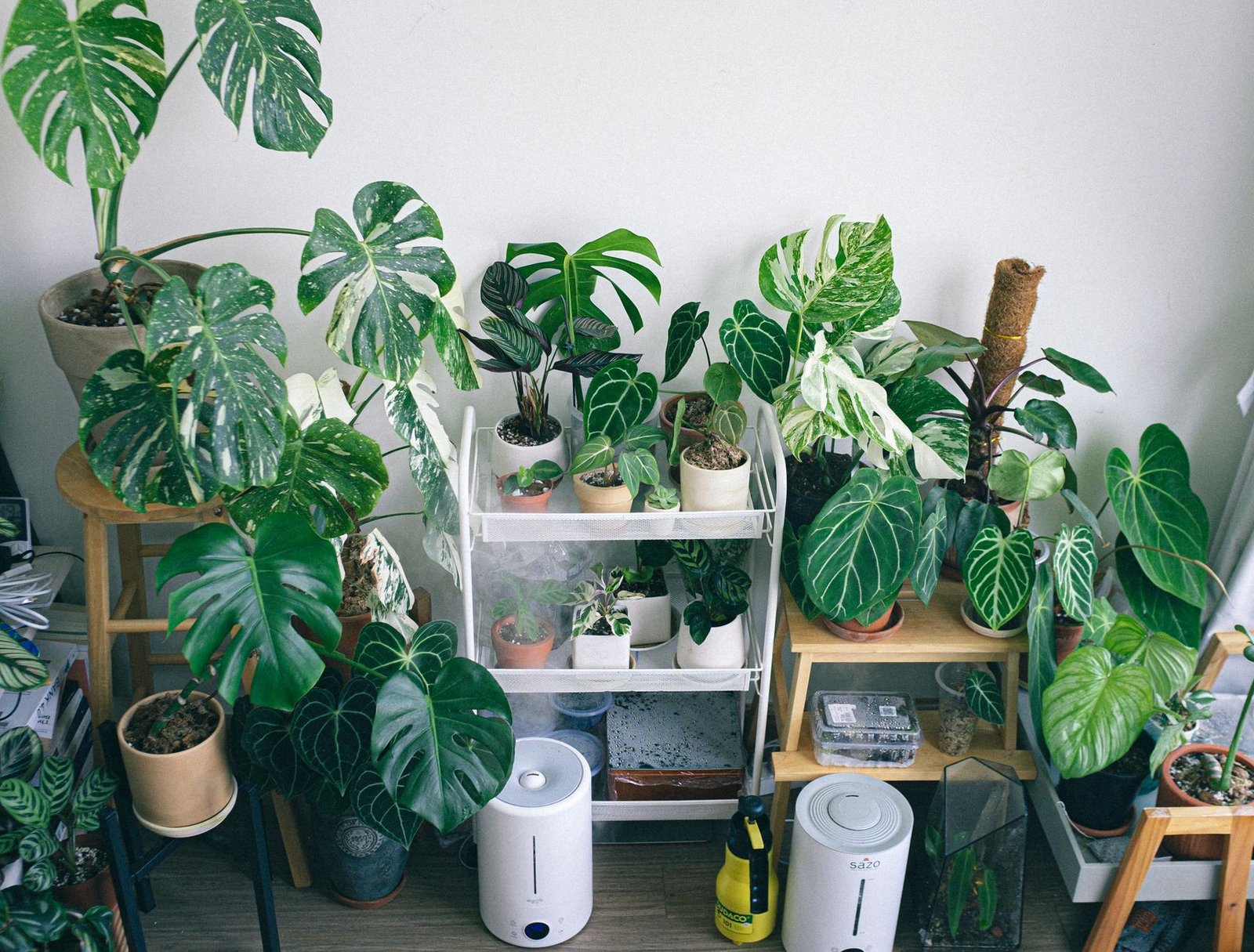
For those embracing biophilic design and integrating extensive indoor plant collections, consistent humidity is indispensable. Many popular houseplants, particularly those from tropical or subtropical regions, thrive in environments with higher moisture levels. Dry air can cause leaf tips to brown, inhibit growth, and make plants more susceptible to pests. A whole-home humidifier supports robust plant health, enhancing the aesthetic and air-purifying benefits of indoor flora, a key trend in 2026 home wellness.
-
Overall Enhanced Comfort and Elevated Sense of Well-being
Beyond the tangible benefits, a balanced indoor humidity level contributes significantly to a resident’s overall sense of comfort and well-being. The air feels softer, breathing is easier, and the unpleasant dryness that often characterizes winter months is eliminated. This creates a more inviting, tranquil, and restorative living space, aligning with the 2026 focus on holistic domestic comfort and creating sanctuaries within the home.
Integrating Whole-Home Humidification in Modern Dwellings
The 2026 landscape for whole-home humidifiers includes an array of sophisticated options. Bypass and fan-powered models integrate with forced-air heating systems, while steam humidifiers offer independent operation and precise moisture control. Modern units boast smart features such as automatic calibration, integration with existing smart home ecosystems, and low-maintenance designs. Many utilize advanced filtration to ensure clean moisture delivery. Selecting the right system involves considering the dwelling’s size, climate, and the resident’s specific needs, often guided by professional HVAC and design consultation.
Conclusion
The challenges presented by dry indoor air are multifaceted, impacting both personal well-being and the longevity of a home’s valuable assets. For homeowners navigating 2026, the installation of a whole-home humidifier is not merely a convenience but a strategic enhancement to the living environment. By consistently maintaining optimal humidity, the resident invests in improved health, enduring comfort, and the preservation of their dwelling’s intrinsic value, creating a truly harmonious and resilient home for years to come.