
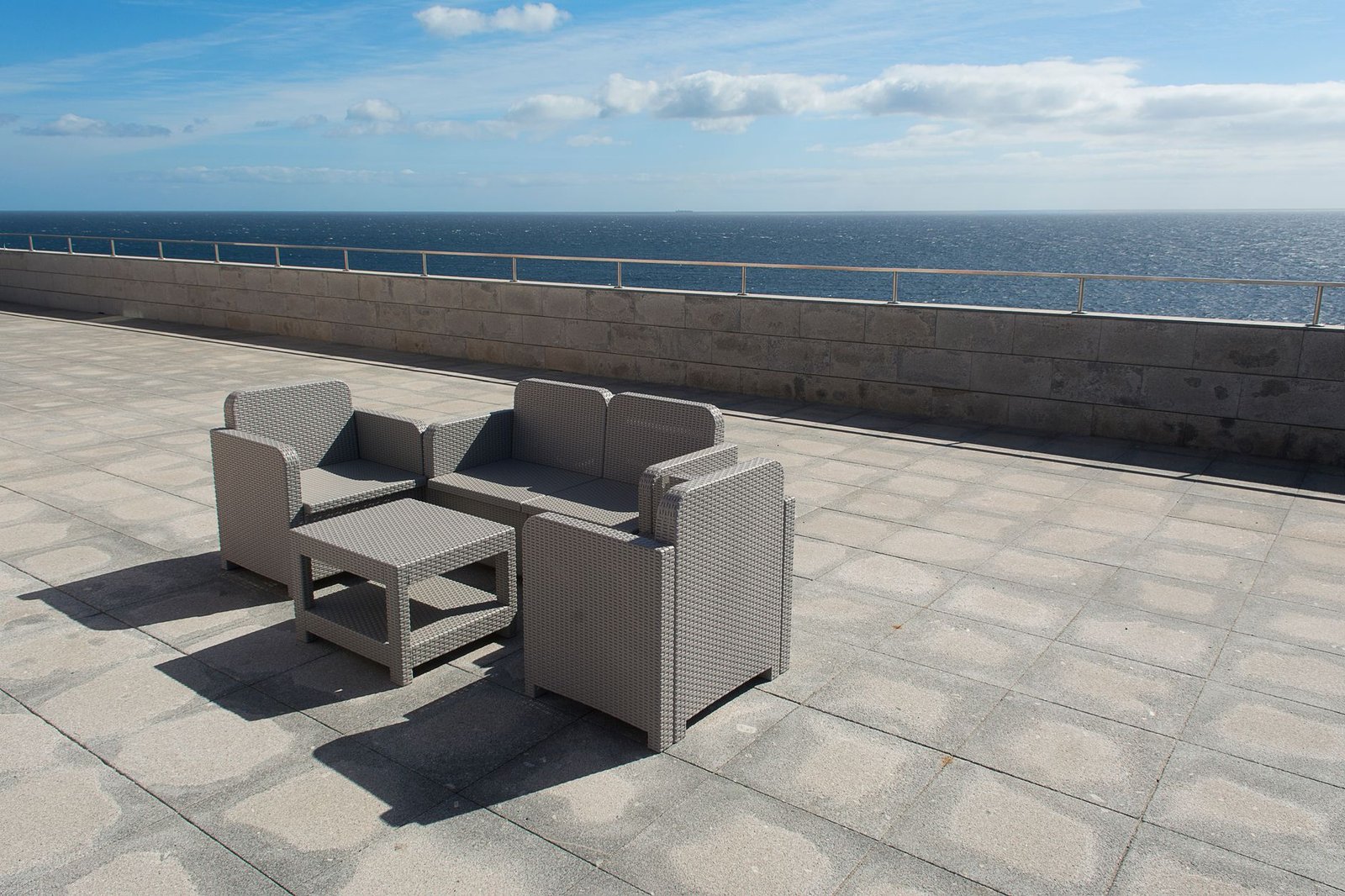
When considering exterior upgrades for 2026, selecting the optimal material for a low-maintenance patio is paramount for ensuring long-term enjoyment and minimizing upkeep. While the ‘best’ material is subjective to specific project parameters, high-quality porcelain pavers and advanced composite decking materials designed for ground-level installation frequently emerge as leading contenders due to their superior durability, aesthetic versatility, and minimal maintenance requirements. The ideal choice ultimately balances initial investment, desired aesthetic, and the resident’s lifestyle.
Understanding Low-Maintenance Patio Needs in 2026
In 2026, homeowners prioritize outdoor spaces that are not only beautiful and functional but also demand minimal effort to maintain. The concept of ‘low-maintenance’ transcends simple cleaning; it encompasses materials that resist fading, staining, cracking, and biological growth with little intervention. Modern material science and evolving design trends provide numerous sophisticated options for creating such spaces.
Key Considerations for Material Selection
- Durability: The material’s ability to withstand environmental stressors, foot traffic, and UV exposure without significant degradation.
- Aesthetics: The visual appeal, color retention, and textural qualities that align with the overall architectural and landscape design.
- Cost: The total expenditure, including material purchase, installation labor, and long-term maintenance costs.
- Ease of Maintenance: How frequently and intensely the surface requires cleaning, sealing, or repair to preserve its appearance and structural integrity.
- Environmental Impact: Consideration of sustainable sourcing, recycled content, and permeable properties for effective water management.
Top Contenders: Evaluating Patio Materials for 2026
The 2026 landscape for outdoor living presents several compelling material choices, each with unique advantages for a low-maintenance patio.
1. Engineered Pavers (Porcelain & Permeable Concrete)
Engineered pavers, particularly those made from porcelain and advanced concrete, continue to dominate the low-maintenance category. Porcelain pavers are a standout for 2026. Manufactured from highly refined clay and fired at extreme temperatures, they are virtually non-porous, making them highly resistant to stains, fading, scratches, and frost. Their rectified edges allow for tight jointing, minimizing weed growth. The trend for 2026 sees an expansion of large-format porcelain slabs, creating sleek, modern patios with fewer grout lines. Permeable concrete pavers offer an environmentally conscious option, allowing rainwater to filter through the surface and recharge groundwater, a critical feature for sustainable landscape design. While requiring joint infill maintenance, their overall surface upkeep is minimal.
- Durability: Excellent, especially porcelain, which is extremely hard-wearing.
- Aesthetics: Vast array of colors, textures, and sizes; can mimic natural stone or wood. Large formats are a key 2026 trend.
- Cost: Moderate to high for materials; installation can be labor-intensive.
- Maintenance: Very low for porcelain (sweep/wash). Permeable pavers may require occasional joint replenishment.
2. Advanced Composite Decking (Patio Application)
While traditionally used for elevated decks, contemporary composite materials are increasingly being engineered for ground-level patio applications. These materials, typically a blend of wood fibers and recycled plastics, have evolved significantly. 2026 innovations include enhanced capping technology that provides superior resistance to scratching, fading, and staining, along with improved thermal stability to reduce heat retention. The appeal lies in their mimicry of natural wood textures without the associated maintenance of sanding, staining, or sealing. Specialized substructure systems now facilitate their use directly on grade, offering a truly walk-out patio experience.
- Durability: High, resistant to rot, insects, and splintering.
- Aesthetics: Realistic wood-grain and contemporary finishes; color retention is excellent.
- Cost: High initial investment.
- Maintenance: Extremely low; typically requires only occasional washing with soap and water.
3. Sealed and Stamped Concrete
Concrete remains a popular and cost-effective foundation for many patios, and with proper treatment, it can be relatively low maintenance. In 2026, advanced sealing compounds with longer lifespans and enhanced UV resistance are extending the maintenance cycle for stamped and colored concrete. Stamping techniques can convincingly replicate the look of natural stone, brick, or even wood. However, the critical element for low maintenance is the quality of installation and the consistency of resealing. Without regular resealing, stamped concrete can fade, stain, and become more susceptible to efflorescence and surface wear. While crack development cannot be entirely eliminated, proper sub-base preparation and expansion joints can mitigate their frequency.
- Durability: Good, but prone to cracking over time; surface relies heavily on sealant.
- Aesthetics: Highly customizable with various patterns and colors.
- Cost: Low to moderate initial cost.
- Maintenance: Moderate; requires resealing every 2-5 years, depending on climate and traffic.
4. Modern Natural Stone (Treated/Large Format)
Natural stone such as granite, bluestone, or travertine offers unparalleled beauty and timeless elegance. For 2026, the trend leans towards large-format natural stone slabs that minimize grout lines, creating expansive, luxurious surfaces. To enhance their low-maintenance profile, many natural stones are now available pre-sealed or can be treated with high-performance impregnating sealers upon installation. These sealers penetrate the stone to resist staining while allowing it to breathe. While the initial cost and installation can be significant, the longevity and inherent beauty of natural stone provide lasting value. Selection of a dense, less porous stone type is key to minimizing maintenance.
- Durability: Excellent, highly resistant to wear.
- Aesthetics: Unique, authentic, and luxurious; natural variation adds character.
- Cost: Highest initial investment.
- Maintenance: Moderate; typically requires resealing every 1-3 years depending on stone type and traffic, plus regular cleaning.
2026 Trends and Innovations in Patio Materials
The outdoor living sector in 2026 is driven by several key trends that influence material development and selection:
Sustainability and Permeability
There is a growing demand for eco-friendly solutions. Permeable pavers, recycled content in composites, and locally sourced natural stones are increasingly favored for their reduced environmental footprint and their role in responsible stormwater management.
Smart Integration and Enhanced Durability
Materials are evolving to integrate better with smart home technology, allowing for features like integrated radiant heating or subtle lighting. Concurrently, manufacturers are focusing on creating materials with superior resistance to UV degradation, scratching, and staining, ensuring a longer aesthetic lifespan.
Aesthetic Versatility
The ability of materials to mimic other textures and colors, such as hyper-realistic wood grains in composites or sophisticated stone patterns in porcelain, offers designers unprecedented flexibility. Large-format slabs continue to be a dominant aesthetic, creating seamless, expansive outdoor rooms.
Making the Optimal Choice for a Low-Maintenance Patio
For a truly low-maintenance patio in 2026, the decision-making process should consider the homeowner’s specific needs and the unique characteristics of the property. For ultimate ease of care and modern aesthetics, porcelain pavers or advanced composite decking systems are often the front-runners. These materials offer exceptional durability with minimal effort, aligning perfectly with the desire for hassle-free outdoor living.
When selecting, it is crucial for the resident to assess:
- Budgetary constraints: High initial cost versus long-term savings on maintenance.
- Climate considerations: Extreme temperatures, freeze-thaw cycles, and sun exposure.
- Desired aesthetic: Modern, rustic, traditional, or transitional.
- Installation expertise: The complexity of the chosen material’s installation.
By carefully evaluating these factors against the innovative materials available in 2026, a truly low-maintenance, beautiful, and enduring patio space can be achieved, enhancing the property’s value and the resident’s enjoyment for years to come.