
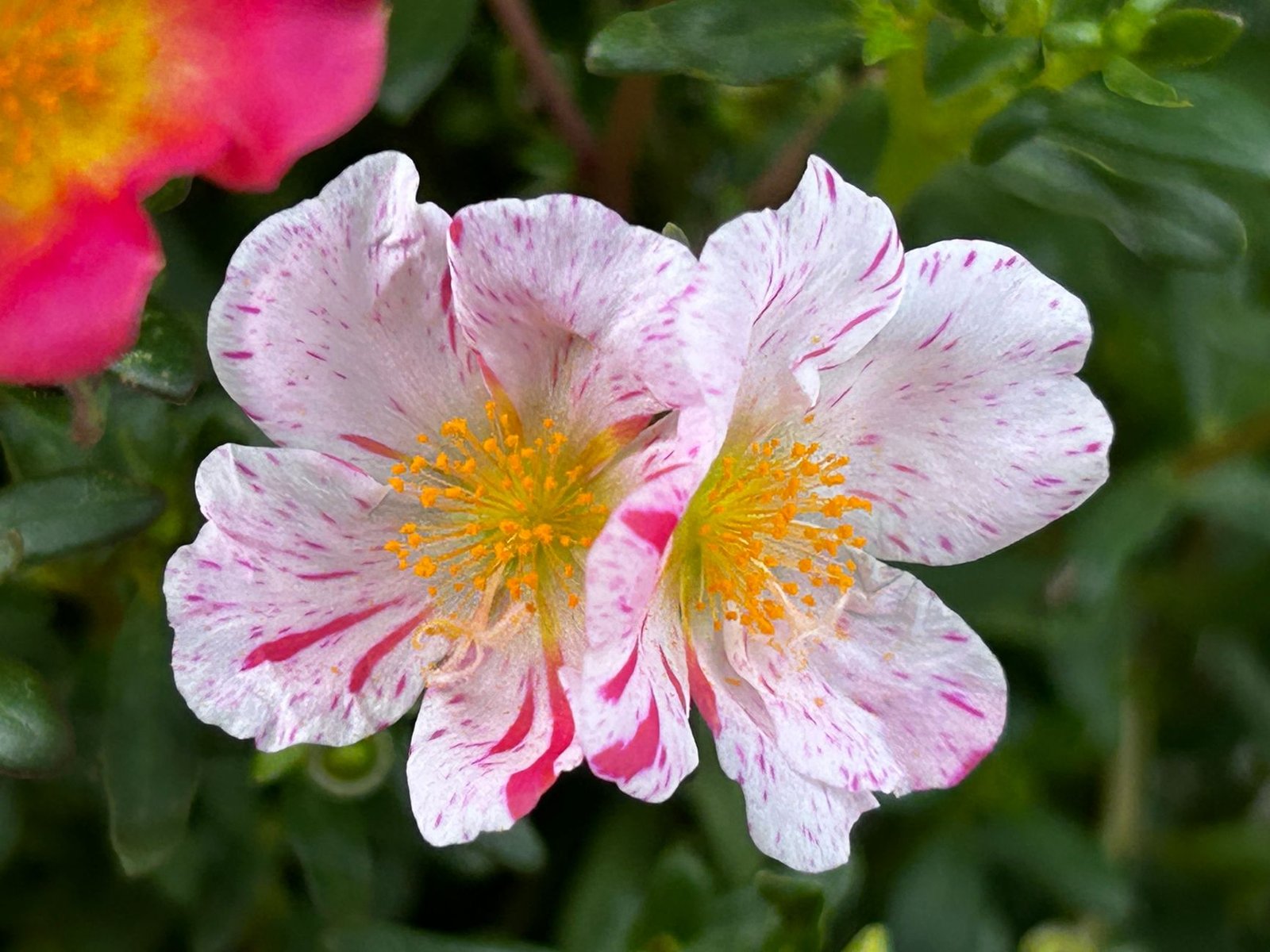
Creating a vibrant garden often seems to demand significant time and effort, a challenge for many contemporary homeowners. However, for 2026, a selection of stunning flowering plants offers an ideal solution, requiring minimal care while delivering spectacular botanical displays. This article highlights seven exceptional low-maintenance flowering plants perfect for busy gardeners seeking lush landscapes without extensive time commitments, integrating seamlessly with modern home aesthetics and sustainable practices.
The Appeal of Low-Maintenance Gardening in 2026
In an era where personal time is a premium, the desire for beautiful yet manageable outdoor spaces has surged. Landscape design in 2026 prioritizes both aesthetic appeal and practical sustainability, moving away from high-input gardening models. Homeowners are increasingly seeking solutions that provide enduring beauty with reduced demands on watering, pruning, and pest management.
Modern Trends in Landscape Design
Current landscape trends emphasize ecological integration, native plant selections, and water-wise gardening. There is a strong focus on plants that not only thrive with minimal intervention but also support local ecosystems by attracting pollinators and beneficial insects. The adoption of smart garden technology, such as automated irrigation systems and soil moisture sensors, further empowers residents to maintain pristine gardens with minimal manual oversight, making low-maintenance choices more appealing than ever.
Seven Stunning Low-Maintenance Flowering Plants
The following plants have been selected for their beauty, resilience, and adaptability, ensuring a thriving garden with minimal effort in 2026.
1. Coneflower (Echinacea)
Coneflowers are renowned for their robust nature and distinctive daisy-like blooms, which come in shades of purple, pink, white, and yellow. These perennials are incredibly drought-tolerant once established and thrive in full sun, making them an excellent choice for xeriscaping or areas prone to dry spells. Modern cultivars for 2026 boast enhanced disease resistance and a longer blooming period, from summer into fall. They are also vital for supporting local biodiversity, serving as a significant nectar source for bees and butterflies.
2. Lavender (Lavandula)
Prized for its fragrant flowers and silvery-green foliage, lavender is a classic choice for low-maintenance landscapes. This Mediterranean native flourishes in full sun and well-drained soil, exhibiting remarkable drought tolerance. Beyond its aesthetic and aromatic qualities, lavender is naturally deer and rabbit resistant, reducing the need for protective measures. Newer varieties developed for 2026 offer increased cold hardiness and more compact growth habits, making them suitable for a wider range of climates and container gardening.
3. Sedum (Stonecrop)
Sedums, often referred to as stonecrop, are succulents known for their incredible hardiness and adaptability. Available in various forms, from groundcovers to upright varieties, they offer textural interest with fleshy leaves and clusters of star-shaped flowers that appear in late summer and fall. Sedums are virtually indestructible, requiring minimal water and thriving in poor soil conditions and full sun. Their resilience makes them a top choice for rooftop gardens, green walls, and rocky terrains, aligning with 2026’s focus on resilient urban landscaping solutions.
4. Daylily (Hemerocallis)
Daylilies are a gardener’s delight due to their vigorous growth, adaptability to a wide range of soil conditions, and spectacular, often re-blooming flowers. Each bloom lasts only a day, but the continuous succession of new flowers ensures a prolonged display from late spring through fall. Modern hybridizations for 2026 have produced an astonishing array of colors, forms, and sizes, along with improved disease and pest resistance, making them an almost effortless addition to any garden border or mass planting.
5. Peony (Paeonia)
Peonies are cherished for their magnificent, often fragrant blooms and exceptional longevity. Once established, these long-lived perennials require virtually no maintenance beyond occasional deadheading. They prefer full sun to partial shade and well-drained soil, returning year after year with breathtaking flowers that herald the arrival of late spring. The minimal intervention required by peonies makes them a superb choice for a multi-generational garden, offering a sustainable planting option that enriches a property for decades.
6. Hardy Geranium (Cranesbill)
Hardy geraniums are versatile workhorses in the low-maintenance garden. These perennial groundcovers offer a profusion of delicate flowers in shades of pink, purple, blue, and white, alongside attractive foliage that often provides seasonal interest. They are highly adaptable to various light conditions and soil types, spreading to suppress weeds and reduce moisture evaporation. Their long blooming period, extending from spring into fall, and general pest resistance make them an ideal choice for filling borders and naturalizing under trees, supporting the 2026 trend for biodiverse groundcovers.
7. Salvia
Salvia, or ornamental sage, encompasses a vast group of plants known for their vibrant, spiky flower stalks and fragrant foliage. Many varieties are incredibly drought-tolerant and heat-loving, flourishing in full sun and well-drained soil. Salvias are excellent for attracting hummingbirds and butterflies, contributing to a lively garden ecosystem. The continuous development of new Salvia cultivars for 2026 offers expanded color palettes and improved performance in various climates, providing consistent color with minimal watering and feeding.
Optimizing Garden Care with 2026 Innovations
The integration of technology and sustainable practices further enhances the appeal of low-maintenance gardening for busy homeowners in 2026.
Smart Garden Technology Integration
Advances in smart home technology have extended into the garden. Automated irrigation systems, often controllable via smartphone applications, utilize soil moisture sensors and hyper-local weather data to deliver precise watering, eliminating waste and ensuring plants receive optimal hydration. Robotic mowers and AI-powered plant diagnostic tools are becoming more accessible, further reducing manual labor and allowing residents to enjoy their outdoor spaces without constant upkeep.
Sustainable Soil Management
For 2026, an emphasis on building healthy soil is paramount. Utilizing organic amendments, compost, and natural mulches significantly improves soil structure and water retention, reducing the need for frequent fertilization and watering. This approach not only benefits the plants directly but also supports a thriving microbial ecosystem in the soil, which in turn enhances plant resilience against pests and diseases. Selecting plants suited to existing soil conditions minimizes the need for extensive soil amendments.
Creating a Vibrant, Effortless Landscape
Designing an outdoor space that combines stunning aesthetics with minimal upkeep is a cornerstone of modern domestic comfort. By carefully selecting plants known for their resilience and low demands, residents can cultivate gardens that remain beautiful and vibrant throughout the seasons. The incorporation of native varieties further boosts sustainability, requiring less water and fewer external inputs, thereby reducing the environmental footprint of the home landscape.
Embracing these seven low-maintenance flowering plants, alongside intelligent design principles and technological advancements of 2026, allows homeowners to achieve the coveted balance of natural beauty and effortless enjoyment. A thriving, beautiful garden is entirely within reach, even for the busiest of schedules, proving that domestic splendor does not necessitate constant horticultural labor.