
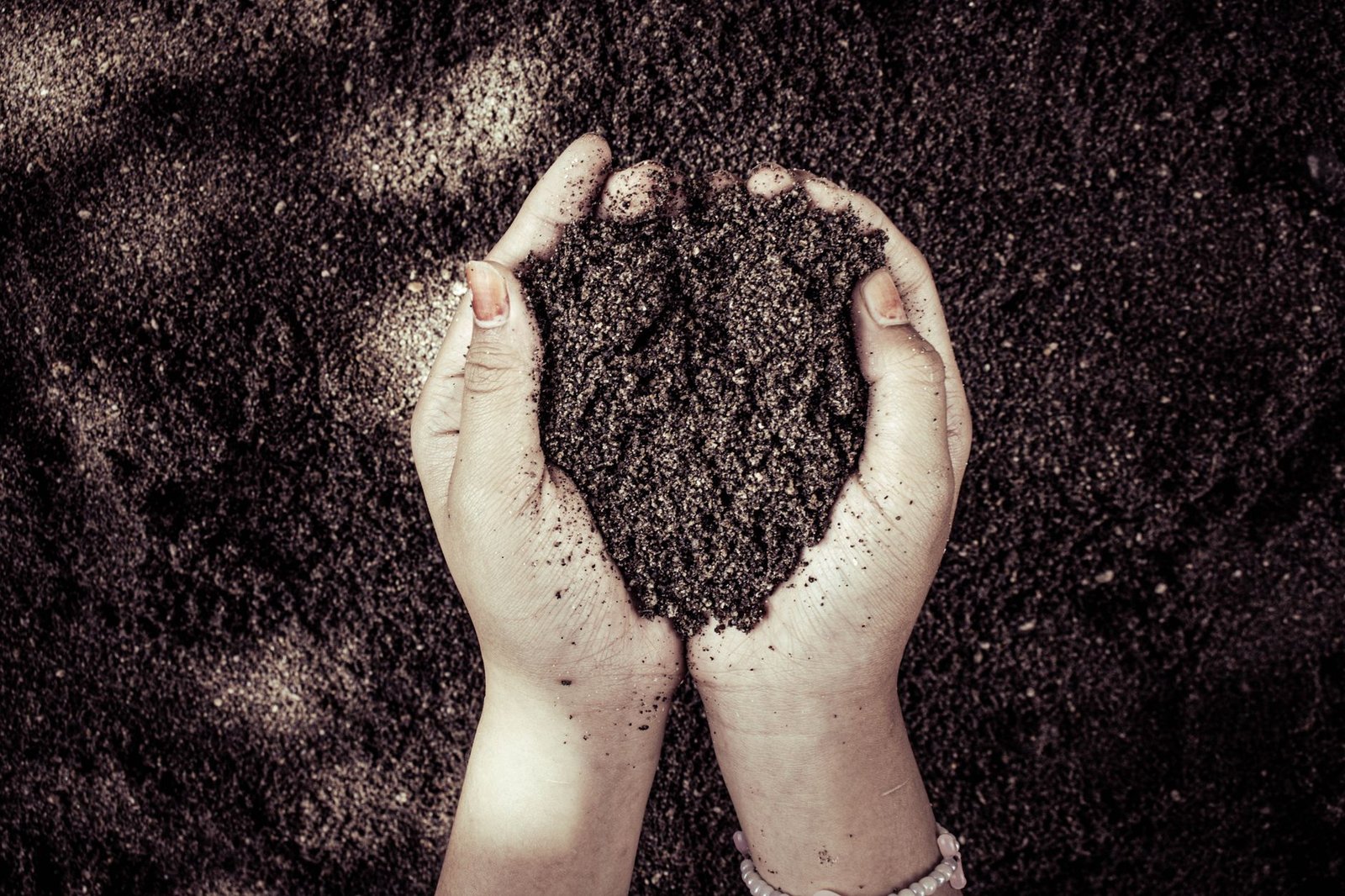
Clay soil can be a formidable challenge for even the most enthusiastic gardener, leading to poor drainage, compacted roots, and stunted growth. However, achieving a vibrant and productive garden in 2026 is entirely possible with targeted, easy amendments that transform heavy soil into a fertile haven. This article outlines practical, step-by-step methods and organic amendments designed to improve dense clay soil, ensuring healthier plant growth and a more bountiful harvest for the resident in the upcoming gardening season.
Understanding Clay Soil: The 2026 Perspective
Before implementing solutions, it is crucial to understand the inherent characteristics of clay soil. Comprising extremely fine particles, clay soil possesses a unique structure that, while challenging, also holds significant potential. In 2026, with a heightened focus on ecological resilience and sustainable practices, appreciating soil’s natural properties is more vital than ever.
The Clay Conundrum
The primary difficulties associated with clay soil stem from its particle size and arrangement. Fine clay particles pack together tightly, leaving minimal pore space. This results in poor aeration, restricting oxygen supply to plant roots and beneficial microorganisms. It also leads to slow drainage, causing waterlogging after rainfall and potentially fostering root rot. When dry, clay soil can become rock-hard, making cultivation exceedingly difficult and forming a barrier to root penetration. The cycle of compaction and hardening is a persistent concern for gardeners working with this soil type.
The Unseen Advantage
Despite its challenges, clay soil possesses an exceptional capacity for nutrient retention. Its negatively charged particles readily attract and hold positively charged essential plant nutrients such as potassium, calcium, and magnesium, preventing them from leaching away. Once its physical structure is improved, clay soil can become one of the most fertile and nutrient-rich growing mediums available, offering a strong foundation for robust plant life.
Essential Organic Amendments for 2026 Clay Soil Transformation
The most effective and sustainable approach to improving clay soil involves incorporating organic matter. These amendments not only break up compaction but also enrich the soil with nutrients and foster a thriving microbial ecosystem. Focusing on organic solutions aligns with modern ecological gardening principles for 2026.
Compost: The Gold Standard
High-quality compost is arguably the most beneficial amendment for clay soil. It acts as a structural conditioner, creating aggregates that improve aeration and drainage while simultaneously enhancing water retention during dry spells. Compost also introduces a diverse population of microorganisms that further break down organic matter and make nutrients available to plants.
- Application: Work a 2-4 inch layer of well-rotted compost into the top 6-12 inches of clay soil. For established beds, apply a 1-2 inch layer annually as a top dressing. Consistent application over several seasons yields cumulative benefits.
Aged Manure: Nutrient-Rich Booster
Aged, well-rotted animal manure (from cows, horses, chickens) is an excellent source of organic matter and essential plant nutrients. Its coarse texture helps to separate clay particles, improving soil structure. It also feeds the soil food web, accelerating the decomposition process.
- Application: Similar to compost, apply a 1-3 inch layer of aged manure and incorporate it into the topsoil. Crucially, ensure manure is well-aged (6 months to a year) to prevent burning plants with excess nitrogen and to eliminate potential pathogens or weed seeds.
Leaf Mold: Nature’s Humus Builder
Leaf mold is decomposed leaves, a wonderfully light and fibrous material. It significantly improves soil structure, enhances water retention, and provides a slow-release source of nutrients. It is particularly effective at increasing the fungal component of the soil microbiome, which is beneficial for many plants.
- Application: Apply a 1-3 inch layer directly to the soil surface or gently incorporate it. Leaf mold is also easy for the resident to produce at home, simply by composting leaves separately.
Biochar: A Modern Porosity Enhancer
A significant trend for 2026 in soil improvement is the increased adoption of biochar. This charcoal-like substance, produced by pyrolysis of biomass, creates highly porous structures within the soil. Biochar greatly enhances aeration, improves drainage, and provides an ideal habitat for beneficial microbes. Its stability means benefits can last for decades, making it a sustainable long-term solution.
- Application: Mix biochar (preferably pre-charged with nutrients or compost) into the top 6-8 inches of soil at a rate of 5-10% by volume. Even smaller annual applications can contribute significantly over time.
Cover Crops: Living Soil Conditioners
Planting cover crops, also known as green manures, is an active way to amend clay soil. Crops like clover, annual rye, vetch, or buckwheat develop extensive root systems that physically break up compacted clay. When tilled into the soil (or left to decompose in a no-dig system) before they set seed, they add a substantial amount of organic matter, improving structure and nutrient content.
- Application: Sow cover crops in off-seasons (e.g., autumn for winter cover) or in garden areas resting for a season. Incorporate them into the soil when they are young and succulent, before they flower, to maximize organic matter and nutrient release.
Advanced Strategies and Modern Innovations for Clay Soil
Beyond traditional amendments, 2026 offers innovative approaches and refined techniques for managing stubborn clay soil.
The No-Dig Revolution
The no-dig gardening method is gaining immense traction for its benefits to soil structure, particularly in clay soils. By avoiding traditional tilling, the soil’s natural layers and microbial networks remain undisturbed. Instead, layers of organic matter (compost, manure, leaf mold) are added to the surface, allowing earthworms and other soil organisms to naturally incorporate them, gradually improving the clay below.
Raised Beds and Smart Containers
For areas with exceptionally heavy or problematic clay, building raised garden beds provides an immediate solution. These allow the homeowner to fill the bed with an ideal soil mix, bypassing the underlying clay entirely. Similarly, modern self-watering containers and smart fabric pots offer excellent drainage and aeration, providing a controlled environment for individual plants.
Precision Soil Analysis
In 2026, advanced home soil testing kits are more accessible, offering detailed analysis of nutrient levels, pH, and even soil texture. Professional soil testing services can provide even more granular data, including recommendations tailored specifically for a resident’s unique clay composition. Understanding the precise pH and nutrient deficiencies allows for targeted amendments, maximizing efficiency and plant health.
Water Management Technologies
Smart irrigation systems and moisture sensors are essential tools for clay soil. Their ability to deliver water precisely when and where it’s needed prevents overwatering, which is particularly detrimental to clay soil due to its slow drainage. Controlled, deep watering encourages roots to grow downward, rather than staying near the surface.
Establishing a Sustainable Clay Soil Improvement Plan
Improving clay soil is a long-term commitment that yields increasingly rewarding results. Consistent effort transforms a challenging medium into a thriving ecosystem.
Consistent Organic Matter Application
The resident should aim to apply a fresh layer of organic matter annually, ideally in autumn or early spring. This continuous input ensures that the soil food web remains active and that the physical improvements to soil structure are maintained and enhanced over time. Consistency is key for lasting transformation.
Strategic Mulching
Applying a thick layer of organic mulch (such as wood chips, straw, or shredded leaves) around plants serves multiple purposes. It conserves soil moisture, regulates soil temperature, suppresses weeds, and, as it slowly decomposes, continually adds organic matter to the topsoil. Mulching also protects the clay surface from direct impact of rain, which can lead to further compaction.
Mindful Plant Selection
While soil improvement is underway, selecting plants that are naturally more tolerant of clay conditions can ensure early gardening success. Species with fibrous root systems or deep taproots can also contribute to breaking up the soil structure over time. Researching clay-tolerant native plants or hardy cultivars is a smart strategy for any homeowner.
Preventing Compaction
Once the clay soil has begun to improve, protecting its new, open structure is paramount. The resident should avoid walking on wet soil, establish designated pathways, and consider raised beds or permanent planting areas to minimize compaction. Any heavy machinery or frequent foot traffic can quickly undo years of diligent soil improvement.
By consistently implementing these organic amendments and modern strategies, the resident can effectively transform challenging clay soil. The year 2026 offers ample opportunity to cultivate a garden that not only thrives but also becomes a testament to sustainable and informed soil stewardship, providing beauty and bounty for years to come.