
The Art of Layered Perennial Design for Year-Round Vibrancy
Achieving a landscape that offers continuous visual interest throughout the calendar year is a hallmark of sophisticated garden design. Perennial flower configurations, when meticulously planned, provide a dynamic and evolving tableau of color, texture, and form. Unlike annuals, perennials return year after year, establishing a robust and often lower-maintenance foundation for the residential garden. This article explores strategic botanical selections and seasonal growth patterns essential for perpetual bloom rotations, incorporating leading industry trends and modern material developments relevant for 2026.
Site Analysis and Ecological Understanding
The foundation of any successful perennial landscape begins with a thorough understanding of the site. Observing sunlight patterns across different seasons, analyzing soil composition and drainage, and accurately identifying the local hardiness zone are critical initial steps. Microclimates within the property, influenced by structures, slopes, or existing mature plantings, also dictate plant suitability. A comprehensive site analysis ensures that selected perennials thrive in their given environment, minimizing stress and maximizing their bloom potential. The resident should assess average rainfall, prevailing winds, and potential for pest pressures to inform plant choices that are inherently resilient.
Structuring for Continuous Interest
Beyond individual plant selection, the art of perennial design lies in layering. This involves arranging plants by height, texture, and bloom time to create visual depth and ensure that as one plant fades, another takes center stage. A well-designed perennial bed incorporates a variety of forms: upright, mounding, spreading, and airy. Strategic placement also considers the aesthetic value of foliage and seed heads, which often provide significant visual appeal during dormant periods. Grouping plants with similar cultural requirements simplifies maintenance and creates impactful displays, guiding the observer’s eye through the landscape.
Botanical Cadence: Orchestrating Seasonal Blooms
The secret to year-round vibrancy is a carefully curated selection of perennials, each playing its role in a seasonal ballet of blooms and foliage.
Spring’s Gentle Awakening
As winter’s chill recedes, early-spring perennials emerge, signaling renewal. Hellebores (Helleborus orientalis), often referred to as Lenten Roses, display their delicate, nodding flowers from late winter into early spring, offering hues of white, pink, purple, and green. Their evergreen foliage provides winter interest. Bleeding Hearts (Dicentra spectabilis) add charming, heart-shaped blossoms, thriving in shaded or partially shaded areas. Epimediums (Epimedium spp.), also known as Barrenwort, are drought-tolerant once established, providing delicate flowers and attractive foliage that often boasts a bronze tint in cooler temperatures. Early blooming Phlox subulata creates carpets of color, excellent for rock gardens or cascading over walls. These plants are chosen for their resilience and ability to awaken the garden after dormancy.
Summer’s Flourishing Tapestry
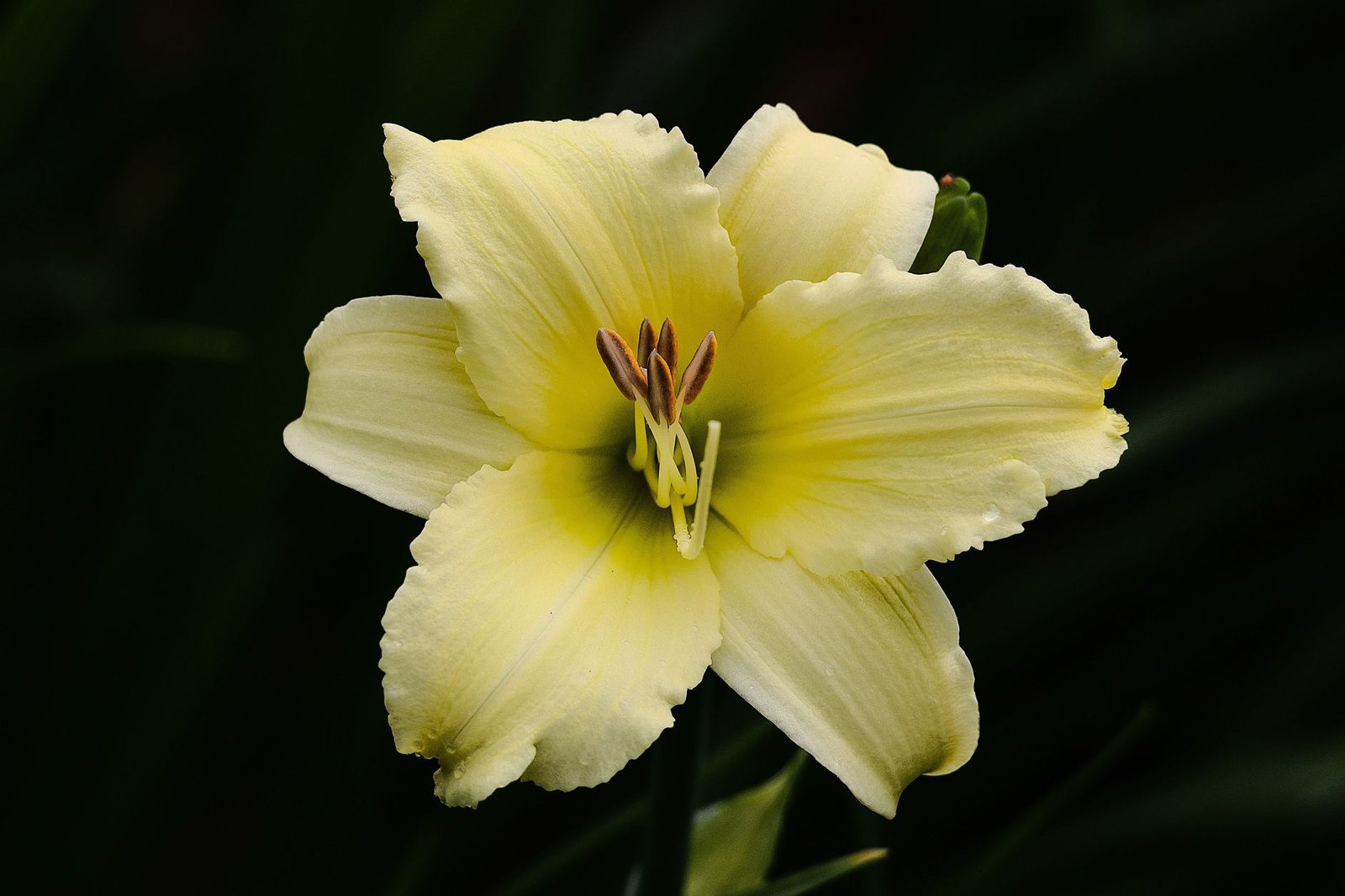
Summer brings an explosion of color and life. Coneflowers (Echinacea purpurea) are iconic, attracting pollinators with their daisy-like blooms in shades of purple, pink, white, and yellow. Salvia (Salvia nemorosa) varieties offer spikes of blue, purple, or pink flowers over an extended period, especially with regular deadheading. Lavender (Lavandula angustifolia) contributes both visual beauty and a delightful fragrance. Daylilies (Hemerocallis spp.) are remarkably diverse, with countless cultivars offering a spectrum of colors and reblooming capabilities. Coreopsis (Coreopsis verticillata) produces masses of small, star-like yellow flowers, while Rudbeckia (Rudbeckia hirta), or Black-Eyed Susans, provides cheerful golden-yellow blooms. These selections are chosen for their heat tolerance and abundant flowering potential, often extending well into late summer.
Autumn’s Rich Palette
As days shorten, certain perennials shine, extending the garden’s allure. Asters (Symphyotrichum spp.) burst forth with purple, pink, or white daisy-like flowers, providing crucial late-season nectar for pollinators. Sedum ‘Autumn Joy’ (Hylotelephium spectabile) transforms from green buds to rosy-pink flowers that deepen to coppery-red, holding structural interest even after blooming. Japanese Anemones (Anemone hupehensis) float elegant pink or white blooms on tall stems. Toad Lilies (Tricyrtis hirta) offer unique, orchid-like flowers in shaded autumn gardens. Ornamental grasses such as Miscanthus or Panicum provide texture and movement, their feathery plumes catching the low autumn sun. These selections ensure the landscape maintains a vibrant presence as other plants prepare for dormancy.
Winter’s Structural Elegance
Even in winter, a well-designed perennial garden offers visual interest. Heuchera (Heuchera spp.), or Coral Bells, maintain colorful, often evergreen foliage in shades of purple, bronze, lime green, and variegated patterns. Bergenia (Bergenia cordifolia) provides large, leathery evergreen leaves that can turn shades of red or bronze in cold weather. Late-blooming Hellebores, mentioned previously, often continue their display. Dried seed heads of perennials like Echinacea, Rudbeckia, and Sedum provide architectural forms that stand tall against snow, offering shelter and food for wintering birds. Strategic placement of evergreen shrubs and conifers within the broader landscape complements these perennial elements, providing year-round structure and a verdant backdrop.
2026 Innovations: Enhancing Garden Longevity and Luster
The landscape industry continues to evolve, with 2026 seeing significant advancements in plant genetics, smart technology, and sustainable materials that enhance perennial garden performance and reduce maintenance.
Advanced Horticultural Genetics
Breeding programs are continually introducing new perennial cultivars with enhanced traits. The focus for 2026 includes increased disease resistance, superior drought tolerance requiring less supplemental irrigation, and extended bloom periods. Many new varieties are also sterile, preventing unintended spread while offering their aesthetic benefits. The resident can explore native plant adaptations that are increasingly bred for garden performance, offering ecological benefits and reduced resource input. These advancements mean more resilient gardens that can better withstand environmental stresses, a crucial consideration for a changing climate.
Smart Landscape Technology
Smart irrigation systems are becoming more sophisticated, incorporating AI-driven analysis of local weather patterns, microclimate data, and precise soil moisture sensors to deliver water only when and where it is needed. This precision minimizes waste and optimizes plant health. Remote monitoring capabilities allow the homeowner to manage irrigation schedules and receive alerts, ensuring optimal conditions for perennials even when away. Advancements in low-voltage, energy-efficient LED lighting systems are also enhancing nighttime garden aesthetics, allowing for subtle highlighting of perennial textures and forms, transforming the garden’s evening presence.
Sustainable Material Integration
The demand for eco-friendly materials continues to grow. For 2026, permeable hardscaping options like resin-bound aggregates and recycled content pavers are prevalent, helping manage stormwater runoff and replenish groundwater. Biodegradable mulches, derived from organic byproducts, improve soil health and moisture retention while naturally breaking down over time. High-performance composite materials, often made from recycled plastics and wood fibers, are being utilized for durable planters, edging, and garden furniture, offering superior weather resistance and longevity compared to traditional materials.
Resilient Garden Infrastructure
Modern material science is yielding planters and containers crafted from weather-resistant composites and weathering steel (Corten), offering both durability and a contemporary aesthetic. These materials are designed to withstand extreme temperatures, protecting root systems in colder climates. Integrated root protection systems, particularly for larger specimen perennials or trees within planters, ensure long-term health. The overall trend emphasizes longevity, minimal environmental impact, and seamless integration of design elements that contribute to the perennial garden’s enduring beauty and sustainability.
By thoughtfully combining a diverse palette of perennials with an understanding of their seasonal rhythm and integrating modern horticultural and material innovations, the homeowner can cultivate a landscape that delivers continuous beauty and ecological benefit. The enduring appeal of a year-round vibrant garden is a testament to strategic design and a connection with nature’s perpetual cycle.