
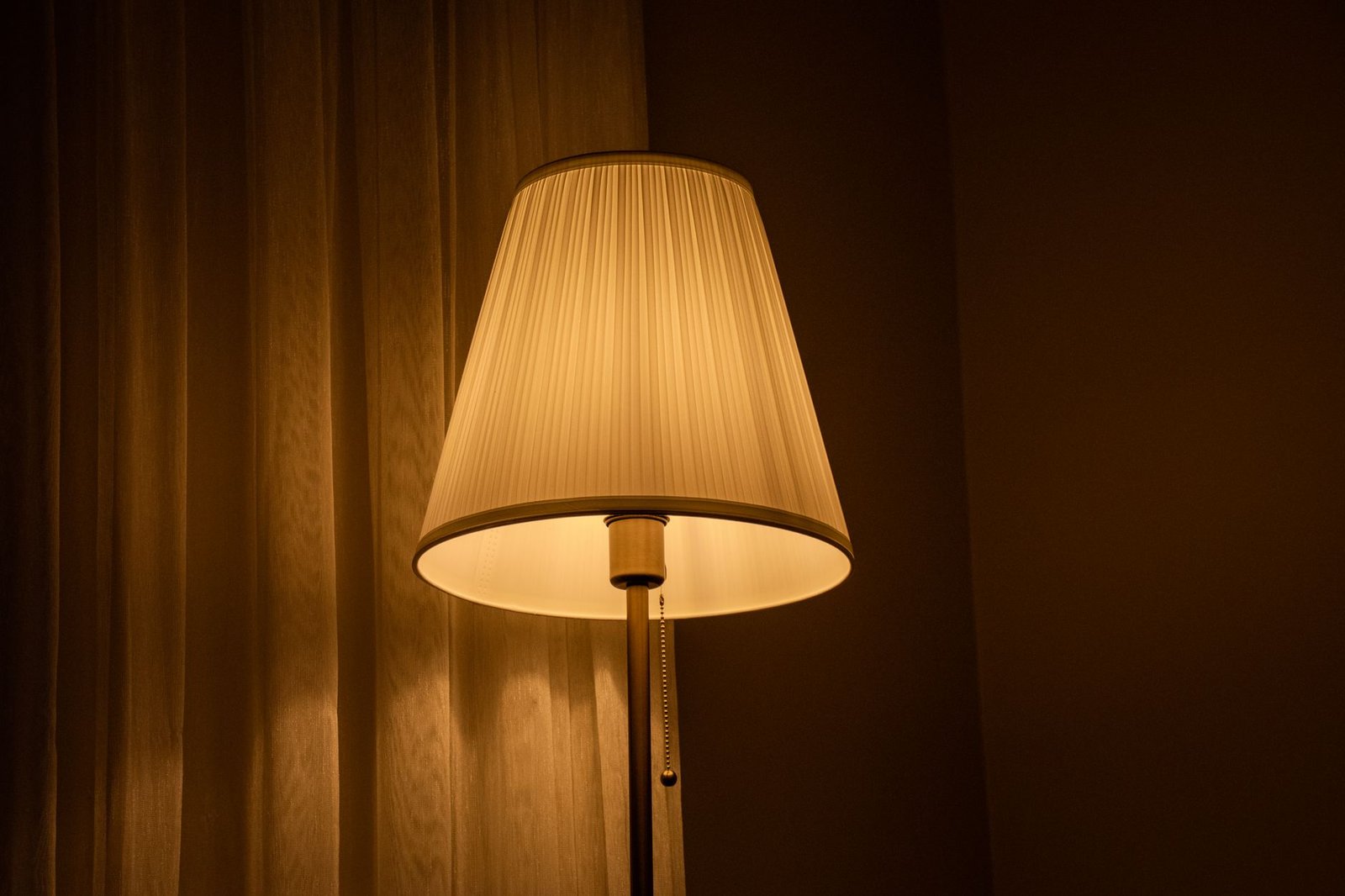
For creating an environment conducive to relaxation in 2026, the optimal lighting color temperature typically falls within the warm white to ultra-warm white spectrum, specifically ranging from 2200K to 2700K. This particular Kelvin range effectively mimics the soothing glow of candlelight or the calming hues of a sunset, inherently signaling to the body that it is time to unwind and fostering a profound sense of domestic comfort. Informed choices in lighting are paramount for enhancing well-being and transforming living spaces into true sanctuaries.
Understanding Light Color Temperature (Kelvin Scale)
What is the Kelvin Scale?
Light color temperature is measured using the Kelvin (K) scale, a fundamental concept for any homeowner seeking to optimize their living environment. This scale quantifies the perceived ‘warmth’ or ‘coolness’ of light emitted by a source. On this scale, lower Kelvin values (e.g., 2000K-3000K) correspond to warmer light, characterized by yellow, orange, or reddish tones, reminiscent of a traditional incandescent bulb or a fire. Conversely, higher Kelvin values (e.g., 4000K-6500K) indicate cooler light, which appears whiter or even blue, akin to daylight or an overcast sky. Understanding this spectrum is the first step in curating specific atmospheres within the home.
The Biological Impact of Light
The human body’s intricate circadian rhythm, the internal clock regulating sleep-wake cycles, is profoundly influenced by light exposure. Specific light color temperatures can either stimulate alertness or promote relaxation by affecting the production of melatonin, a hormone crucial for sleep. Exposure to cooler, bluer light (higher Kelvin) during evening hours can suppress melatonin release, delaying sleep onset and impacting sleep quality. Conversely, exposure to warmer, less blue light (lower Kelvin) signals to the body that the day is ending, encouraging melatonin production and facilitating a natural transition to rest. Residential designers in 2026 are increasingly leveraging this biological understanding to craft truly restorative living spaces.
The Optimal Kelvin Range for Relaxation in 2026
As domestic comfort evolves, the preference for specific light temperatures to induce relaxation has become more defined, with 2026 trends emphasizing deeper warmth.
Warm White (2700K-3000K)
Historically a popular choice, warm white lighting, typically between 2700K and 3000K, offers a soft, inviting, and traditionally comfortable ambiance. This range is excellent for general living areas, dining rooms, and bedrooms where a cozy yet functional light is desired. It provides a welcoming glow that prevents a room from feeling stark or overly bright. For many, this has been the benchmark for residential comfort, creating spaces that feel lived-in and serene.
Ultra-Warm White (2200K-2700K) – The 2026 Preference
The emerging preference for profound relaxation in 2026 leans heavily towards the ultra-warm white spectrum, specifically from 2200K to 2700K. This range produces a distinctly amber, deeply comforting light that closely emulates the glow of a fireplace, candlelight, or the golden hour of sunset. It is exceptionally effective at promoting a sense of ‘hygge’ – a Danish concept of coziness and comfortable conviviality – within a home. This lower Kelvin range actively signals to the brain that it’s time to slow down, encouraging melatonin production and preparing the body for rest. Modern smart lighting systems increasingly offer options specifically tailored to this ultra-warm segment, often integrated with biophilic design principles that mimic natural light cycles.
Avoiding Cooler Temperatures for Relaxation
While cooler light temperatures (above 3000K, such as cool white 4000K or daylight 5000K-6500K) are ideal for task-oriented areas like kitchens, home offices, or utility rooms where alertness and visual clarity are prioritized, they are counterproductive for relaxation. Exposure to these higher Kelvin lights in spaces intended for unwinding can stimulate cognitive function, suppress melatonin, and disrupt the body’s natural wind-down process. Therefore, for relaxation zones, the resident should consciously avoid lights in the 3500K-6500K range during evening hours.
2026 Trends & Technologies for Relaxing Illumination
The landscape of home lighting is rapidly advancing, with 2026 showcasing significant innovations aimed at enhancing domestic comfort and well-being.
Tunable White and Human-Centric Lighting (HCL)
A leading trend is the widespread adoption of tunable white technology and Human-Centric Lighting (HCL) systems. These advanced smart lighting solutions allow residents to dynamically adjust both the brightness (lumens) and the color temperature (Kelvin) of their lighting throughout the day. Utilizing intuitive apps, voice control, or pre-programmed schedules, the light can automatically transition from brighter, cooler tones in the morning to warmer, dimmer light in the evening, mirroring natural daylight cycles. Furthermore, AI-driven HCL systems are emerging that learn resident preferences and even adapt lighting based on real-time natural light conditions, ensuring optimal biological alignment for energy during the day and deep relaxation at night.
Material Innovations and Fixture Design
Material science is playing a crucial role in enhancing the quality and comfort of residential lighting. In 2026, there is an increased focus on diffusers made from sustainable, bio-based polymers, recycled glass, and finely textured metals. These materials are engineered not only to soften light output but also to subtly warm its perceived temperature, even with a technically neutral bulb. Fixture aesthetics are evolving, embracing sculptural forms and natural textures like reclaimed wood, artisanal ceramics, and woven rattan. These designs integrate seamlessly with biophilic interiors, making the fixture itself an element of comfort and natural beauty, further contributing to a relaxed ambiance. Integrated LED technology continues to advance, offering more seamless designs, greater efficiency, and superior light quality with excellent color rendering (CRI).
Biophilic Integration
Biophilic design, the concept of connecting residents with nature within built environments, is intrinsically linked with lighting trends in 2026. Lighting fixtures are increasingly being designed to mimic natural phenomena, such as simulating the gradual dimming and warming of a sunset or the gentle brightening of a sunrise. Beyond color temperature, the quality of light – its directionality, intensity, and variability – is being engineered to feel more organic. This extends to integrating lighting with natural materials and positioning it to highlight indoor plants, enhancing the soothing effect of natural elements within the home. The goal is to create spaces where the resident feels a profound connection to the outdoors, even while inside.
Practical Application for Homeowners
Implementing relaxing lighting strategies requires thoughtful consideration of individual spaces and preferences.
Room-by-Room Considerations
- Bedrooms: These are primary zones for relaxation. The resident should prioritize fixtures capable of emitting ultra-warm white light (2200K-2700K). Dimmers are essential for fine-tuning the intensity.
- Living Areas: Flexibility is key here. While a base of warm white (2700K-3000K) is recommended for general ambiance, incorporating tunable white smart bulbs allows the resident to shift to warmer tones for evening unwinding or entertaining.
- Reading Nooks: For reading, a light source that is warm (around 2700K) but with sufficient brightness to prevent eye strain is advisable. Directional task lighting with adjustable color temperature is ideal.
Layering Light for Optimal Ambiance
Effective lighting design relies on layering different types of light. This includes ambient lighting (general illumination), accent lighting (highlighting features), and task lighting (for specific activities). For relaxation, all layers should ideally be capable of warm color temperatures and, crucially, controlled by dimmers. Dimmers provide unparalleled flexibility, allowing the resident to adjust light intensity to precisely match the desired mood and activity. A well-designed system allows for dynamic adjustment from brighter, warmer light for social evenings to very dim, ultra-warm light for winding down.
A Step-by-Step Approach
- Assess Current Lighting: Evaluate existing bulbs and fixtures. Note their Kelvin temperatures and consider where changes would have the most impact.
- Experiment with Smart Bulbs: Begin by replacing key bulbs in relaxation zones with tunable white smart bulbs. This allows for hands-on experimentation with different color temperatures and intensities.
- Consider Professional Consultation: For comprehensive, whole-home Human-Centric Lighting integration, consulting a professional interior designer or lighting specialist can provide tailored solutions that optimize comfort and well-being throughout the entire residence.
In 2026, the pursuit of domestic comfort and well-being remains a top priority for homeowners. By understanding the profound impact of light color temperature, particularly the soothing qualities of the 2200K to 2700K ultra-warm white spectrum, the resident can intentionally cultivate environments that promote deep relaxation and restorative peace. With advancements in tunable white technologies, sustainable materials, and biophilic design, creating a harmoniously illuminated home has never been more accessible or effective.