
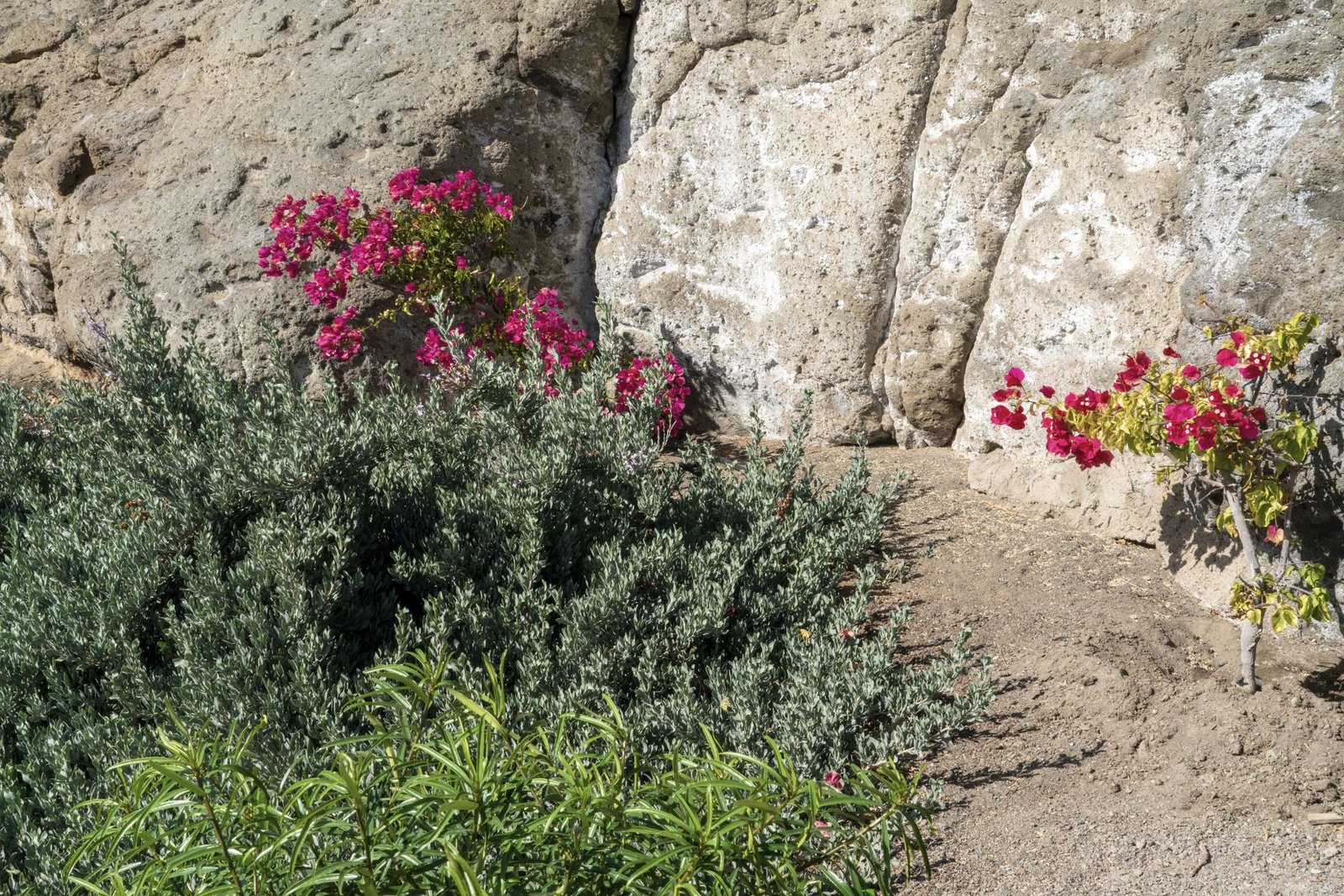
As concerns over water conservation escalate and sustainable landscaping practices become paramount in 2026, the demand for resilient and aesthetically pleasing garden solutions continues to grow. For homeowners seeking to establish natural privacy screens that thrive with minimal water input, several excellent drought-tolerant shrub varieties offer both beauty and functionality. These selections provide effective visual barriers while aligning with modern ecological principles, ensuring vibrant landscapes even in arid conditions.
The Imperative of Sustainable Privacy in 2026
The landscape of modern horticulture in 2026 places a significant emphasis on sustainability, driven by evolving climate patterns and a collective shift towards resource efficiency. Traditional water-intensive hedging options are increasingly being replaced by species that naturally adapt to drier conditions, requiring less irrigation once established. This trend is not merely environmental; it also offers practical benefits for the homeowner, including reduced maintenance, lower water bills, and enhanced property value through climate-resilient design.
Incorporating drought-tolerant shrubs into garden design contributes significantly to local ecosystems, supporting biodiversity and minimizing urban heat island effects. Modern landscape architects and designers are actively promoting these selections, often integrating them with advanced smart irrigation systems that optimize water delivery during the crucial establishment phase, then scaling back dramatically to rely on natural rainfall and the plants’ inherent resilience.
Key Considerations for Establishing Resilient Hedges
Site Analysis and Soil Preparation
Before planting, a thorough site analysis is essential. This includes understanding sunlight exposure, drainage patterns, and existing soil conditions. For optimal establishment of drought-tolerant shrubs, amending the soil with organic matter, such as compost or biochar, is highly recommended in 2026. Biochar, a modern development in soil amendments, improves water retention and nutrient availability while sequestering carbon, creating an ideal environment for resilient plant growth.
Proper Planting and Initial Watering
Correct planting depth and spacing are crucial for hedge density and plant health. While drought-tolerant, young shrubs require consistent watering during their initial establishment period, typically the first one to two years. This helps them develop a robust root system capable of seeking out water in deeper soil layers. After this critical phase, supplemental irrigation can be significantly reduced, often relying solely on natural precipitation.
Long-Term Maintenance and Pruning
Once established, these hedges demand minimal ongoing care. Regular pruning is necessary to maintain the desired shape and density, encouraging new growth and ensuring a uniform appearance. Strategic pruning also improves air circulation, which can mitigate pest and disease issues. The adoption of precision pruning tools and techniques, often informed by digital landscaping guides available in 2026, aids in efficient and effective hedge management.
Top 7 Drought-Tolerant Shrubs for 2026 Privacy Hedges
For homeowners aiming to cultivate robust, water-wise privacy screens, the following shrub varieties represent excellent choices for the 2026 gardening season:
-
Oleander (Nerium oleander)
Oleander is a classic choice for fast-growing, dense privacy hedges, valued for its vigorous growth and profuse, colorful blooms in shades of white, pink, and red. It thrives in full sun and various soil types, enduring extended dry periods once established. With mature heights often reaching 8 to 12 feet and spreads of 6 to 10 feet, it creates an effective, year-round screen. Important Note: All parts of the Oleander plant are highly toxic if ingested, requiring careful placement, especially in properties frequented by children or pets. Its resilience makes it a popular selection for challenging urban and coastal environments in 2026, often seen in large-scale public and commercial landscaping for its low-maintenance appeal.
-
Bottlebrush (Callistemon citrinus)
Recognized for its distinctive, brush-like red flowers, the Bottlebrush shrub offers a unique textural element to privacy hedges. This evergreen plant can grow to a height and width of 10 to 15 feet, forming a dense screen. It prefers full sun and well-drained soil, demonstrating excellent drought tolerance once mature. Beyond its visual appeal, Bottlebrush attracts pollinators, aligning with 2026 trends towards biodiverse and ecologically supportive landscapes. Its ability to tolerate a range of conditions, from coastal exposure to urban pollution, solidifies its position as a versatile hedging plant.
-
Texas Sage (Leucophyllum frutescens)
Texas Sage, also known as Cenizo, is a truly resilient native shrub celebrated for its silvery-grey foliage and striking purple-pink blooms that appear after rainfall. Growing to a moderate height and width of 5 to 8 feet, it forms a dense, informal hedge that provides consistent privacy. It demands full sun and excellent drainage, thriving in arid and semi-arid regions with minimal supplemental water. Its low-water needs and ornamental value make it an increasingly popular choice for xeriscaping and sustainable garden designs in 2026, offering a softer, more natural aesthetic.
-
Pittosporum (Pittosporum tobira)
Pittosporum tobira, often referred to as Japanese Mock Orange, is an evergreen shrub prized for its glossy, dark green leaves and fragrant, creamy-white flowers in spring. It can be pruned into a formal hedge or allowed to grow into a more natural privacy screen, reaching heights of 6 to 15 feet and similar spreads. Extremely adaptable to various soil types and tolerant of both sun and partial shade, it withstands drought once established and is resistant to salt spray, making it ideal for coastal properties. Its clean aesthetic and robust nature contribute to its continued popularity in contemporary landscape designs for 2026.
-
Coffeeberry (Frangula californica)
A California native, Coffeeberry is an excellent choice for naturalistic and ecologically focused privacy hedges. This evergreen shrub features small, glossy green leaves and produces inconspicuous flowers followed by berries that mature from red to black, providing food for birds. Growing 5 to 8 feet tall and wide, it forms a dense screen with a natural, unmanicured appeal. Coffeeberry is exceptionally drought-tolerant, thriving in a range of light conditions from full sun to partial shade and adaptable to various soil types. Its suitability for biodiverse and water-wise gardening positions it as a top contender for sustainable landscape projects in 2026.
-
Juniper (Juniperus scopulorum ‘Blue Arrow’ or similar upright varieties)
For narrow spaces or where a strong vertical privacy element is desired, upright Juniper varieties like ‘Blue Arrow’ are superb. These coniferous evergreens boast attractive blue-green foliage and maintain a slender, columnar form, typically reaching 15 to 20 feet tall but only 2 to 4 feet wide. Junipers are exceptionally drought-tolerant, thriving in full sun and well-drained soil, making them ideal for challenging, low-water garden schemes. Their year-round density and minimal footprint make them a sophisticated choice for modern privacy solutions in 2026, particularly in urban environments where space is at a premium.
-
Feijoa (Acca sellowiana)
Also known as Pineapple Guava, Feijoa is a versatile evergreen shrub valued for its attractive grey-green foliage, striking red and white flowers, and edible, tropical-flavored fruit. It can grow to a substantial size of 10 to 15 feet tall and wide, forming a dense and effective privacy hedge. Feijoa is highly drought-tolerant once established, preferring full sun and well-drained soil. Its multi-seasonal interest—beautiful blooms, unique foliage, and delicious fruit—makes it a popular choice for edible landscaping and functional privacy in 2026, blending ornamental appeal with practical yield.
Establishing and Maintaining Drought-Tolerant Hedges
Successful establishment of drought-tolerant hedges hinges on careful attention during the initial growth phase. While these plants are chosen for their low-water needs, consistent moisture is vital immediately after planting and throughout their first year to encourage deep root development. Mulching with organic materials such as wood chips or shredded bark helps retain soil moisture, suppress weeds, and regulate soil temperature, significantly reducing the need for supplemental watering.
Long-term maintenance generally involves minimal effort. Pruning is the primary ongoing task, performed to maintain the hedge’s desired shape, encourage bushiness, and remove any dead or diseased branches. For optimal water efficiency in 2026, smart irrigation controllers can be employed during the establishment period. These systems utilize local weather data and soil moisture sensors to deliver precise amounts of water, ensuring plants receive what they need without waste, before transitioning to a largely hands-off approach.
Conclusion
The selection of drought-tolerant shrubs for privacy hedges in 2026 represents a pragmatic and aesthetically rewarding approach to modern landscaping. By choosing resilient varieties, homeowners can achieve effective visual screening and contribute to water conservation efforts, creating beautiful, sustainable outdoor spaces. These plants not only provide essential privacy but also embody a commitment to ecological stewardship, proving that lush, private gardens are entirely achievable in a water-conscious era.