
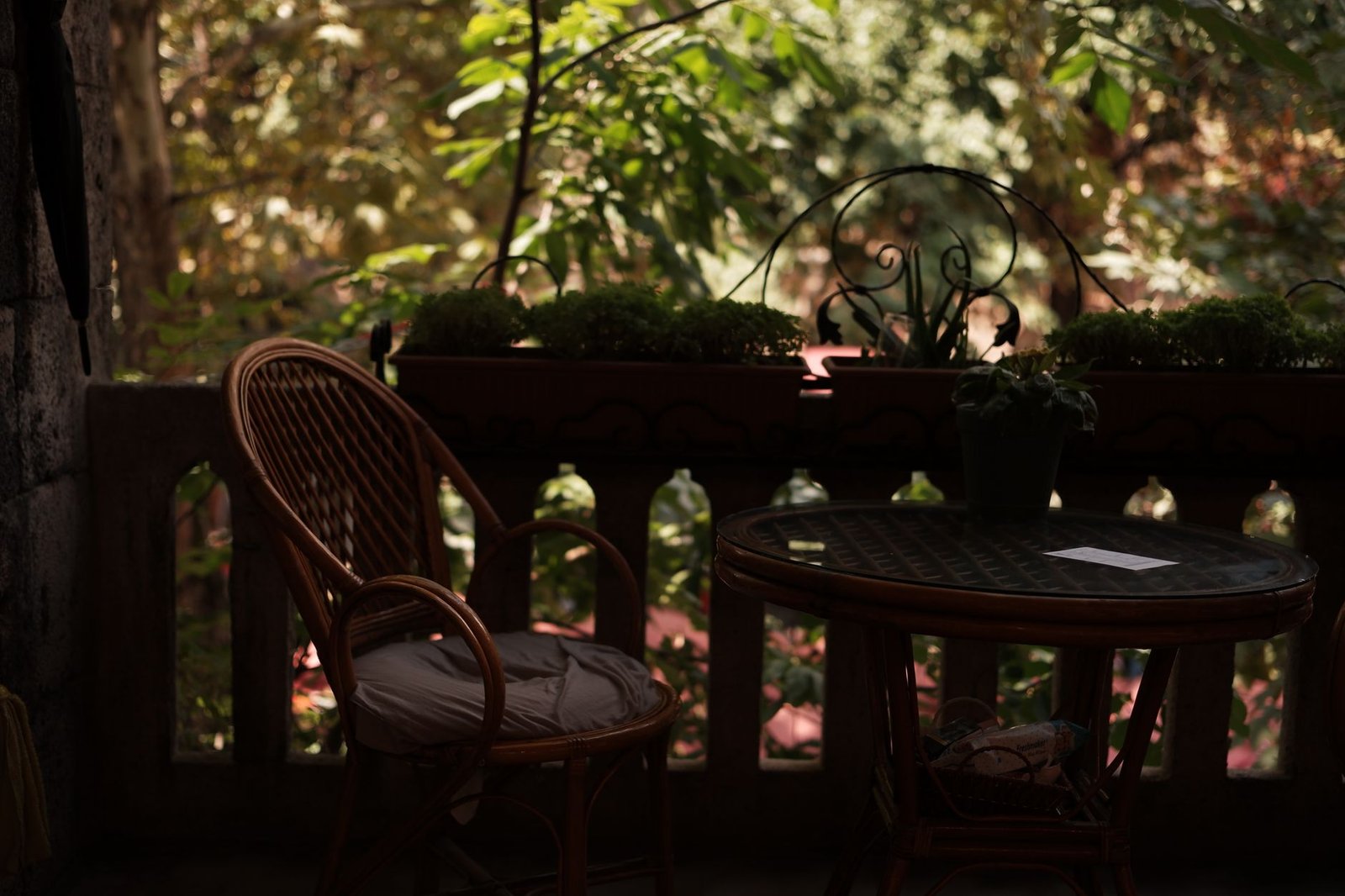
Urban living often presents spatial constraints, yet the desire for fresh, home-grown produce remains strong among residents. Transforming a compact balcony or patio into a productive edible garden is not only achievable but also increasingly popular, driven by a growing awareness of food origins and sustainable practices. This article will explore seven ideal edible plants perfectly suited for container cultivation in small outdoor spaces in 2026. These selections, coupled with modern gardening innovations, empower the homeowner to cultivate a vibrant, edible oasis, contributing to both culinary delight and environmental well-being.
The Urban Edible Garden in 2026
The landscape of urban gardening continues its dynamic evolution, with 2026 witnessing significant advancements that make hyper-local food production more accessible than ever. Innovations in material science and smart technology are pivotal, empowering residents to maximize their small outdoor footprints for bountiful harvests.
Trends Shaping Balcony Cultivation
Modern container gardening benefits from a confluence of industry trends. The proliferation of advanced self-watering planters, often integrated with smart sensors, has revolutionized plant care. These systems monitor soil moisture levels and automate irrigation, significantly reducing the maintenance burden for busy urban residents. Material developments include lightweight yet highly durable containers crafted from recycled polymers and composite materials, which offer superior insulation against temperature fluctuations compared to traditional terracotta or heavy concrete. This ensures root health and simplifies container mobility.
Substrate technology has also seen strides. Beyond standard potting mixes, 2026 sees widespread adoption of biochar-enriched substrates and sustainable coconut coir blends. These mediums offer enhanced water retention, aeration, and nutrient delivery, fostering robust plant growth in confined spaces. Furthermore, plant breeders have continued to focus on developing compact, high-yield varieties specifically engineered for container life, ensuring generous harvests from smaller plants. The burgeoning market for vertical gardening solutions, from modular wall planters to sophisticated tiered systems, provides innovative ways for the resident to extend their growing area upwards, transforming neglected vertical surfaces into productive gardens.
Top 7 Edible Plants for Compact Outdoor Spaces
For the urban gardener navigating the nuances of limited space, selecting the right plants is paramount. The following seven edible varieties consistently demonstrate exceptional performance in container environments, making them ideal candidates for balconies and patios in 2026.
1. Culinary Herbs (Basil, Mint, Rosemary)
Herbs are a cornerstone of any edible garden, offering continuous harvests and intense flavor in minimal space. Varieties like bush basil, spearmint, and prostrate rosemary thrive in containers. Basil benefits from consistent moisture and warm temperatures, while mint, known for its vigorous growth, is best confined to its own pot to prevent it from outcompeting other plants. Rosemary prefers well-drained soil and ample sunlight. Modern compact herb planters, often with dedicated sections and self-watering reservoirs, make cultivation effortless. Harvesting leaves regularly encourages bushier growth and prolongs productivity.
2. Dwarf Tomatoes
Tomato varieties specifically bred for compact growth, such as ‘Patio Princess’, ‘Tiny Tim’, or ‘Micro Tom’, are perfect for small balconies. These determinate types produce their fruit in a concentrated burst, requiring less staking than their larger counterparts. A minimum 5-gallon container (approximately 12-14 inches in diameter) is recommended for each plant, filled with a high-quality potting mix. Consistent watering, especially during fruiting, is crucial, and the integration of a self-watering system can significantly enhance success. Modern miniature trellises designed for container use provide essential support without dominating the space.
3. Bush Beans
Unlike their pole bean cousins, bush bean varieties grow compactly and do not require extensive vertical support, making them ideal for containers. Varieties like ‘Provider’ or ‘Contender’ produce abundant harvests. Bush beans prefer deep containers (at least 8-10 inches deep) to accommodate their root systems and support multiple plants. Planting in succession every few weeks ensures a continuous supply throughout the growing season. Regular harvesting of pods encourages the plant to produce more, maximizing the yield from a small footprint.
4. Radishes
Radishes are an excellent choice for impatient gardeners due to their rapid growth cycle, often ready for harvest in as little as three weeks. Their shallow root system means they thrive in wide, shallow containers or even window boxes. Consistent moisture is key to preventing radishes from becoming woody or overly pungent. Successive planting every week or two ensures a steady supply of these crisp, peppery roots. Look for varieties suited for container growth, which often mature quickly and maintain good flavor.
5. Lettuce and Salad Greens (Loose-Leaf Varieties)
Loose-leaf lettuce, spinach, and other salad greens are ideal for a cut-and-come-again harvest, providing fresh greens over an extended period. They tolerate partial shade, making them suitable for balconies with less direct sunlight. Wide, shallow planters or dedicated vertical garden pockets are perfect for these greens. Ensuring consistent moisture and protecting them from intense afternoon sun will prevent bolting (going to seed prematurely). Modern vertical systems are particularly effective for maximizing the yield of salad greens in minimal space.
6. Strawberries (Ever-bearing Varieties)
Ever-bearing strawberry varieties, such as ‘Seascape’ or ‘Tristar’, produce fruit throughout the growing season rather than in a single flush, making them a rewarding choice for containers. They can be grown beautifully in hanging baskets, tiered planters, or dedicated strawberry pots, which efficiently utilize vertical space. Strawberries require well-drained soil, consistent moisture, and ample sunlight for optimal fruit production. Protecting ripening berries from birds and slugs, perhaps with specialized netting, will ensure a more abundant harvest for the resident.
7. Compact Peppers (Bell or Chili)
Many varieties of bell and chili peppers are well-suited for container gardening, offering both decorative appeal and delicious produce. Look for compact or dwarf varieties like ‘Lunchbox’ peppers or ‘Patio Hot’ chilies. Peppers thrive in sturdy containers, ideally 3-5 gallons in size, with plenty of sunlight. They appreciate consistent watering and feeding, especially once fruits begin to set. Newer drought-tolerant compact varieties offer added resilience, making them easier to manage in varied urban climates.
Essential Tips for Balcony Edible Gardening Success
Beyond plant selection, several key practices contribute significantly to a thriving container garden on a small balcony or patio. Adopting these modern approaches ensures maximum productivity and plant health.
Optimizing Limited Space
- Container Selection: Always prioritize containers with adequate drainage holes to prevent root rot. In 2026, the market offers an array of stylish, lightweight, and often recycled polymer containers. Self-watering planters with integrated reservoirs significantly reduce watering frequency, a major advantage for busy individuals.
- Soil & Nutrients: Invest in a high-quality, well-draining potting mix, ideally one enhanced with compost or biochar for improved nutrient retention and microbial activity. Container plants deplete nutrients faster than in-ground gardens, so regular feeding with a slow-release granular fertilizer or diluted liquid feed is essential, tailored to the specific needs of the plants being cultivated.
- Light Assessment: Accurately assess the amount of direct sunlight the balcony receives throughout the day. Most edible plants require at least 6-8 hours of direct sun. For shaded areas, consider light-loving plants like salad greens or integrate compact, energy-efficient LED grow lights, many of which are now designed for discreet indoor/outdoor use and smart home integration. Reflective surfaces near plants can also amplify available light.
- Smart Watering Strategies: Consistent moisture is crucial for container plants. Beyond self-watering pots, consider smart irrigation systems that can be programmed or even controlled via smartphone, leveraging moisture sensors to deliver water precisely when needed. This prevents both over and under-watering.
- Pest Management: Regular inspection for pests is vital. Employ organic pest control methods such as neem oil sprays or introduce beneficial insects where feasible. Companion planting, such as marigolds near tomatoes, can also deter certain pests naturally.
- Vertical Gardening: To truly maximize limited space, embrace vertical gardening solutions. Wall-mounted planters, tiered shelving units, and arbors for climbing plants like miniature cucumbers or small gourds allow the homeowner to cultivate a surprising amount of produce without expanding their horizontal footprint.
Cultivating an edible garden on a small balcony or patio is a profoundly rewarding endeavor, offering the freshest produce directly at the resident’s doorstep. By thoughtfully selecting compact, high-yielding plant varieties and integrating the latest gardening technologies and materials available in 2026, the homeowner can transform even the most modest outdoor space into a vibrant, productive sanctuary. The joy of harvesting one’s own food, coupled with the aesthetic enhancement of green spaces, enriches urban living considerably, demonstrating that a bountiful garden is well within reach for every resident.