
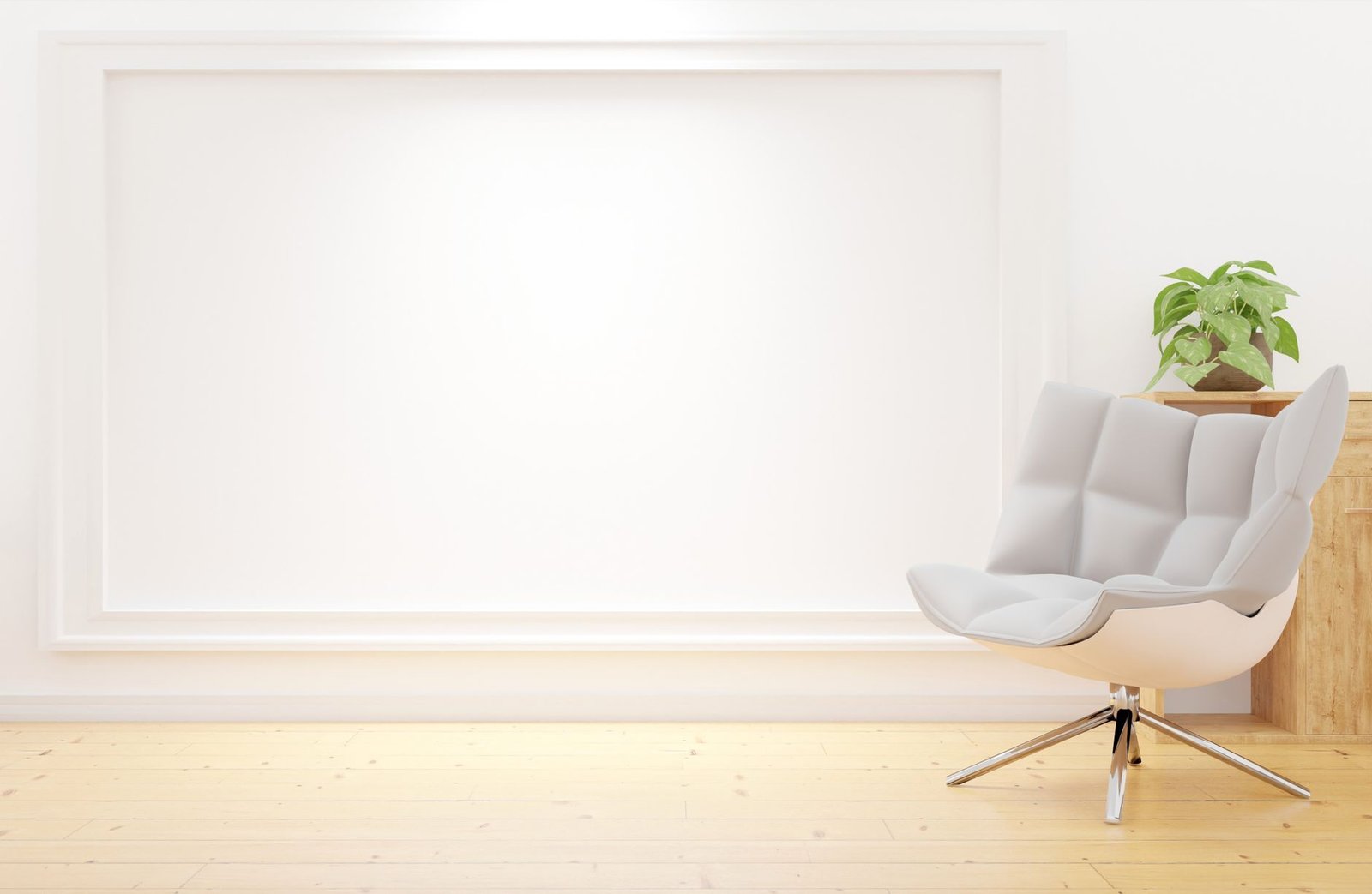
Minimalist vs. Maximalist Decor: Which Style Fits Your 2026 Home?
Choosing between minimalist and maximalist interior design styles for a 2026 home hinges significantly on an individual’s lifestyle, personal values, and aesthetic preferences. This article explores the core principles, distinct aesthetics, and practical implications of each approach, integrating contemporary trends and material advancements to guide the homeowner’s decision.
Understanding Minimalism: The Art of Less
Core Principles
Minimalism, at its heart, advocates for simplicity, functionality, and a decluttered environment. The philosophy centers on the idea that fewer, higher-quality possessions contribute to a more serene and focused living space. This style emphasizes intentionality, requiring the homeowner to carefully consider each item’s purpose and contribution to the overall harmony of a room.
- Functionality First: Every item serves a clear purpose.
- Clean Lines: Furniture and architectural elements feature sleek, uncluttered forms.
- Neutral Palette: A restrained color scheme, often relying on whites, grays, and earth tones, creates a sense of calm and spaciousness.
- Decluttering: A fundamental practice, ensuring visual quietude and mental clarity.
- Quality Over Quantity: Investment in durable, well-crafted pieces is paramount.
Aesthetics and 2026 Trends
In 2026, minimalist aesthetics continue to evolve, integrating sustainable materials and subtle technological advancements. The focus remains on creating tranquil, breathable spaces, but with an enhanced emphasis on tactile experiences and biophilic elements. Modern minimalist homes feature:
- Sustainable Materiality: Expect to see an increased use of recycled and upcycled materials, such as reclaimed wood, recycled glass, and innovative plant-based composites like mycelium panels for acoustic dampening or furniture. Biodegradable textiles, including organic cotton, linen, and hemp blends, are favored for their natural textures and reduced environmental footprint.
- Integrated Smart Technology: Rather than being overtly visible, smart home systems in 2026 minimalist designs are seamlessly integrated. Voice-activated controls for lighting, climate, and entertainment are standard, with devices hidden within walls or furniture, maintaining an uncluttered visual field.
- Biophilic Touches: While maintaining simplicity, natural elements are carefully incorporated. Large, architectural plants, natural light maximization, and organic shapes subtly soften the sharp lines, fostering a connection to nature without overwhelming the space.
- Adaptive Furniture: Multi-functional furniture that transforms to serve different needs (e.g., a coffee table that expands into a dining table, modular seating) is crucial for maximizing space efficiency without introducing visual clutter.
Practical Implications
For the resident, a minimalist home offers a peaceful sanctuary, conducive to concentration and relaxation. It typically requires less time for cleaning and maintenance due to fewer possessions. However, it demands a disciplined approach to acquiring new items and a commitment to regular decluttering. The initial investment in high-quality, durable pieces can be higher, but these items are designed for longevity, reducing future consumption.
Embracing Maximalism: More is More
Core Principles
Maximalism celebrates abundance, individuality, and storytelling through curated collections. Far from being random clutter, true maximalism is an artful layering of colors, patterns, textures, and objects that reflect the homeowner’s personality and experiences. It is a bold rejection of starkness, embracing a rich, sensory environment.
- Layering: A key technique, involving multiple patterns, textures, and collections.
- Personal Expression: Every item contributes to a unique narrative of the resident’s life and interests.
- Bold Color and Pattern: Fearless use of vibrant hues, eclectic prints, and intricate designs.
- Curated Collections: Displaying cherished objects, art, and memorabilia from travels or personal passions.
- Comfort and Opulence: Creating spaces that feel luxurious, inviting, and deeply personal.
Aesthetics and 2026 Trends
In 2026, maximalist interiors lean into hyper-personalization, leveraging technology to enhance visual richness and sensory experiences. The style continues to be vibrant and eclectic, but with an intelligent curation that prevents overwhelming visual noise.
- AI-Generated Textiles and Art: Customized patterns and digital art, often created with AI algorithms based on personal preferences, adorn walls, upholstery, and interactive displays. This allows for truly unique, dynamic environments that evolve with the resident’s mood or the time of day.
- Sensory Integration: Beyond sight, maximalist spaces in 2026 engage other senses. Integrated scent diffusers offer custom fragrances, while dynamic lighting systems adjust color temperatures and intensity to create specific atmospheres. Tactile experiences are enhanced with a mix of velvet, silk, boucle, and sustainable faux fur.
- Eclectic Global Influence: A continued embrace of global patterns, artisanal crafts, and vintage finds, but often sourced ethically or through sustainable channels. Upcycled antique furniture, given new life with bold upholstery or paint, sits alongside modern pieces.
- Bold Biophilia: Maximalist biophilia goes beyond simple plants. Think vertical gardens, dramatic floral arrangements, large-scale botanical wallpapers (perhaps augmented reality overlays), and an abundance of exotic plant varieties, all contributing to a vibrant, living ecosystem within the home.
- Mixed Metals and Materials: The combination of varied metals (recycled brass, oxidized copper, polished chrome) with rich woods, opulent stones, and textured glass creates visual depth and luxury.
Practical Implications
A maximalist home offers an endlessly inspiring and deeply personal environment. It fosters creativity and provides a constant source of visual interest and comfort. However, it demands thoughtful curation to avoid disorganization; every piece, despite the abundance, should ideally have a story or a reason for its inclusion. While maintenance may involve more dusting of numerous items, the emphasis is on enjoying the collection rather than meticulous perfection. The continuous evolution of collections can also be a delightful ongoing project for the resident.
Deciding the Ideal Fit for 2026
Lifestyle Considerations
The choice between minimalism and maximalism ultimately depends on the homeowner’s daily life and psychological needs. If the resident thrives in serene, uncluttered environments, values clear mental space, and prefers to invest in a few high-quality, long-lasting pieces, minimalism may be the ideal choice. This style suits individuals who appreciate order, find beauty in simplicity, and desire a home that feels like a calm retreat from the external world. Conversely, if the homeowner is invigorated by color, texture, and pattern, enjoys collecting and displaying cherished items, and sees their home as a canvas for personal expression and a reflection of a rich life story, maximalism offers a vibrant and stimulating environment. This style appeals to those who embrace visual abundance and find comfort in layers of personal narrative.
Materiality and Technology Integration
In 2026, both styles equally embrace sustainable materiality, though with different expressions. Minimalists opt for clean, natural, and recycled finishes that blend seamlessly. Maximalists incorporate sustainable materials with bold colors, intricate patterns, or rich textures, perhaps in upcycled artisanal pieces. Similarly, technology integration is universal: for minimalists, it’s about invisible functionality; for maximalists, it’s about enhancing the sensory experience, such as dynamic lighting or augmented reality art displays that contribute to the layered aesthetic.
Blending Elements
It is important to note that these styles are not mutually exclusive. A homeowner might lean towards a primarily minimalist aesthetic but incorporate a carefully curated, maximalist-inspired art wall or a collection of vibrant textiles to add personality without sacrificing overall serenity. Conversely, a maximalist space might benefit from designated