
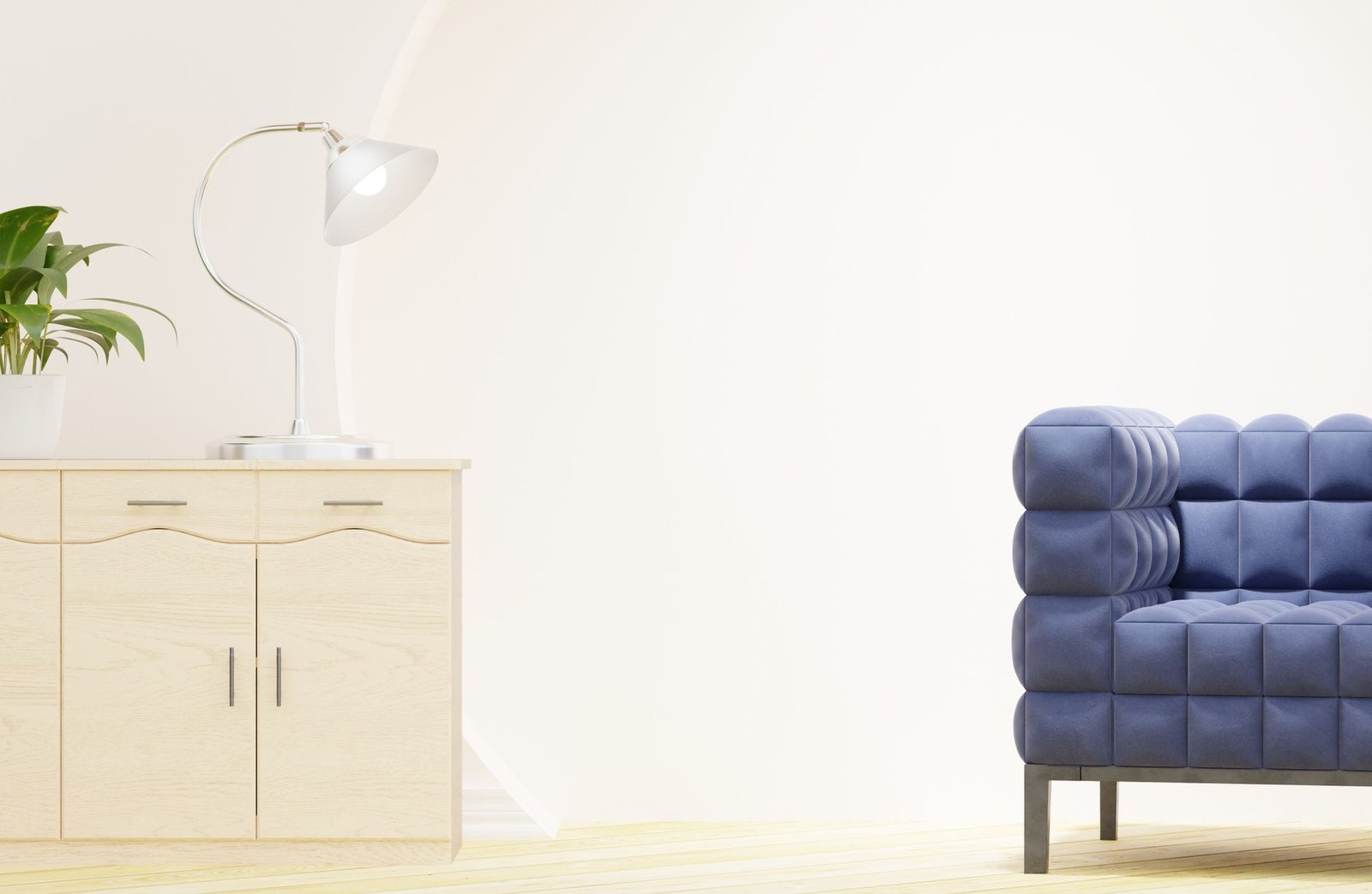
A small living room that feels perpetually dim can present a significant design challenge, often appearing less inviting and more confined than its actual dimensions. However, transforming such a space into a bright, airy, and expansive retreat is entirely achievable with strategic design interventions focusing on lighting, color, and furniture arrangement. By leveraging modern materials and design philosophies prevalent in 2026, residents can dramatically enhance their living experience.
The Foundation: Strategic Lighting for Expansive Illumination
Lighting is the most immediate and impactful tool for combating a dark living room. Beyond simply adding more light sources, the focus for 2026 is on intelligent, layered illumination that enhances the sense of space and adapts to the homeowner’s needs.
Layered Lighting for Depth and Versatility
Effective lighting design employs multiple layers to create depth and eliminate dark corners that visually shrink a room. This approach ensures every area is adequately lit while allowing for mood adjustments.
- Ambient Lighting: This is the general illumination of the room. Modern recessed LED fixtures with a shallow profile are excellent for ceilings, offering broad, even light without visual clutter. For 2026, smart light panels that seamlessly integrate into architectural elements or even act as illuminated art pieces are gaining traction. These often feature tunable white light, allowing the resident to adjust color temperature from warm to cool, mimicking natural daylight cycles.
- Task Lighting: Essential for activities like reading or working. Sleek, minimalist floor lamps with adjustable heads or articulated wall sconces that don’t occupy precious floor space are ideal. Look for designs incorporating energy-efficient LED technology with smart dimmer capabilities.
- Accent Lighting: This layer highlights architectural features, artwork, or decorative objects. Slim-profile LED strip lighting tucked into coves or under shelves, or discreet picture lights, can draw the eye around the room, making it feel larger.
The integration of smart home systems in 2026 allows for sophisticated control over all lighting layers, enabling the user to program scenes that automatically adjust throughout the day, optimizing both brightness and ambiance.
Harnessing Natural Light
Maximizing any available natural light is paramount. Even small windows can contribute significantly with the right treatment.
- Sheer Drapery: Replacing heavy, opaque curtains with lightweight, sheer drapery allows sunlight to filter through while maintaining privacy. Sustainable fabric blends, such as those incorporating Tencel or recycled polyesters, are popular in 2026 for their elegant drape and eco-conscious appeal. Mounting curtain rods high and wide beyond the window frame makes windows appear larger.
- Clean Windows: Regularly cleaning windows ensures maximum light transmission. Avoiding any obstructions directly in front of windows, such as tall furniture, is also crucial.
Color & Material Play: Reflecting Light and Space
The palette chosen for walls, furniture, and finishes plays a critical role in how light is perceived and reflected within a small living room.
The Power of Pale Hues
Light colors are inherently reflective, bouncing light around the room rather than absorbing it, thus creating an illusion of openness.
- Walls and Ceiling: Opt for off-whites, pale grays, soft blues, or muted greens on walls and ceilings. In 2026, sophisticated off-whites with subtle undertones (e.g., a hint of greige or warm stone) are favored, moving beyond stark white to provide a softer, more inviting warmth while still maximizing light reflection. Paints formulated with microscopic light-reflecting particles are also a modern innovation.
- Large Furniture: Selecting sofas and armchairs in lighter upholstery fabrics prevents them from visually dominating and weighing down the space. Performance fabrics in light neutrals are popular for their durability and ease of cleaning.
Reflective Surfaces and Finishes
Incorporating materials that reflect light further amplifies brightness and adds a touch of modern sophistication.
- Glass and Acrylic: Coffee tables, side tables, and console tables made from glass or clear acrylic disappear visually, reducing bulk and allowing light to pass through.
- Polished Metals: Subtle accents in polished chrome, brushed nickel, or even warm bronzes and coppers (a growing 2026 trend) on lamp bases, decorative objects, or furniture legs add glint and reflectivity.
- High-Gloss Finishes: A strategic piece of furniture, such as a lacquered console table or a cabinet with a high-gloss finish, can act like a mirror, reflecting light and adding a luxurious sheen without overwhelming the space.
- Mirrors: An oversized mirror or a gallery of smaller mirrors strategically placed opposite a window or a light source can double the perceived light and space. Decorative mirrors with slim, elegant frames are favored in 2026.
Furniture & Layout: Maximizing Flow and Visual Airiness
Thoughtful furniture selection and arrangement are key to ensuring a small space feels expansive and not cluttered.
Smart Furniture Choices
Every piece of furniture should serve a purpose and contribute to the open feel of the room.
- Legged Furniture: Opt for sofas, chairs, and tables with exposed legs. This allows light to pass underneath and creates a sense of visual lightness, preventing the furniture from appearing monolithic.
- Multi-functional Pieces: In small spaces, efficiency is paramount. Ottomans with hidden storage, nesting tables that can be expanded or tucked away, and modular shelving units are excellent choices for 2026 living, offering versatility without sacrificing style.
- Open-Frame Designs: Furniture with slim metal frames, rattan, or open shelving units instead of solid cabinets helps maintain an airy feel. Transparency, such as that offered by acrylic chairs or glass tabletops, is also highly effective.
Strategic Arrangement
The way furniture is positioned can dramatically impact a room’s perceived size and flow.
- Keep Pathways Clear: Ensure there are clear, unobstructed paths for movement through the room. This prevents a feeling of being cramped and improves functionality.
- Avoid Overstuffing: Resist the urge to fill every available wall or corner. A few well-chosen pieces are always better than many that make the room feel chaotic.
- Float Furniture: If space permits, pulling a sofa slightly away from the wall can create a sense of depth and airiness.
Vertical Expansion
Drawing the eye upwards can make a room feel taller than it is.
- Tall, Narrow Shelving: Rather than wide, bulky units, choose tall, slender bookshelves or display units. These utilize vertical space without encroaching too much on the floor plan.
- Floor-to-Ceiling Drapery: Hanging curtains from just below the ceiling to the floor instantly elongates the walls.
- Artwork Placement: Hanging artwork strategically to draw the eye upwards, perhaps a vertical gallery wall or a single tall piece, can enhance the perception of height.
By implementing these seven brightening tricks, a homeowner can transform a small, dark living room into a luminous, inviting, and seemingly more expansive sanctuary. The careful selection of lighting, colors, reflective surfaces, and well-proportioned furniture, all informed by current 2026 design trends, will ensure the space not only feels larger but also functions beautifully and comfortably for the resident.