
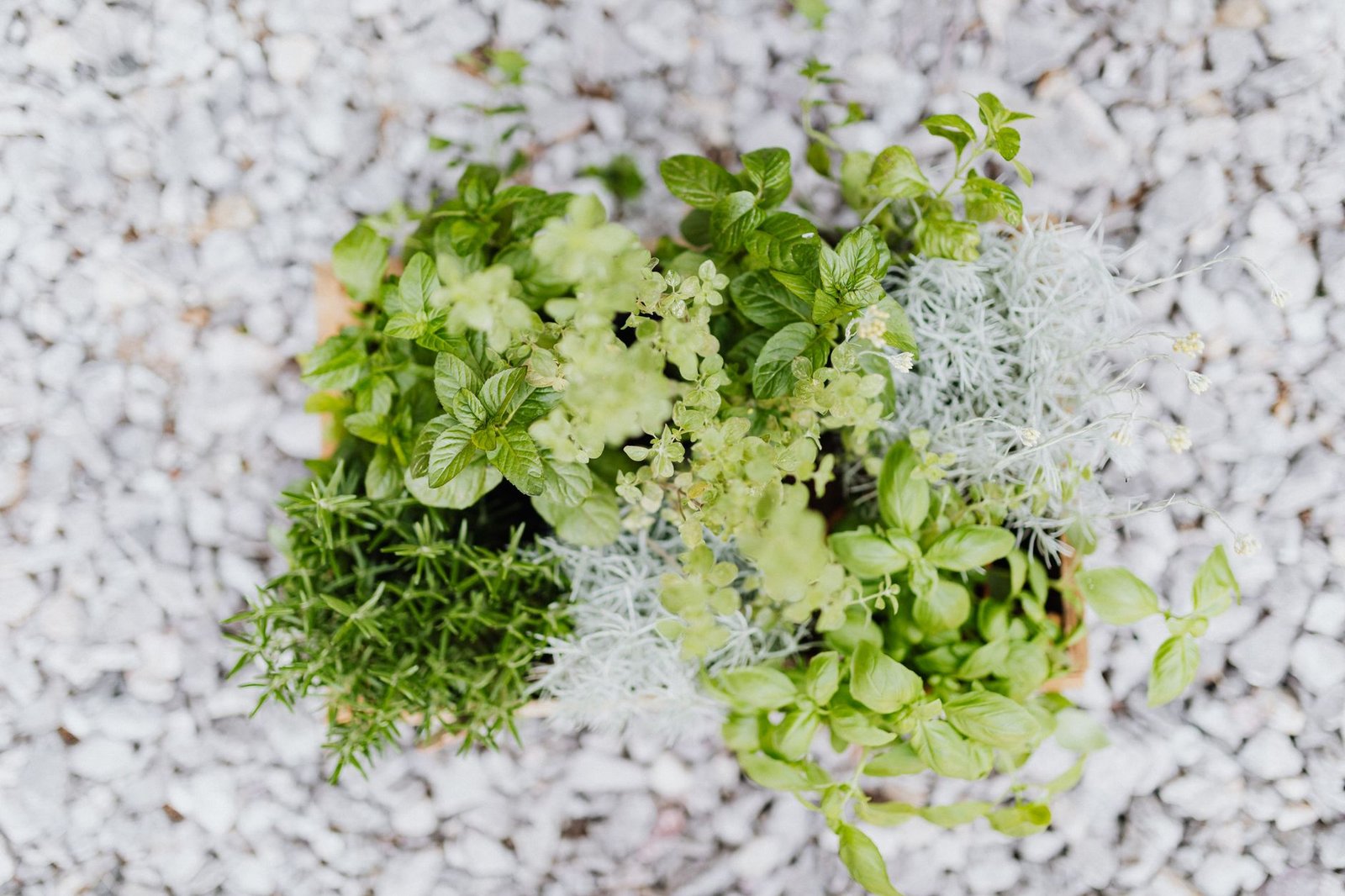
Determining the singular ‘best’ edible flowering plant for a 2026 home garden requires consideration of various factors, including regional climate, available space, desired aesthetic, and culinary preferences. While no single plant universally outshines all others, several varieties stand out for their exceptional blend of beauty, ease of cultivation, and gastronomic versatility, making them prime candidates for the modern homeowner’s garden. Key contenders that consistently deliver value for 2026 include Nasturtiums, Violas, and Borage, each offering distinct advantages.
The Allure of Edible Blooms in 2026: Trends and Integration
The integration of edible flowers into domestic landscapes continues its upward trajectory in 2026, driven by a renewed focus on sustainable living, home-grown produce, and a desire for multi-functional garden elements. Residents are increasingly seeking plants that offer both visual delight and tangible culinary benefits, transforming gardens into aesthetic and productive spaces. This trend aligns perfectly with a broader movement towards ‘aesthetic agriculture’ where beauty and bounty coexist.
Modern gardening practices in 2026 emphasize efficiency and resilience. Innovations in smart irrigation systems, leveraging AI to optimize water delivery based on weather patterns and plant needs, allow for more precise and conservative water usage. Furthermore, the development of enhanced seed varieties resistant to common pests and diseases, often through advanced breeding programs, simplifies cultivation for the average gardener. Compact growing solutions, such as modular vertical garden systems and advanced hydroponic setups, are making edible flower cultivation accessible even in urban environments with limited space, pushing the boundaries of traditional gardening.
For the 2026 landscape architect, the selection of edible flowers extends beyond mere decoration; it involves creating dynamic, living ecosystems that support local pollinators and contribute to biodiversity. Drought-tolerant edible flowers are gaining significant traction, reflecting a global need for water-wise landscaping, especially in areas prone to drier conditions.
Top Edible Flowering Plants for the Modern Garden
Selecting the right edible flower depends on the gardener’s specific goals. A diverse palette ensures continuous blooms and varied flavors throughout the growing season.
Versatile & Easy-to-Grow Selections
- Nasturtium (Tropaeolum majus): These vibrant, peppery flowers and leaves are a staple for any edible garden. Known for their striking colors ranging from bright yellow to deep red, nasturtiums are incredibly easy to grow from seed. They thrive in full sun and well-drained soil, making them suitable for containers, hanging baskets, or as ground cover. The entire plant, including the flowers, leaves, and unripe seed pods (which can be pickled like capers), is edible. Their robust nature and natural pest-repellent qualities make them a practical choice for 2026 gardens focused on organic practices.
- Viola & Pansy (Viola x wittrockiana and Viola cornuta): With their delicate appearance and mild, slightly sweet flavor, violas and pansies are perfect for garnishes, desserts, or adding a touch of elegance to salads. Available in an astonishing array of colors, these cool-season annuals prefer partial shade and moist soil. Newer varieties engineered for extended blooming periods ensure a longer harvest window, especially beneficial for early spring and late autumn displays.
- Borage (Borago officinalis): This star-flowered herb offers beautiful blue blooms with a distinct cucumber-like flavor. Borage is a prolific self-seeder and attracts bees, making it excellent for pollinator gardens. Its leaves and flowers are edible, often used in salads, drinks, or as a garnish. Modern gardeners appreciate its ease of growth and its dual role as both a culinary asset and a valuable pollinator attractant.
Aromatic & Flavorful Choices
- Rose (Rosa spp.): Many varieties of roses, particularly heirloom and single-petal types, offer wonderfully fragrant petals that can be used in teas, jellies, syrups, and desserts. The flavor can range from subtly sweet to intensely floral. When selecting roses for culinary use, it is crucial to choose varieties grown without systemic pesticides. For 2026, compact, disease-resistant rose varieties are increasingly popular for smaller gardens and container planting, allowing more residents to enjoy their edible and ornamental qualities.
- Lavender (Lavandula angustifolia): While primarily known for its aromatic properties, culinary lavender adds a unique floral note to baked goods, savory dishes, and drinks. Its beautiful purple spikes are also highly attractive to pollinators. Lavender thrives in full sun and well-drained soil, making it an excellent choice for xeriscaping and drought-tolerant garden designs.
- Dianthus (Pinks – Dianthus caryophyllus): The fringed petals of many dianthus varieties offer a sweet, clove-like flavor. These charming flowers are ideal for garnishing and adding a subtle spice to dishes. They prefer full sun and well-drained soil, often blooming for extended periods, providing consistent beauty and flavor.
Unique & Seasonal Options
- Squash Blossoms (Cucurbita spp.): Delicate and mildly flavored, squash blossoms are a gourmet treat often stuffed and fried. Both male and female flowers are edible, but harvesting male flowers ensures fruit production from the female flowers. Growing squash in 2026 benefits from compact bush varieties and trellising techniques, making blossom harvesting more accessible in smaller spaces.
- Hibiscus (Hibiscus sabdariffa and Hibiscus rosa-sinensis): The tangy, cranberry-like flavor of hibiscus flowers (especially Hibiscus sabdariffa, or roselle) makes them excellent for teas, jams, and sauces. Other hibiscus species offer a milder flavor and vibrant tropical beauty. These plants generally prefer warm climates and full sun, and can be grown in containers in cooler zones.
Cultivating Success: 2026 Gardening Best Practices
Achieving a thriving edible flower garden in 2026 involves thoughtful planning and maintenance. The resident should begin by selecting a site that receives adequate sunlight—typically 6-8 hours daily for most flowering plants. Soil health is paramount; enriching the soil with organic compost improves drainage, aeration, and nutrient availability, which is crucial for robust growth.
For water management, especially in regions facing water scarcity, the implementation of drip irrigation or smart watering systems is highly recommended. These technologies deliver water directly to the root zone, minimizing evaporation and ensuring optimal hydration. Monitoring soil moisture levels with digital sensors can further prevent overwatering or underwatering.
Pest and disease management in 2026 gardens leans heavily towards preventative and organic methods. Companion planting, where certain plants deter pests or attract beneficial insects, is an effective strategy. For instance, nasturtiums can act as a trap crop for aphids. Regular inspection for early signs of trouble and prompt removal of affected parts helps maintain plant vigor without resorting to harmful chemicals. Utilizing targeted biological controls, such as beneficial nematodes for soil pests, is also a growing trend.
Harvesting edible flowers at their peak freshness is key to maximizing flavor and extending bloom periods. Generally, flowers are best harvested in the morning after the dew has dried but before the heat of the day. The resident should use clean shears and handle the delicate blooms gently. Consistent harvesting often encourages the plant to produce more flowers.
Considering native and climate-resilient varieties is a core tenet of modern landscaping. These plants are often better adapted to local conditions, requiring less water and fewer interventions, thus supporting local ecosystems more effectively. For the conscientious homeowner, selecting edible flowers that also act as significant food sources for local pollinators further enhances the garden’s ecological value.
Conclusion
While no single edible flowering plant can claim the title of ‘best’ for every 2026 garden, varieties such as Nasturtiums, Violas, and Borage offer an unparalleled combination of aesthetic appeal, culinary delight, and ease of cultivation. By integrating modern gardening technologies and sustainable practices, the homeowner can create a dynamic, beautiful, and productive garden space. The ultimate selection will reflect individual taste and environmental conditions, transforming any home garden into a vibrant, flavorful oasis for years to come.