
As global environmental consciousness continues to rise, homeowners in 2026 are increasingly seeking sustainable methods to maintain vibrant, healthy gardens. Effective pest management does not necessitate harsh chemical interventions; instead, a plethora of natural, eco-friendly approaches exist to protect plants and promote biodiversity. This article explores eight actionable, non-chemical strategies for residents to control common garden pests, focusing on environmentally conscious techniques relevant for the current year and beyond.
The Imperative of Sustainable Pest Management in 2026
The year 2026 underscores a growing commitment to ecological balance within domestic landscapes. Traditional chemical pesticides, while effective in the short term, are increasingly recognized for their detrimental impacts on beneficial insects, soil health, local ecosystems, and even human well-being. Modern gardening principles prioritize holistic approaches that support the garden’s natural defenses, ensuring a resilient and thriving environment without compromising environmental integrity.
Evolving Challenges and Modern Solutions
Climate shifts in 2026 may introduce new pest pressures or alter existing patterns, making adaptive, natural strategies more crucial than ever. Industry trends highlight advancements in biomaterials, smart gardening technologies, and a deeper scientific understanding of plant-insect interactions. These developments empower the resident to implement sophisticated yet natural pest control measures, moving beyond reactive treatments to proactive, preventative care.
Eight Natural Strategies for a Thriving 2026 Garden
1. Strategic Companion Planting
Companion planting, an age-old practice, remains a cornerstone of natural pest control. This method involves planting specific species together that offer mutual benefits, such as deterring pests or attracting beneficial insects. For 2026, new research continues to refine optimal pairings, identifying plant varieties with enhanced volatile organic compound emissions that naturally repel specific pests. For instance, planting marigolds near vegetables can deter nematodes, while basil can help protect tomatoes from hornworms. The judicious selection of plant partners can significantly reduce pest incidence.
2. Harnessing Beneficial Insect Power
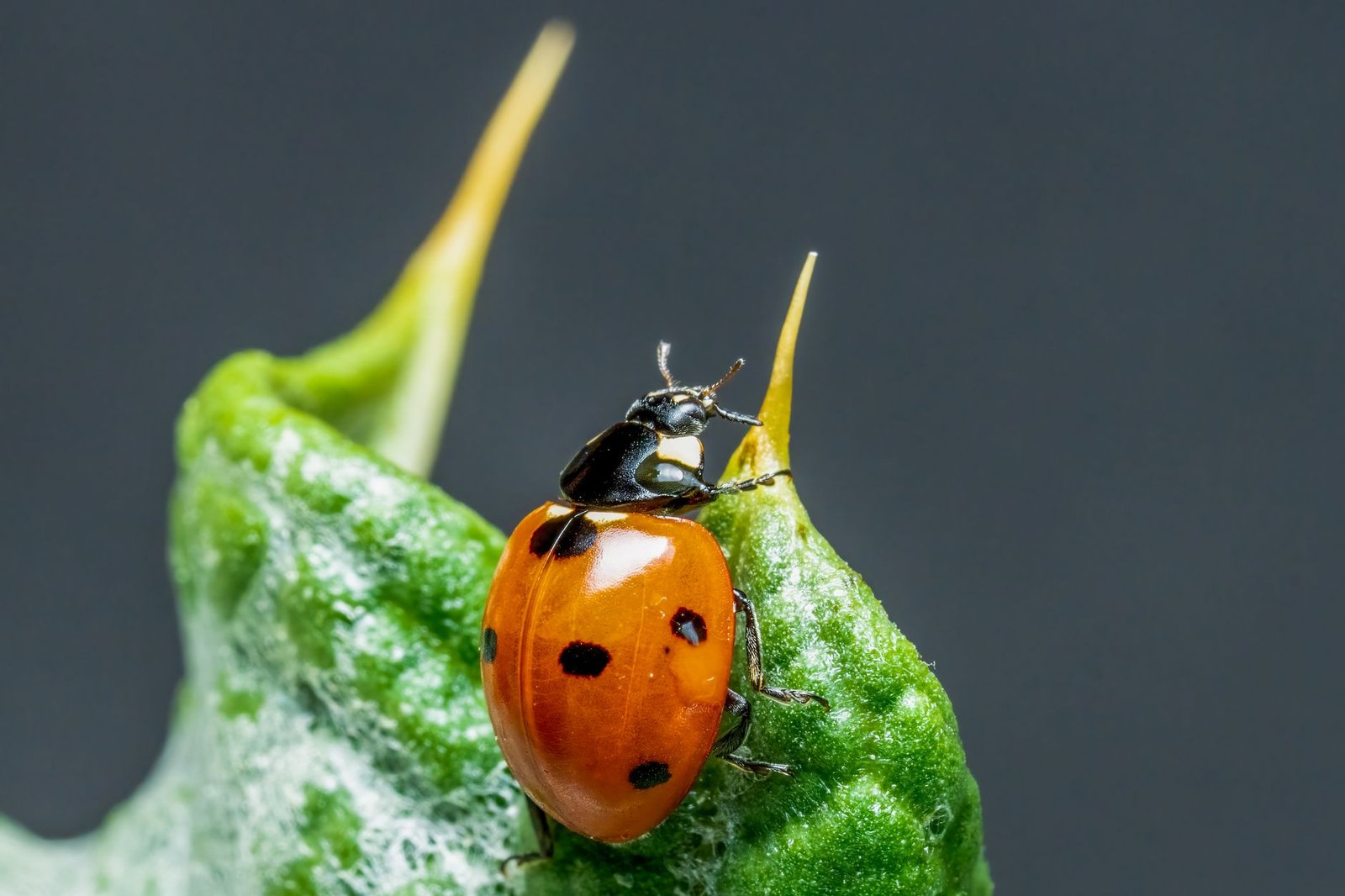
Inviting beneficial insects into the garden is a highly effective biological control method. Ladybugs, lacewings, parasitic wasps, and predatory mites are natural predators of common garden pests like aphids, spider mites, and caterpillars. In 2026, the availability of diverse native plant seed mixes specifically designed to attract and sustain these helpful insects has expanded. Some advanced horticultural suppliers now offer localized insect nurseries, providing a steady supply of beneficial organisms, and drone-based micro-releases are even being piloted for larger residential plots, ensuring swift establishment of pest-fighting populations.
3. Implementing Advanced Physical Barriers
Physical barriers provide direct protection against flying and crawling pests without chemicals. Options include row covers, netting, and insect screens. Modern materials in 2026 offer enhanced UV resistance and breathability, utilizing biodegradable meshes derived from sustainable plant fibers that naturally decompose at the end of their useful life, reducing environmental impact. Some cutting-edge installations feature smart barrier systems that can automatically deploy or adjust based on real-time weather data or early pest detection from integrated garden sensors, offering unparalleled protection.
4. Utilizing Next-Generation Organic Treatments
When localized outbreaks occur, targeted organic treatments offer a natural alternative to synthetic pesticides. Neem oil, derived from the neem tree, disrupts insect growth cycles and acts as a repellent. Insecticidal soaps effectively smother soft-bodied pests. For 2026, advancements in organic formulations include improved emulsifiers for better plant adhesion and enhanced stability, along with new essential oil blends (e.g., peppermint, cedarwood) designed for specific pest deterrence. These products are rigorously certified organic and biodegradable, ensuring minimal environmental footprint.
5. Practicing Proactive Crop Rotation
Crop rotation is a fundamental practice in regenerative agriculture, breaking pest and disease cycles by changing the location of plant families year after year. This prevents pests that specialize in a particular crop from establishing a permanent foothold in the soil. For homeowners in 2026, AI-driven garden planning applications can now generate optimized rotation schedules based on a resident’s specific garden layout, plant preferences, and local pest history, making this crucial practice more accessible and effective than ever.
6. Manual Control and Smart Trapping Solutions
Direct manual removal of pests, such as hand-picking slugs, snails, or larger caterpillars, remains an immediate and effective solution. Complementing this, modern trapping solutions have evolved. Pheromone traps use species-specific attractants to lure and capture target pests, while sticky traps offer a non-toxic way to monitor and reduce populations of flying insects. In 2026, new biodegradable trapping materials and more targeted, long-lasting lures are common, minimizing non-target capture and improving efficacy. Small, autonomous garden bots are also emerging for larger estates, capable of identifying and removing visible pests.
7. Cultivating Robust Soil Ecosystems
A healthy garden begins with healthy soil. Plants grown in rich, biologically active soil are inherently more vigorous and better equipped to resist pest attacks. Practices such as composting, utilizing no-till methods, incorporating cover crops, and amending with biochar or other sustainable soil enhancers are vital. For 2026, advanced soil testing kits provide homeowners with real-time data on microbial activity, nutrient levels, and pH, allowing for precise, data-driven soil amendments that foster stronger plant immunity against pests.
8. Optimizing Water Management for Plant Resilience
Under- or over-watered plants are stressed plants, making them more susceptible to pest infestations. Efficient water management is crucial for plant health and, by extension, pest resistance. Smart irrigation systems, widely adopted in 2026, utilize hyper-local weather forecasts and soil moisture sensors to deliver the precise amount of water needed, preventing both drought stress and waterlogging. Embracing drought-tolerant native plants further reduces water dependency and builds a more resilient garden ecosystem less appealing to opportunistic pests.
A Sustainable Future for Garden Pest Control
Implementing these eight eco-friendly strategies empowers the homeowner to cultivate a thriving garden that coexists harmoniously with its natural surroundings. The focus on prevention, biodiversity, and leveraging natural processes rather than relying on synthetic chemicals creates a more robust, beautiful, and sustainable outdoor space. By embracing these modern, environmentally conscious approaches in 2026, residents contribute to a healthier planet while enjoying the abundant rewards of a naturally protected garden.