
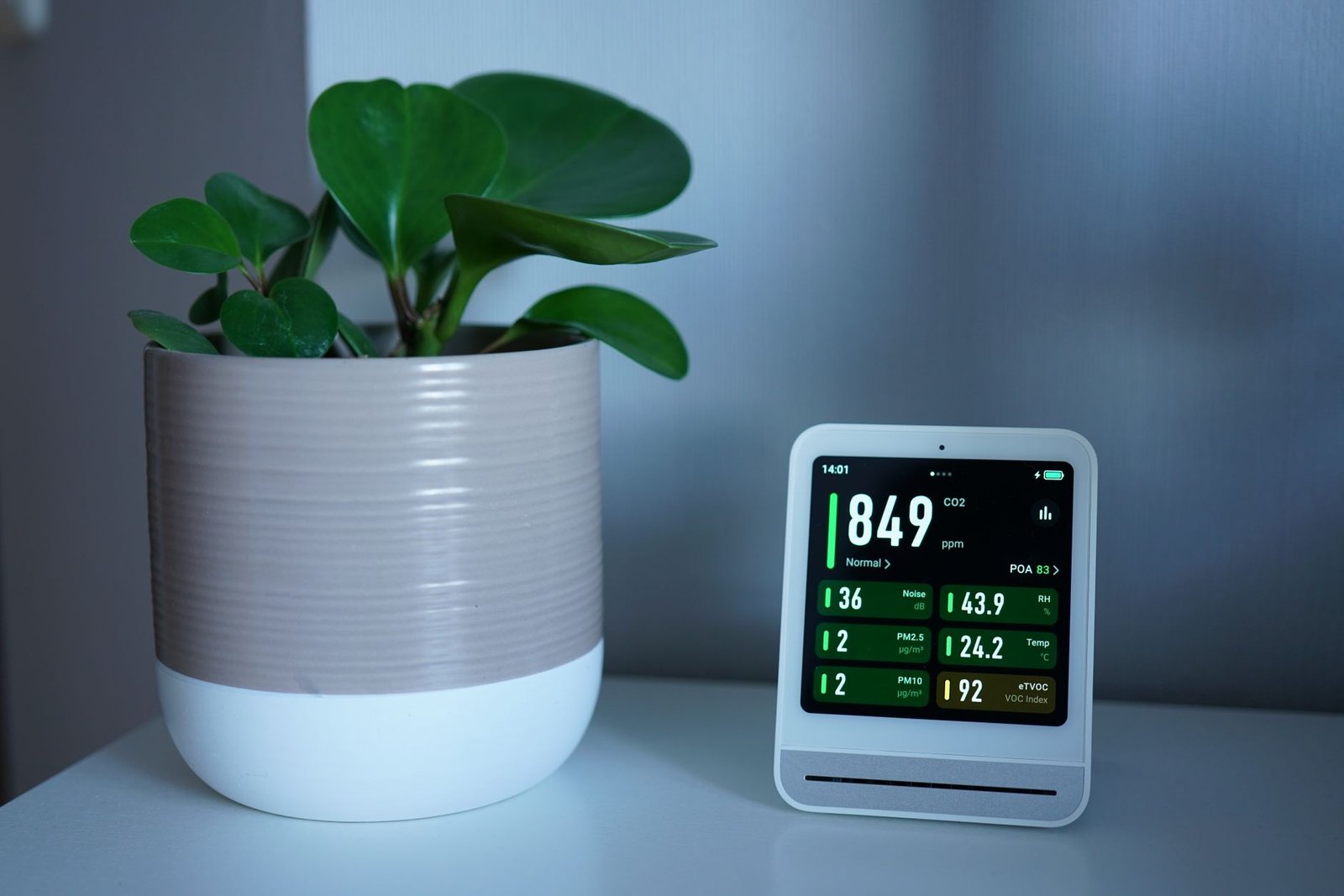
Introduction: Navigating 2026’s Indoor Air Quality Landscape
Determining the ‘best’ smart air quality monitor for a 2026 residence is not about identifying a singular device, but rather understanding which solution most effectively addresses the specific needs, existing smart home ecosystem, and air quality concerns of the homeowner. The optimal monitor seamlessly integrates advanced sensor technology with intuitive data presentation and robust smart home connectivity. This article will review leading options, discussing their features, accuracy, and integration capabilities to empower homeowners in selecting the ideal device for understanding and improving indoor air quality.
The Evolving Landscape of 2026 Indoor Air Quality
In 2026, indoor air quality (IAQ) is no longer a niche concern but a central pillar of home wellness and comfort. Heightened awareness of environmental health, coupled with advancements in building materials and home automation, has made sophisticated IAQ monitoring essential. Residents are increasingly seeking proactive solutions to ensure the purity of their living spaces.
Why Air Quality Monitoring is Critical Now
The modern home environment, while designed for comfort, can trap a myriad of pollutants. In 2026, concerns extend beyond traditional allergens and dust to include volatile organic compounds (VOCs) released from sustainable, yet sometimes off-gassing, building materials like low-VOC paints and recycled composites. Furthermore, the prevalence of smart electronics and new furniture designs can contribute to elevated levels of certain airborne chemicals. Elevated CO2 levels, often overlooked, directly impact cognitive function and sleep quality. Monitoring these invisible threats is paramount for maintaining occupant health and well-being.
2026 Trends in Home Wellness and Smart Integration
The push for holistic wellness means residents are demanding more than just temperature control; they want real-time data and actionable insights into their environment. Smart air quality monitors in 2026 are characterized by:
- Predictive Analytics: Leveraging AI and machine learning to forecast air quality trends and suggest preventive measures before problems arise.
- Seamless Matter and Thread Integration: Ensuring universal compatibility with diverse smart home platforms, simplifying setup and management.
- Miniaturized, Multi-Sensor Arrays: Packing more accurate sensors into smaller, aesthetically pleasing designs that blend into home decor.
- Sustainable Material Construction: Devices themselves are increasingly manufactured with recycled content and designed for energy efficiency.
- Biometric Data Correlation: Emerging systems may integrate with personal wellness trackers to correlate environmental factors with resident health metrics.
Essential Features of 2026 Smart Air Quality Monitors
When evaluating smart air quality monitors, several key features differentiate leading models in 2026:
Advanced Sensor Technology
A superior monitor provides comprehensive data. Essential sensors include:
- Particulate Matter (PM2.5 & PM10): Crucial for detecting dust, pollen, pet dander, and combustion byproducts.
- Volatile Organic Compounds (VOCs): Monitors chemicals from cleaning products, paints, furniture, and personal care items.
- Carbon Dioxide (CO2): An indicator of ventilation effectiveness and occupant density, impacting alertness.
- Formaldehyde (HCHO): Often found in new furniture, flooring, and building materials, a known irritant.
- Radon: A naturally occurring radioactive gas that can accumulate indoors, requiring specialized detection.
- Temperature and Humidity: Essential for comfort and preventing mold growth.
Accuracy and calibration are vital. Residents should look for devices offering professional-grade sensor accuracy and, ideally, self-calibration or easy recalibration options.
Seamless Smart Home Integration
The true power of a smart monitor lies in its ability to communicate with other home systems. Compatibility with platforms like Apple Home, Google Home, Amazon Alexa, and Samsung SmartThings via Matter, Thread, or Wi-Fi 7 is expected. This allows for:
- Automated Ventilation: Triggering smart fans or HVAC systems when CO2 or VOCs rise.
- Air Purification: Activating smart air purifiers based on PM2.5 levels.
- Notifications and Alerts: Sending real-time data and warnings to the homeowner’s mobile device.
Data Analytics and User Experience
Beyond raw data, a monitor should provide actionable insights. This includes easy-to-understand dashboards, historical data tracking, and personalized recommendations for improving air quality. Artificial intelligence plays a significant role in identifying patterns and predicting potential issues, guiding the homeowner toward better indoor air management practices.
Top Smart Air Quality Monitors for the 2026 Home
Based on 2026 industry trends and homeowner needs, several categories of devices stand out:
1. The OmniSense Pro X: The Comprehensive Powerhouse
The OmniSense Pro X represents the pinnacle of multi-sensor technology. It integrates a full suite of highly accurate sensors for PM2.5, PM10, VOCs, CO2, Formaldehyde, and Radon. Its strength lies in its AI-driven predictive analytics, which not only identifies current air quality issues but also anticipates future trends, offering proactive solutions. Connectivity is robust, supporting Wi-Fi 7, Thread, and Matter, ensuring flawless integration with any smart home ecosystem. The device boasts a sleek, minimalist design, often utilizing recycled aluminum and low-energy displays, making it a favorite for residents prioritizing both performance and aesthetics. It provides detailed zone-specific reporting when multiple units are deployed.
2. The PureLife Connect 5000: The Balanced Performer
For the homeowner seeking a strong balance of features and value, the PureLife Connect 5000 is an excellent choice. It offers reliable PM2.5, VOC, and CO2 monitoring, alongside temperature and humidity. While it may not include a dedicated radon sensor as standard, its modular design allows for optional add-ons. The PureLife Connect excels in user-friendliness, with an intuitive app interface that provides clear, actionable advice. Its Matter and Wi-Fi 7 compatibility ensures broad smart home integration. This model is particularly valued for its durable construction and consistent sensor accuracy, making it a dependable backbone for a healthy home environment.
3. The AuraGuard Compact: The Essential & Discreet Monitor
The AuraGuard Compact is designed for simplicity and unobtrusive presence. Ideal for residents new to IAQ monitoring or those needing targeted room coverage, it focuses on core pollutants: PM2.5, VOCs, and CO2. Its small footprint and elegant design allow it to blend seamlessly into any decor. While its analytical depth might not match the OmniSense Pro X, it provides essential real-time data and alerts. The AuraGuard Compact primarily uses Wi-Fi 7 and Bluetooth LE Audio for connectivity, offering easy setup and integration with major smart home platforms. It’s an accessible entry point into sophisticated indoor air management.
Selecting the Ideal Monitor for the Residence
Choosing the correct smart air quality monitor involves considering several factors:
Assessing Specific Needs
The homeowner should identify the primary concerns. Is it allergens and dust, or specific chemical off-gassing from new furnishings? Radon detection, while critical in certain geographies, may not be a universal requirement. A comprehensive understanding of the home’s potential pollutant sources guides the selection of sensor types.
Considering Integration
The existing smart home ecosystem is a critical determinant. A monitor that speaks the same language (e.g., Matter, Thread) as the resident’s other devices will provide a more cohesive and automated experience. Checking for specific platform compatibility (Apple Home, Google Home, Amazon Alexa) is essential for seamless operation.
Evaluating Long-Term Value
Investment in a smart air quality monitor is an investment in long-term wellness. Factors like sensor longevity, calibration requirements, manufacturer support, and the frequency of software updates contribute to a device’s sustained utility. Devices with modular designs or robust future-proofing through software enhancements often offer greater value over time.
Conclusion
In the landscape of the 2026 home, a smart air quality monitor is an indispensable tool for maintaining a healthy and comfortable living environment. While no single device can be definitively crowned ‘the best’ for every scenario, understanding the advanced features, integration capabilities, and specific sensor arrays available empowers the homeowner to make an informed decision. By carefully evaluating individual needs against the capabilities of leading monitors like the OmniSense Pro X, PureLife Connect 5000, or AuraGuard Compact, a resident can confidently select a solution that provides real-time insights and proactive management of their indoor air, contributing significantly to overall home wellness and peace of mind.