
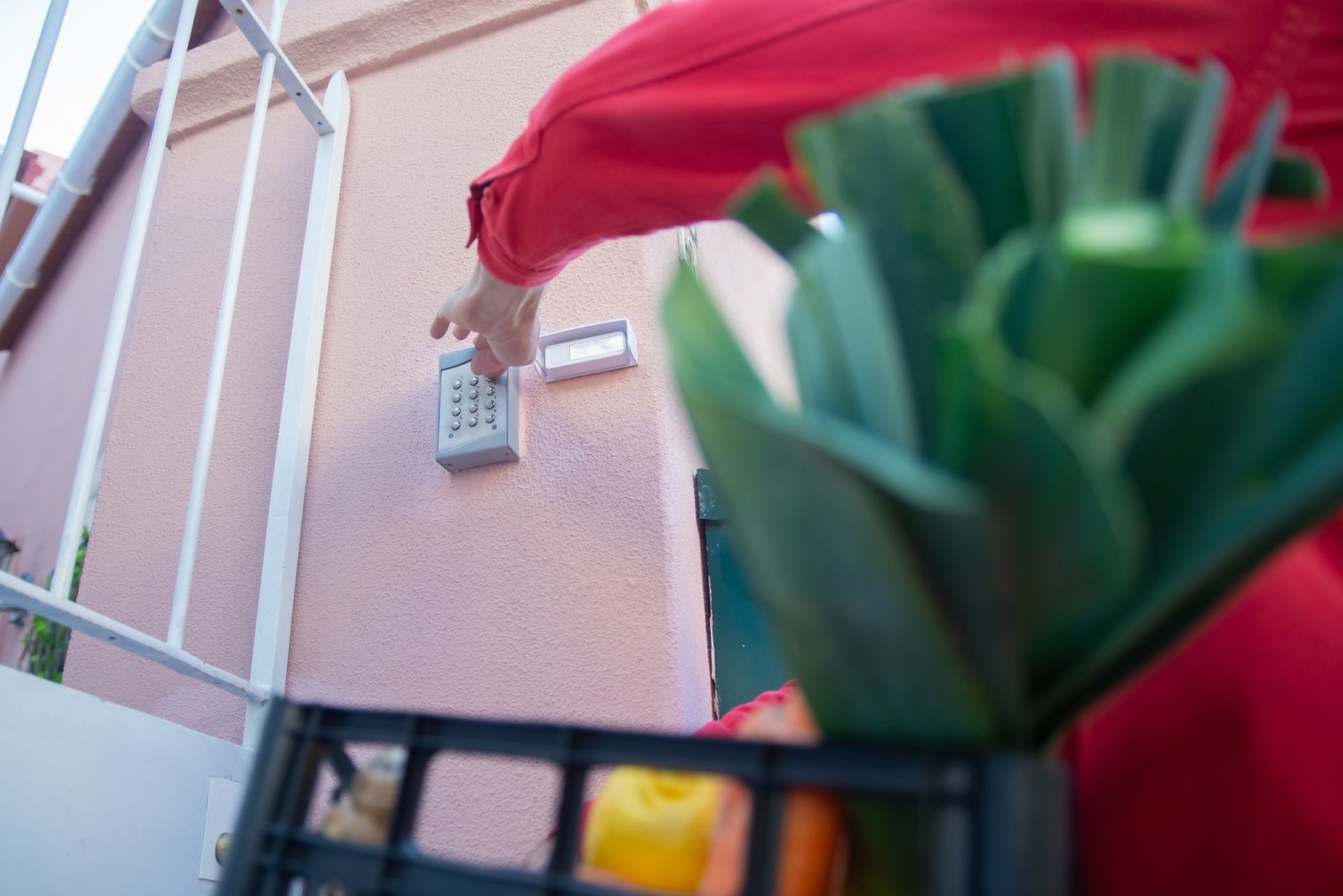
As residential architecture evolves, so too do the mechanisms safeguarding entry. The year 2026 marks a significant inflection point in smart home security, with high-security smart locks no longer mere conveniences but critical centralized access nodes. These sophisticated devices integrate seamlessly into the modern living environment, offering unprecedented control and peace of mind. A comprehensive assessment of current smart lock technologies reveals advancements in biometric encryption protocols, streamlined remote credential distribution, and robust secondary physical fail-safe systems, all contributing to an elevated standard of domestic security.
Biometric Encryption Protocols: The Apex of Personal Access
The cornerstone of next-generation smart lock security lies in its biometric capabilities. Moving beyond rudimentary fingerprint scanners, 2026 sees the widespread adoption of multi-spectral biometric technologies and advanced facial recognition systems, fortified by artificial intelligence. These protocols offer a level of personalized security previously confined to high-security installations.
Advanced Biometric Modalities
Current biometric systems employ a spectrum of techniques to ensure accurate and spoof-resistant identification. Fingerprint scanning has evolved from simple optical readers to sophisticated multi-spectral imaging, which captures sub-dermal patterns, rendering conventional spoofing attempts largely ineffective. This technology can even differentiate between a living finger and a replica, a critical enhancement in security.
Facial recognition has likewise matured, utilizing 3D depth mapping and infrared sensors to create highly accurate topographical data of a resident’s face. Liveness detection algorithms, powered by deep learning, actively detect subtle movements, skin textures, and even pupil dilation, preventing unauthorized access via photographs or masks. Iris scanning, while less common in mainstream residential applications due to cost and user interaction requirements, remains the gold standard for its unparalleled accuracy and resistance to compromise, slowly becoming more integrated into premium systems.
AI Integration and Quantum-Resistant Encryption
The intelligence layer beneath these biometrics is crucial. AI and machine learning algorithms continuously adapt, learning patterns and detecting anomalies, thereby enhancing the system’s ability to distinguish legitimate access attempts from potential threats. This includes rapid analysis of environmental factors and user behavior. Furthermore, the industry is seeing the proactive integration of quantum-resistant encryption algorithms into biometric data storage and transmission, future-proofing these systems against emerging cyber threats.
Remote Credential Distribution: Seamless Control and Management
The ability to manage access remotely has transformed how residents interact with their properties. In 2026, remote credential distribution is characterized by its unparalleled security, flexibility, and user-centric design, providing granular control over who enters and when.
Secure Digital Key Management
Modern smart locks facilitate the secure creation and distribution of digital keys and temporary access codes. Homeowners can generate time-sensitive or single-use credentials for visitors, service providers, or family members directly from a secure mobile application. These credentials are often encrypted using end-to-end encryption protocols, ensuring that only the intended recipient can utilize them and that the transmission remains private. Blockchain-based solutions are also gaining traction, offering immutable records of access events and enhancing the transparency and auditability of key distribution.
Advanced Connectivity and Access Logs
Leveraging robust connectivity standards such as Wi-Fi 6E, Matter protocol, and even early 5G/6G integration for ultra-low latency, smart locks offer instantaneous communication and control. This enables real-time monitoring of access events, with detailed logs documenting entries and exits. Should an unusual event occur, immediate notifications can be dispatched to the resident, providing crucial awareness. Geofencing capabilities further augment convenience, allowing for automated unlocking upon the resident’s approach, enhancing the seamless entry experience while maintaining a high security posture.
Zero-Trust Access Models
A significant trend in 2026 is the adoption of zero-trust security principles for smart home ecosystems. This model dictates that no user or device is inherently trusted, regardless of their location or prior authorization. Every access request, even from a known user, is continuously verified. This approach, combined with multi-factor authentication requirements for critical actions, drastically reduces the attack surface for remote access vulnerabilities.
Secondary Physical Fail-Safe Systems: The Unyielding Backup
While digital security is paramount, the intelligent design of high-security smart locks acknowledges the necessity of robust physical redundancies. These fail-safe systems ensure continued functionality and security even in scenarios of power outage, digital malfunction, or extreme physical compromise.
Mechanical Override and Emergency Power
A fundamental fail-safe remains the inclusion of a traditional, physical key override. This mechanical backup ensures that access is always possible, even if the smart lock’s electronic components or power supply are compromised. Furthermore, smart locks are equipped with sophisticated power management systems. This typically includes long-lasting battery backups, often leveraging solid-state battery technology for extended life and reliability. Many models also feature external power input ports, such as USB-C, allowing for temporary power supply in the event of complete battery depletion, ensuring the resident is never locked out.
Advanced Material Science and Tamper Resistance
The physical construction of 2026 smart locks integrates cutting-edge material science. Manufacturers are utilizing aerospace-grade aluminum alloys, titanium composites, and even graphene-enhanced polymers to create housings and internal mechanisms that offer exceptional resistance to forced entry, drilling, and extreme weather conditions. These materials provide superior strength-to-weight ratios and enhanced durability. Furthermore, some advanced designs incorporate sensor arrays that detect tampering attempts, triggering local alarms or sending immediate alerts to the resident’s monitoring system. Self-healing polymer coatings are also emerging, capable of minor scratch and abrasion repair, maintaining the lock’s aesthetic and protective integrity over time.
Integrated Security and Durability
Beyond material strength, the holistic design incorporates features such as anti-pick cylinders, reinforced deadbolts, and tamper-resistant screws. These physical deterrents work in concert with the electronic security measures to create a truly formidable barrier. The emphasis on integrated security means that the smart lock is not just an electronic device, but a fortified access point built to withstand both digital and physical assaults.
Conclusion: The Future of Residential Access
High-security smart locks in 2026 represent a pinnacle of residential access technology, seamlessly blending advanced digital security with robust physical integrity. The evolution of biometric encryption protocols, particularly multi-spectral fingerprinting and AI-enhanced facial recognition, offers unparalleled personalized access. Remote credential distribution systems provide homeowners with flexible, secure control over property access, underpinned by zero-trust principles and quantum-resistant encryption. Crucially, the integration of traditional mechanical overrides, extended-life battery solutions, and cutting-edge material science ensures that these central access nodes remain reliable and impenetrable. As smart home ecosystems continue to expand, these intelligent locks stand as the vigilant guardians, redefining comfort and security for the modern resident.