
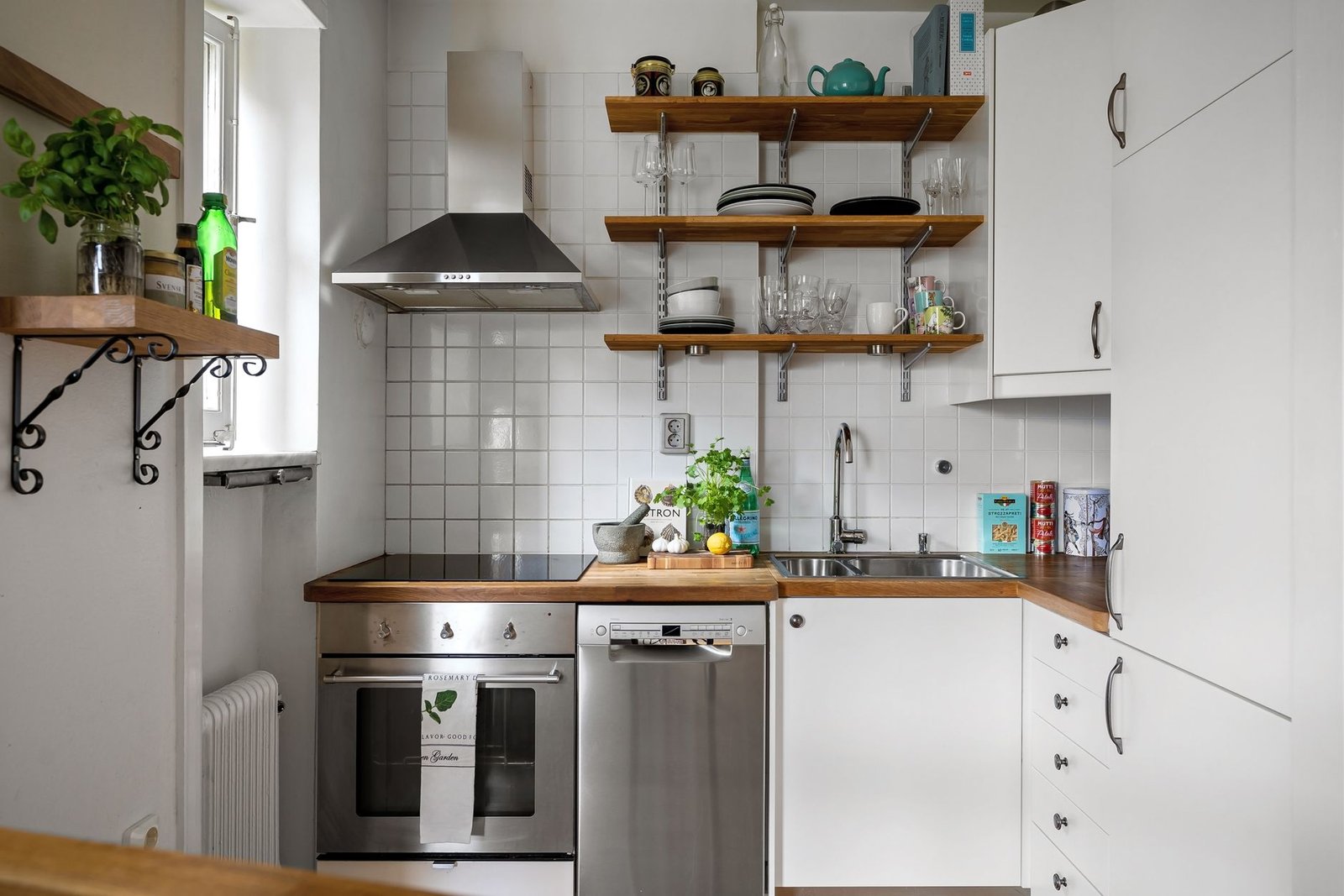
The Modern Small Kitchen Challenge in 2026
Clutter in kitchen cabinets is a persistent challenge, especially within the compact layouts prevalent in 2026 urban living. Effectively organizing these essential spaces requires strategic thinking and an understanding of modern storage solutions. The aspiration for a functional and aesthetically pleasing kitchen, even with limited square footage, is entirely achievable through innovative approaches to cabinet organization.
The year 2026 sees a strong emphasis on minimalist design, sustainable living, and technological integration within home interiors. Small kitchens are no longer a compromise but an opportunity for highly efficient design. Homeowners are increasingly seeking solutions that are not only space-saving but also environmentally conscious and visually appealing. This article presents six smart storage hacks designed to transform cluttered cabinets into highly organized, accessible, and efficient spaces, aligning with contemporary trends and material advancements.
Maximizing Vertical Space: Utilizing Every Inch
1. Adjustable Shelf Inserts and Risers
One of the most underutilized aspects of cabinet space is its vertical dimension. Standard shelves often leave significant gaps above shorter items, creating wasted volume. Adjustable shelf inserts and risers are indispensable tools for doubling or even tripling storage capacity. These come in various sizes and materials, including sleek stainless steel, robust bamboo composites, and lightweight, transparent recycled polymers that blend seamlessly with modern kitchen aesthetics.
The resident can deploy these risers to create multiple levels for plates, bowls, mugs, or pantry staples. Look for models with anti-slip feet for stability, ensuring items remain secure. In 2026, many designs feature modular systems, allowing for easy reconfiguration as storage needs evolve. Sustainable bamboo options offer both durability and an eco-friendly footprint, a key consideration for today’s conscientious homeowner.
2. Vertical Dividers for Trays and Boards
Storing baking sheets, cutting boards, platters, and pan lids can be notoriously awkward, often leading to teetering stacks that risk damage. Vertical dividers are a simple yet revolutionary solution. These sturdy inserts, often made from metal wire, resilient bio-plastics, or even sleek acrylic, partition cabinet space, allowing items to be stored upright.
This method not only prevents items from toppling but also makes them instantly accessible without having to unload an entire stack. For 2026, new slim-profile divider systems integrate magnetic attachments or non-slip bases for even greater stability and customizability within existing cabinetry. The user benefits from a streamlined workflow, as desired items are easily retrieved from dedicated slots.
Harnessing Under-Shelf and Door Space: Overlooked Opportunities
3. Under-Shelf Baskets and Drawers
The space directly beneath cabinet shelves often goes unused. Under-shelf baskets and drawers leverage this neglected area, providing additional storage without occupying valuable countertop or primary shelf space. These typically slide onto existing shelves, offering an instant pull-out compartment.
Ideal for smaller items like spice jars, foil and cling wrap boxes, or even fresh produce that doesn’t require refrigeration, these accessories come in various finishes. The 2026 market offers designs featuring minimalist lines, durable powder-coated metals, or clear, BPA-free recycled plastics that allow for quick visual inventory. Some advanced models even incorporate sensor technology for basic inventory tracking, a nascent trend in smart kitchen organization.
4. Cabinet Door Organizers
The interior of cabinet doors represents prime real estate for compact storage. Cabinet door organizers, which can be mounted with screws or strong adhesive strips, are perfect for an array of small, frequently used items. Options include narrow racks for spice jars, small bins for cleaning supplies, or hooks for dishcloths and oven mitts.
Modern designs in 2026 emphasize tool-free installation and sleek profiles that do not interfere with door closure. Magnetic solutions are gaining traction, allowing for flexible repositioning of small metal containers or hooks. The careful placement of these organizers can free up significant shelf space, making the resident’s most-used items easily accessible and neatly stored away.
Smart Solutions for Awkward Spaces: Innovation for Efficiency
5. Pull-Out Organizers and Lazy Susans
Deep, dark corner cabinets and lower shelves are notorious for becoming black holes of forgotten items. Pull-out organizers, such as sliding shelves or tiered drawers, transform these challenging spaces into highly functional storage. These systems bring the contents of the back of the cabinet to the front, eliminating the need to rummage.
Similarly, Lazy Susans (turntables) are invaluable for corner cabinets or even regular shelves, providing easy access to condiments, oils, or small appliances with a simple spin. Materials in 2026 range from heavy-duty stainless steel for pots and pans to durable, easy-to-clean recycled plastics for pantry items. Advanced pull-out systems now feature soft-close mechanisms and adjustable dividers, enhancing both functionality and user experience.
6. Modular and Stackable Container Systems
The foundation of effective kitchen organization lies in containing and categorizing items. Modular and stackable container systems are essential for maximizing every cubic inch. These systems typically consist of various-sized bins, boxes, and jars designed to fit together perfectly, eliminating wasted space. They are ideal for pantry staples, snacks, baking ingredients, and even small kitchen tools.
In 2026, the trend leans towards clear, airtight containers made from sustainable, food-grade recycled glass or advanced bio-plastics. These materials offer longevity, maintain food freshness, and allow for immediate visual identification of contents. Many modern systems incorporate RFID-enabled labels or QR codes that can integrate with smart home inventory apps, a growing convenience for the digitally-savvy homeowner, ensuring consistent stock management and reducing food waste.
2026 Material and Trend Integration for the Organized Kitchen
The landscape of kitchen organization in 2026 is profoundly shaped by advancements in materials and a heightened awareness of sustainability and smart living. Homeowners are not just seeking solutions for clutter; they are looking for products that align with their values and enhance their daily efficiency.
Sustainable Materials: The shift towards eco-conscious living means a prevalence of storage solutions crafted from recycled polymers, rapidly renewable bamboo, and responsibly sourced wood composites. Transparent, food-grade recycled PET and glass are preferred for pantry storage, offering both visibility and environmental benefits. Bioplastics, derived from corn starch or other organic sources, are also gaining traction for their lighter environmental footprint.
Smart Integration: While fully automated kitchens are still emerging, 2026 sees more integrated smart features in organization. This includes LED lighting within cabinets that activates upon opening, providing better visibility; RFID-ready container labels for inventory management via smartphone apps; and even sensor-based humidity controls in specialized storage units for produce. These technologies aim to simplify tasks, reduce waste, and enhance the overall cooking experience.
Minimalist Aesthetics and Hidden Storage: The visual appeal of an organized kitchen is paramount. Solutions in 2026 favor clean lines, neutral color palettes, and seamless integration with existing cabinetry. Many modern designs emphasize hidden storage, where pull-outs and organizers are discreetly concealed, contributing to a calm and uncluttered kitchen environment. Multifunctional accessories that serve dual purposes, such as cutting boards that double as container lids, exemplify this trend.
Transforming the Kitchen: A Blueprint for Order
Addressing cluttered kitchen cabinets is not merely about tidying; it is about reclaiming functionality and peace of mind within the heart of the home. By implementing these six smart storage hacks, homeowners can significantly enhance the efficiency and aesthetic appeal of even the smallest kitchen spaces.
From maximizing vertical dimensions with risers and dividers to leveraging overlooked door and under-shelf areas, and finally innovating with pull-outs and modular containers, each solution contributes to a more organized and enjoyable culinary environment. The integration of 2026’s sustainable materials and emerging smart technologies further solidifies the commitment to a kitchen that is both high-performing and environmentally responsible. A truly organized kitchen is within reach, transforming daily routines into seamless experiences for every resident.