
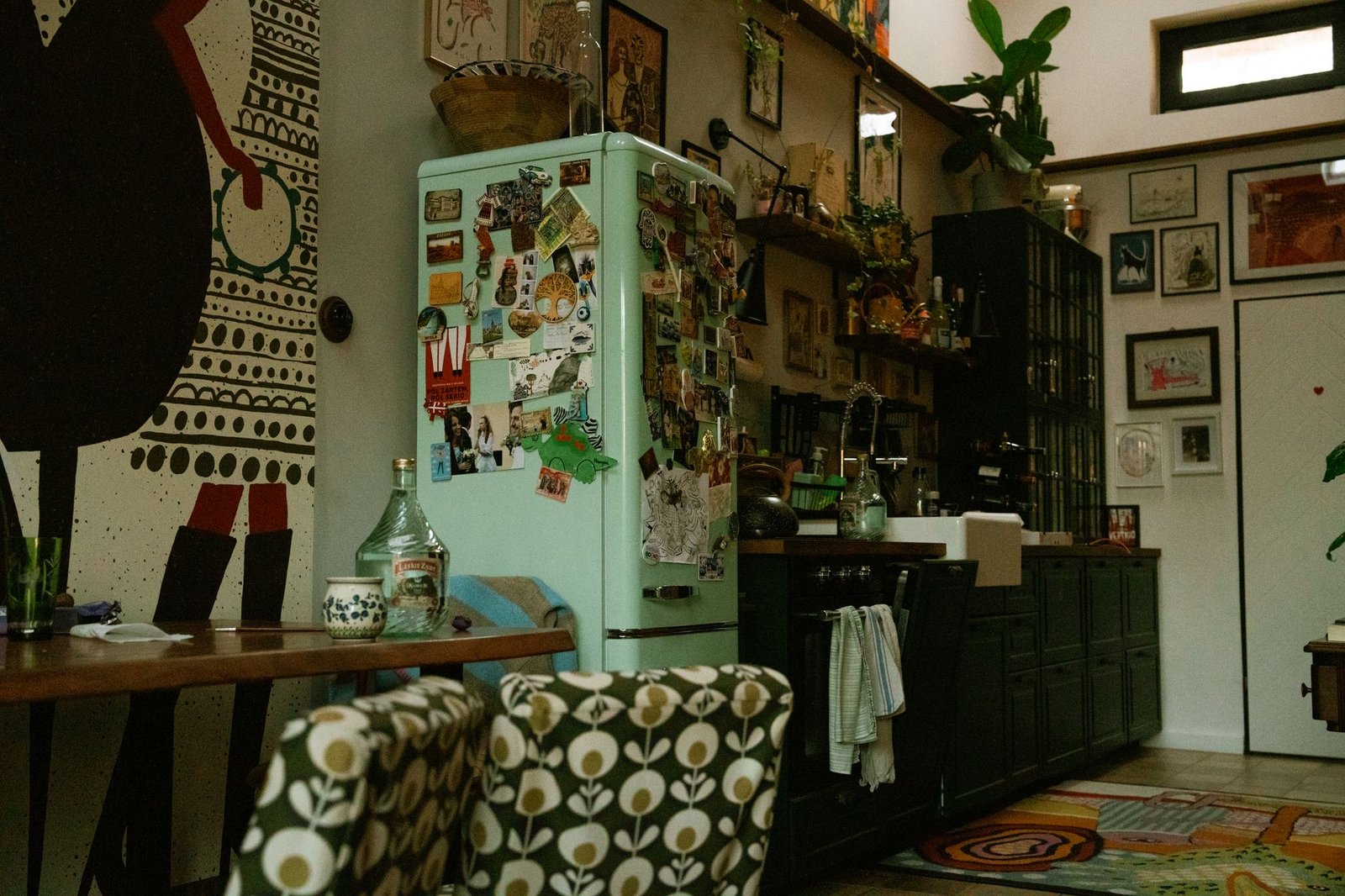
In 2026, homeowners seeking to define their living spaces often find themselves at a crossroads between two profoundly popular yet distinct interior design philosophies: Bohemian (Boho) and Modern Farmhouse. The choice between these aesthetics is not merely about decor; it reflects a deeper connection to lifestyle, comfort, and the integration of contemporary living with timeless appeal. This analysis aims to illuminate the core tenets, emerging trends, and practical considerations for each style, guiding the homeowner in selecting the aesthetic that best aligns with their vision for a 2026 residence.
The Allure of Boho Chic in 2026
Bohemian decor, or Boho chic, thrives on a free-spirited, eclectic, and globally inspired ethos. It is a style that celebrates individualism, comfort, and a rich tapestry of textures and patterns. In 2026, Boho has evolved to embrace sustainability and subtle technological integration, moving beyond mere visual appeal to offer a holistic, sensory experience.
Aesthetics and Philosophy
The Boho aesthetic in 2026 emphasizes authenticity and a layered approach. It is about creating spaces that feel collected over time, often showcasing travel souvenirs, handcrafted items, and vintage finds. The underlying philosophy promotes a relaxed, unpretentious environment that encourages creativity and personal expression.
Key Elements and Materials for 2026
- Sustainable Textiles: Organic cottons, hemp, jute, and recycled wool are prominent. Expect to see advanced weaving techniques creating intricate patterns in throw blankets, rugs, and cushions, all sourced ethically.
- Natural Materials: Rattan, bamboo, and reclaimed wood remain central, often presented in their raw, organic forms. Furniture crafted from responsibly harvested timber or recycled plastic composites mimicking natural textures is gaining traction.
- Biophilic Design: An increased focus on incorporating abundant indoor plants, often housed in handcrafted ceramic or biodegradable planters. Smart plant care systems, discreetly integrated, ensure thriving greenery with minimal effort.
- Artisan Crafts: Hand-knotted macrame, intricate tapestries, globally inspired pottery, and unique, custom-made artworks are essential, reflecting a celebration of human craftsmanship.
- Subtle Tech Integration: Smart lighting systems with warm, adjustable hues, voice-controlled ambient sound systems, and hidden charging stations blend seamlessly into the relaxed environment, enhancing comfort without disrupting the visual flow.
Color Palettes
Boho palettes in 2026 favor earthy tones such as warm browns, terracotta, and deep greens, complemented by vibrant jewel tones like sapphire blue, emerald green, and ruby red. Muted pastels also play a role, providing a soft backdrop for bolder accents. The use of natural dyes is increasingly prevalent, aligning with sustainability goals.
Embracing Modern Farmhouse for 2026
Modern Farmhouse design continues to be a powerful force in 2026, evolving to offer a sophisticated blend of rustic charm and contemporary functionality. It balances comfort with clean lines, creating spaces that feel both welcoming and refined.
Aesthetics and Philosophy
The Modern Farmhouse aesthetic prioritizes practicality, simplicity, and a sense of enduring comfort. It aims to evoke the warmth of traditional rural living while incorporating the conveniences and sleekness of modern design. The philosophy centers on creating a cohesive, family-friendly environment that is both beautiful and highly functional.
Key Elements and Materials for 2026
- Reclaimed & Engineered Woods: Barn wood, distressed oak, and walnut remain popular, often balanced with lighter, engineered wood products that offer durability and consistency. Advanced wood composites provide sustainable and low-maintenance alternatives.
- Industrial Accents: Matte black metals, brushed nickel, and raw steel are frequently used in lighting fixtures, hardware, and furniture frames, providing a contemporary edge to rustic elements.
- Clean Lines & Minimalist Forms: Furniture pieces often feature straightforward designs with minimal ornamentation, emphasizing function and comfort. Modular and custom-built cabinetry with smart storage solutions is common.
- Smart Appliances & Surfaces: Kitchens and bathrooms feature integrated smart appliances, touchless faucets, and durable, low-maintenance surfaces like quartz, polished concrete, or advanced porcelain tiles that mimic natural stone or wood.
- Technological Integration: Smart home systems are often central, controlling lighting, climate, security, and entertainment. Interfaces are typically discreet, integrated into wall panels or voice-activated, maintaining the clean aesthetic.
Color Palettes
Modern Farmhouse palettes in 2026 gravitate towards a neutral base of whites, creams, grays, and soft blues, creating a bright and airy foundation. These are often accented with deeper tones of charcoal, navy, and forest green, along with natural wood tones, to add depth and warmth. The emphasis is on creating a serene, cohesive backdrop.
Direct Comparison: Boho vs. Modern Farmhouse in 2026
While both styles prioritize comfort, their approaches diverge significantly. Understanding these differences is crucial for the homeowner’s decision.
Visual Contrast
Boho is characterized by a maximalist approach, celebrating abundance, layered textures, and a deliberate sense of ‘organized chaos.’ Patterns are vibrant and often clashing in an artful way. Modern Farmhouse, conversely, embraces minimalism, clean lines, and an uncluttered aesthetic. Patterns are subtle, often geometric or simple stripes, and the overall feel is one of serene order.
Functionality and Livability
Boho prioritizes emotional comfort and personal expression, often with flexible furniture arrangements that invite lounging and creative pursuits. While comfortable, it might involve more ongoing styling to maintain its collected look. Modern Farmhouse focuses on practical living, durable surfaces, and efficient layouts designed for everyday family life. Its inherent simplicity often translates to easier maintenance.
Sustainability Focus
- Boho: Sustainability is often reflected in the sourcing of vintage items, handmade crafts, and natural, often recycled, textiles. The focus is on reducing consumption through reuse and supporting artisan communities.
- Modern Farmhouse: Sustainability is seen in the use of reclaimed or sustainably harvested wood, energy-efficient appliances, and durable, long-lasting materials that minimize waste over time.
Technological Integration
- Boho: Tech is integrated subtly, almost hidden, designed to enhance ambiance and convenience without being a focal point.
- Modern Farmhouse: Tech is often more visible and central to the home’s functionality, with smart features seamlessly integrated into appliances and structural elements, contributing to efficiency and modern living.
Determining the Ideal Style for the Homeowner
Choosing between Boho and Modern Farmhouse requires an introspection into the resident’s lifestyle, architectural preferences, and future aspirations for their living space.
Lifestyle Considerations
- For the Free Spirit: If the homeowner values travel, artistic expression, eclectic collections, and a relaxed, unconventional atmosphere, Boho may be the ideal fit. It suits those who appreciate stories behind objects and enjoy constantly evolving their space.
- For the Practical Traditionalist: If the homeowner prioritizes order, durability, family-friendly design, and a blend of classic comfort with modern efficiency, Modern Farmhouse will likely resonate more deeply. It appeals to those who appreciate a consistent, serene, and functional environment.
Architectural Compatibility
Boho can adapt to various architectural styles, often using decor to soften rigid lines or add character to newer constructions. Its eclectic nature allows it to feel at home in almost any shell. Modern Farmhouse tends to complement homes with traditional bones, such as existing farmhouses, transitional homes, or even some contemporary builds, where its clean lines can shine against a simpler backdrop.
Budget and Investment
Both styles can be achieved across a range of budgets. Boho can be cost-effective by incorporating DIY projects, vintage finds, and global market purchases, though high-end artisan pieces can also elevate the investment. Modern Farmhouse often benefits from investment in quality, durable materials and built-ins, though budget-friendly interpretations are widely available through mass-market retailers.
Conclusion
The decision between Boho and Modern Farmhouse for the 2026 home hinges on the resident’s core values regarding comfort, aesthetics, and lifestyle. The Boho style offers an organic, expressive, and globally inspired sanctuary, embracing individualism and a collected narrative. Modern Farmhouse provides a refined, practical, and serene environment that blends rustic warmth with contemporary sophistication. By considering personal preferences for visual complexity, functional needs, and the desired emotional resonance of their living space, the homeowner can confidently select the style that will truly make their 2026 residence a perfect reflection of their world.