
A living room that feels overly formal can often deter genuine relaxation and social interaction, creating a less inviting atmosphere than desired. For homeowners seeking to transform such a space into a haven of comfort and contemporary appeal, adopting specific design strategies is key. This article provides practical design tips and furniture arrangements specifically tailored to achieve a relaxed, inviting aesthetic congruent with 2026 living, moving away from rigid formality towards warmth and usability.
Reimagining Furniture & Layout for Comfort
The foundation of a cozy living space begins with its furniture and how it is arranged. In 2026, the trend leans heavily towards comfort-first design, blending ergonomic support with inviting aesthetics.
The Art of Inviting Arrangements
To reduce formality, consider breaking away from perfectly symmetrical layouts. Instead, opt for arrangements that encourage natural conversation and easy flow. A large sectional sofa, perhaps with a chaise, immediately signals comfort and offers ample lounging space. Pairing it with a couple of accent chairs or poufs on different sides of a central coffee table creates multiple conversation zones. The objective is to make the space feel accessible and less like a museum exhibit.
- Focus on flow: Ensure clear pathways around furniture, inviting exploration of the entire room.
- Cluster seating: Arrange furniture in a way that facilitates interaction, perhaps facing each other rather than solely towards a media console.
- Vary heights: Incorporate elements of different heights – a low coffee table, mid-height armchairs, and taller floor lamps – to add visual interest and break up rigid lines.
Softening Silhouettes: 2026 Upholstery Trends
Formal living rooms often feature stiff, angular furniture. For a relaxed 2026 vibe, residents should embrace softer, more organic shapes. Curved sofas, plump armchairs with rounded edges, and ottomans replacing traditional coffee tables are popular choices. Material innovation in 2026 sees a rise in sustainable yet luxurious textiles. Think performance velvets, which offer a plush feel with enhanced durability, and textured bouclé fabrics that provide a comforting, tactile experience. Eco-friendly options like recycled wool blends and organic cotton are also gaining prominence, offering both comfort and a clear conscience. The preference is for materials that are not only soft to the touch but also resilient to everyday use, reflecting a desire for practical luxury.
Infusing Warmth Through Textures & Materials
Tactile elements are crucial in signaling comfort and informality. Introducing a variety of textures can instantly make a room feel more welcoming.
Sensory Layers: Textiles & Rugs
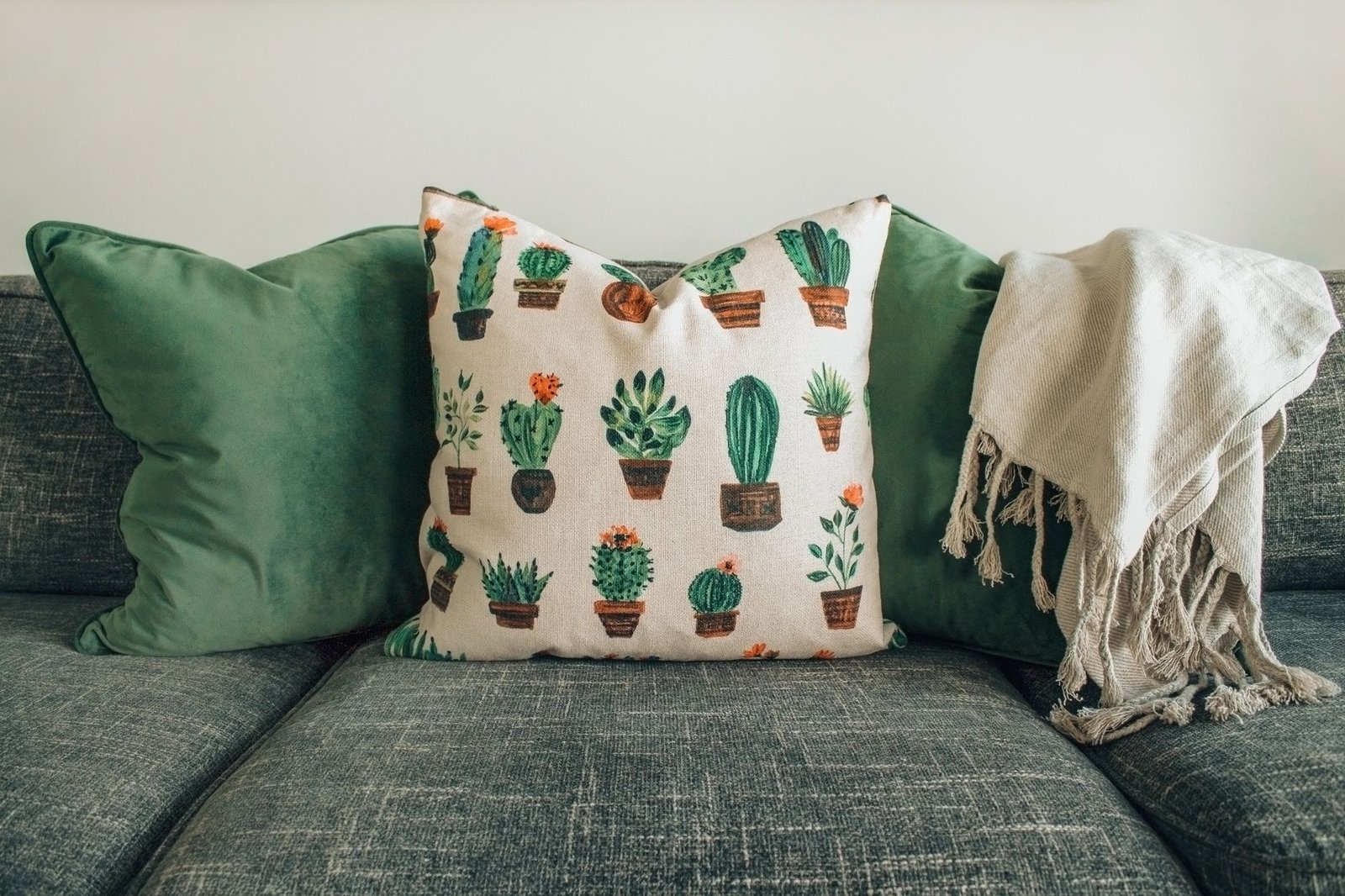
Layering textiles is a simple yet effective trick. Overly formal rooms often lack softness. Introduce chunky knit throws draped casually over a sofa or armchair. Large, plush area rugs are essential; they define zones, absorb sound, and provide a soft landing underfoot. For 2026, natural fiber rugs like jute, sisal, or wool, often featuring subtle patterns or rich textures, are preferred. Layering a smaller, softer rug (e.g., sheepskin or a high-pile shag) over a larger, flat-weave rug adds depth and an extra layer of warmth. Cushions in varying sizes, textures (linen, faux fur, velvet), and patterns can break up a monochromatic sofa and add personality.
The Power of Natural Elements
Bringing nature indoors is a hallmark of contemporary comfort. Reclaimed wood furniture, live-edge tables, and natural stone accents (like marble or travertine on side tables or decorative objects) introduce organic warmth. Biophilic design continues to be a dominant trend in 2026, emphasizing the connection to nature. Consider adding indoor plants – from large, leafy specimens like Ficus lyrata to smaller groupings of succulents. Beyond aesthetics, plants improve air quality and create a calming atmosphere. Modern material developments also include innovative sustainable composites, such as mycelium-based decorative items or acoustic panels, which offer earthy textures and a nod to ecological consciousness.
Strategic Lighting for Ambiance
Harsh, overhead lighting is a common culprit in creating a formal, sterile environment. Achieving a relaxed mood depends heavily on thoughtful lighting design.
Layered Illumination
The goal is layered lighting, incorporating multiple light sources at different heights and intensities. Eliminate reliance on a single overhead fixture. Instead, combine ambient lighting (from recessed lights or a gentle central pendant, ideally on a dimmer), task lighting (floor lamps for reading, table lamps for general glow), and accent lighting (spotlights on artwork, strip lighting in shelving). Dimmers are non-negotiable for mood control, allowing residents to adjust brightness for any occasion.
Warm Tones and Smart Tech Integration
Choose light bulbs with a warm color temperature (around 2700K-3000K) to cast a soft, inviting glow rather than a harsh, blue-white light. Smart lighting systems, which are increasingly common in 2026 homes, allow for effortless control of brightness, color temperature, and even pre-set scenes via voice command or mobile apps. This level of customization empowers the resident to instantly transform the room’s atmosphere from bright and energetic to dim and cozy.
Personal Touches & Intentional Decor
A formal room often feels impersonal. Injecting personality through curated decor is essential for a relaxed and lived-in feel.
Curated Collections vs. Clutter
Avoid generic, mass-produced decor items. Instead, display objects with personal significance – travel souvenirs, inherited pieces, or unique artisan finds. A gallery wall featuring a mix of family photos, original art, and unique prints can be more engaging than a single, large, imposing artwork. The trend for 2026 emphasizes authenticity and storytelling through decor. However, curation is key; avoid over-cluttering surfaces. Thoughtful placement of a few meaningful items creates a sense of history and personality without feeling messy. Asymmetrical arrangements on shelves or console tables often feel more relaxed than perfectly mirrored displays.
Greenery & Biophilic Design
Beyond individual plants, consider larger-scale biophilic elements. A living wall or a terrarium can become a stunning focal point, connecting the indoor space with the natural world. Planters made from sustainable materials like recycled plastics or lightweight concrete complement a 2026 aesthetic. The presence of natural elements softens hard lines and brings a sense of calm and vitality, counteracting any lingering formality.
Color Psychology & Modern Palettes
The color scheme plays a significant role in dictating a room’s mood. Formal spaces often lean towards stark, cool, or overly bold colors.
Embracing Muted Tones and Earthy Hues
For a relaxed 2026 vibe, homeowners should gravitate towards warm neutrals, earthy tones, and muted colors. Shades of off-white, cream, and warm grey provide a calming backdrop. Terracotta, sage green, dusty blue, and deep amber are popular choices for accent walls or larger furniture pieces, offering depth and sophistication without feeling imposing. These colors evoke comfort and a connection to nature, aligning with contemporary wellness-focused design principles.
Strategic Pops of Color
While a neutral base is recommended, strategic pops of color can add vitality and interest. This can be achieved through throw pillows, blankets, artwork, or small decorative objects. The key is to introduce color thoughtfully, ensuring it complements the overall serene palette rather than clashing with it. Consider deeper jewel tones for small accents to add a touch of luxury without overwhelming the space.
Transforming a formal living room into a relaxed, inviting haven for 2026 living is an achievable goal for any homeowner. By focusing on comfortable furniture arrangements, embracing rich textures and natural materials, implementing layered and warm lighting, personalizing decor with meaningful items, and adopting a soothing color palette, the resident can create a living space that truly reflects modern comfort and a welcoming atmosphere. The shift is towards spaces that serve as true sanctuaries, promoting well-being and effortless enjoyment.