
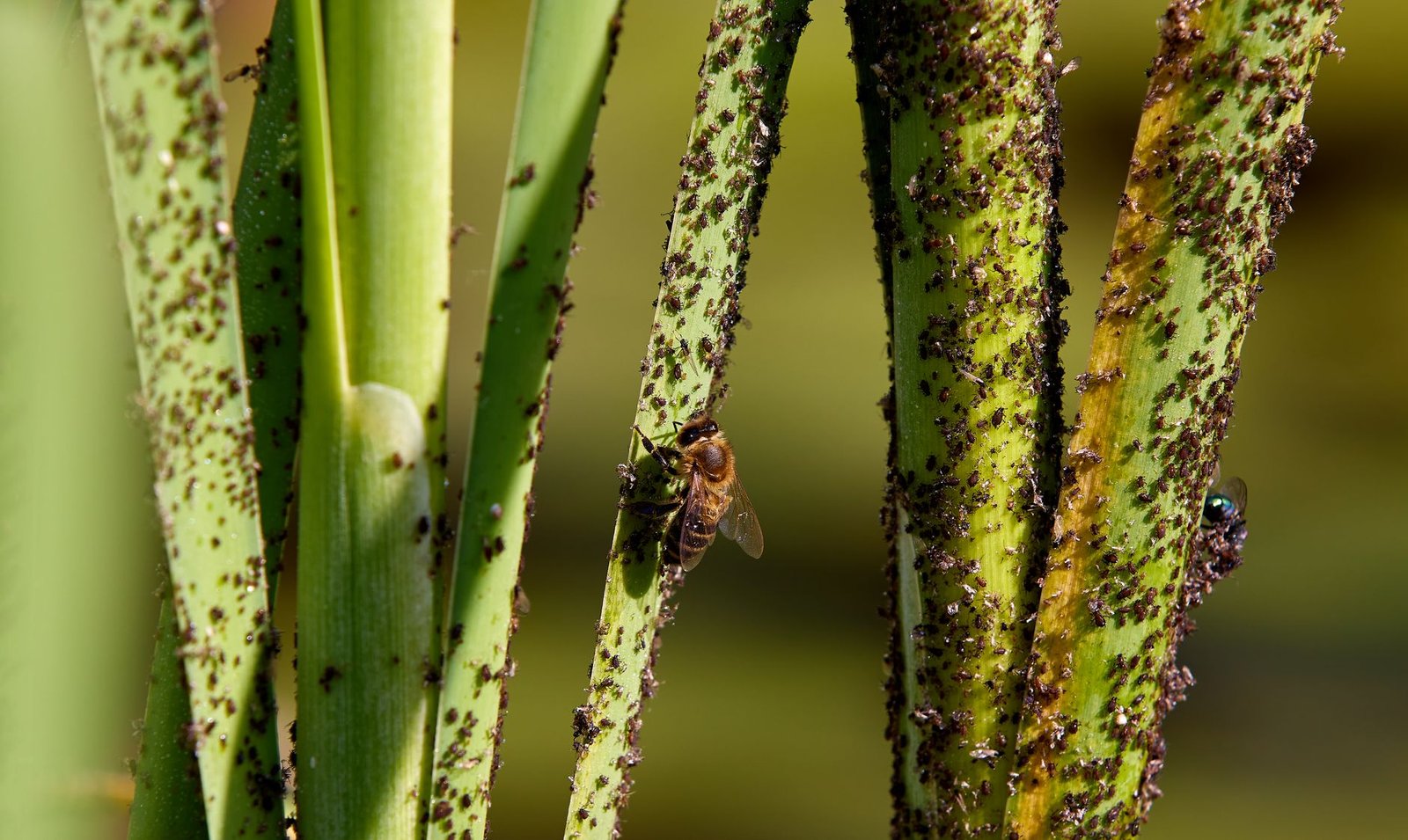
Aphids can quickly devastate a thriving garden, posing a persistent challenge for plant health and aesthetic appeal. Fortunately, highly effective and safe organic pest control methods exist to eliminate these persistent pests and prevent their return, ensuring vibrant, healthy gardens throughout 2026 without the need for harsh chemicals. This article outlines six proven organic strategies, embracing modern horticultural approaches to safeguard botanical investments and promote long-term ecological balance within the cultivated space.
Understanding the Aphid Threat in 2026
Aphids, often referred to as plant lice, are small, soft-bodied insects that feed on plant sap. Their presence is typically signaled by several tell-tale signs: stunted growth, distorted or yellowing leaves, and the tell-tale sticky residue known as honeydew. This honeydew can then lead to the development of sooty mold, further impairing photosynthesis and overall plant vigor. Aphids reproduce rapidly, with some species capable of parthenogenetic reproduction, meaning a single female can produce offspring without mating. This rapid lifecycle necessitates prompt and effective intervention to prevent widespread damage.
In 2026, the demand for sustainable, chemical-free gardening solutions continues its upward trend, driven by increased environmental consciousness and a deeper understanding of long-term soil health. Homeowners and landscape architects are increasingly seeking methods that protect biodiversity, support pollinators, and maintain a safe environment for pets and children. Organic aphid control methods align perfectly with these contemporary values, offering robust solutions that work in harmony with nature rather than against it.
Six Organic Strategies for Aphid Elimination and Prevention
Method 1: Horticultural Oils and Insecticidal Soaps
Horticultural oils and insecticidal soaps are among the most reliable organic tools for aphid management. These products work by suffocating aphids or by disrupting their cell membranes, leading to dehydration and death. Modern, refined horticultural oils available in 2026 are often derived from plant extracts or mineral oils, designed to be safer for beneficial insects when applied correctly and to break down quickly in the environment. Neem oil, a popular botanical insecticide, offers the added benefit of acting as a repellent and growth regulator, interrupting the aphid lifecycle.
Proper application is crucial for efficacy and plant safety. Applications should occur in the early morning or late evening to minimize sun exposure and potential phytotoxicity. The user must ensure complete coverage of affected plant parts, including the undersides of leaves where aphids frequently congregate. Repeated applications may be necessary, especially for severe infestations.
Method 2: Encouraging Beneficial Insects
Nature provides its own army of aphid predators. Encouraging beneficial insects is a cornerstone of organic pest control. Ladybugs, lacewings, hoverflies, and parasitic wasps are natural enemies of aphids, consuming large numbers or laying eggs inside them. Creating an attractive habitat for these predators involves planting a diverse range of flowering plants, particularly those with small, open flowers like dill, fennel, cilantro, and sweet alyssum, which provide nectar and pollen. Avoiding broad-spectrum pesticides is paramount, as these can harm beneficial populations.
For immediate relief from heavy infestations, commercially purchased beneficial insects can be introduced. Advancements in packaging and delivery systems in 2026 mean higher viability rates for these beneficials upon release. The resident should release them according to supplier instructions, typically in the evening, to allow them time to acclimate before seeking out prey.
Method 3: Companion Planting and Repellents
Strategic companion planting is an age-old organic method that leverages plant interactions to deter pests. Certain plants naturally emit compounds that aphids find repulsive or that attract aphid predators. Marigolds, nasturtiums, garlic, chives, and mint are well-known aphid deterrents. Planting these alongside susceptible crops can create a protective barrier. For instance, planting chives around rose bushes or marigolds near vegetable beds can significantly reduce aphid pressure.
Another approach involves using ‘trap crops,’ which are plants aphids prefer more than the desired crop. Nasturtiums, for example, can be planted a short distance from vulnerable plants to draw aphids away. Once the trap crop is heavily infested, it can be removed and disposed of, taking the aphids with it.
Method 4: Targeted Water Blasts
For immediate and gentle physical removal, targeted water blasts are surprisingly effective. A strong stream of water from a garden hose can dislodge aphids from plant stems and leaves. This method is most effective for small to moderate infestations and should be repeated every few days until the aphid population is under control. Care must be taken to adjust water pressure to avoid damaging delicate plants.
Modern smart irrigation systems in 2026 can be programmed to deliver gentle, yet effective, targeted washing routines. These systems optimize water usage while ensuring plants remain clean and free from pests, integrating pest management seamlessly into routine garden maintenance. This method is particularly useful for dislodging aphids from hard-to-reach areas of dense foliage.
Method 5: Organic Barriers and Traps
Physical barriers offer a preventive measure, especially for young or highly susceptible plants. Fine mesh row covers, made from breathable, UV-stabilized materials, can protect seedlings and vegetables from flying aphids while still allowing light and air to pass through. The resident should ensure the edges are securely anchored to prevent aphid access.
Yellow sticky traps are another useful tool, primarily for monitoring aphid populations and providing some level of control. Aphids are attracted to the color yellow and become ensnared on the sticky surface. While non-selective, meaning beneficial insects can also be caught, their strategic placement can help gauge pest pressure. Advancements in 2026 include more biodegradable sticky traps and even pheromone-based lures specifically designed to target certain aphid species, offering more environmentally sound options for monitoring and minor control.
Method 6: Advanced Botanical Extracts and Biological Sprays
Beyond neem, the market for organic pest control includes a growing array of advanced botanical extracts and biological sprays. Pyrethrins, derived from chrysanthemum flowers, offer a rapid knockdown effect against aphids. It is essential to choose formulations that are organically certified and understand that while effective, pyrethrins are broad-spectrum and can affect beneficial insects, making targeted application critical. They break down quickly in sunlight, reducing residual impact.
Insecticidal fungi, such as Beauveria bassiana, are increasingly becoming viable biological control agents. These microscopic fungi infect aphids, leading to their demise. Available in sprayable forms, they are gaining wider accessibility and effectiveness for targeted application in 2026. These biological solutions offer a highly specific and environmentally friendly approach, leveraging natural pathogens to manage pest populations without harming other organisms or the ecosystem.
Proactive Garden Health: Long-Term Aphid Management
Effective aphid control extends beyond immediate eradication; it involves a holistic approach to garden health. Regular inspection of plants is paramount, allowing for early detection of aphid colonies before they proliferate. The diligent gardener should routinely check the undersides of leaves and new growth, where aphids prefer to feed.
Maintaining proper plant nutrition and soil health is fundamental. Healthy, vigorous plants are inherently more resistant to pest attacks. Incorporating organic matter into the soil, utilizing compost, and ensuring balanced fertilization promote strong growth. Over-fertilization, particularly with nitrogen, can lead to lush, soft new growth that aphids find especially appealing, so a balanced approach is key.
Finally, garden sanitation plays a significant role in prevention. Removing infected plant debris, weeding regularly, and pruning appropriately can eliminate hiding spots and overwintering sites for aphids. An integrated pest management (IPM) approach, combining several of these organic strategies, provides the most robust and sustainable solution for long-term aphid management.
By adopting these organic methods, the homeowner not only protects plants from immediate aphid damage but also fosters a resilient, biodiverse garden ecosystem. Embracing these sustainable practices ensures a thriving, chemical-free environment for the entire cultivated space, delivering a naturally beautiful and productive garden in 2026 and for many seasons to come.