
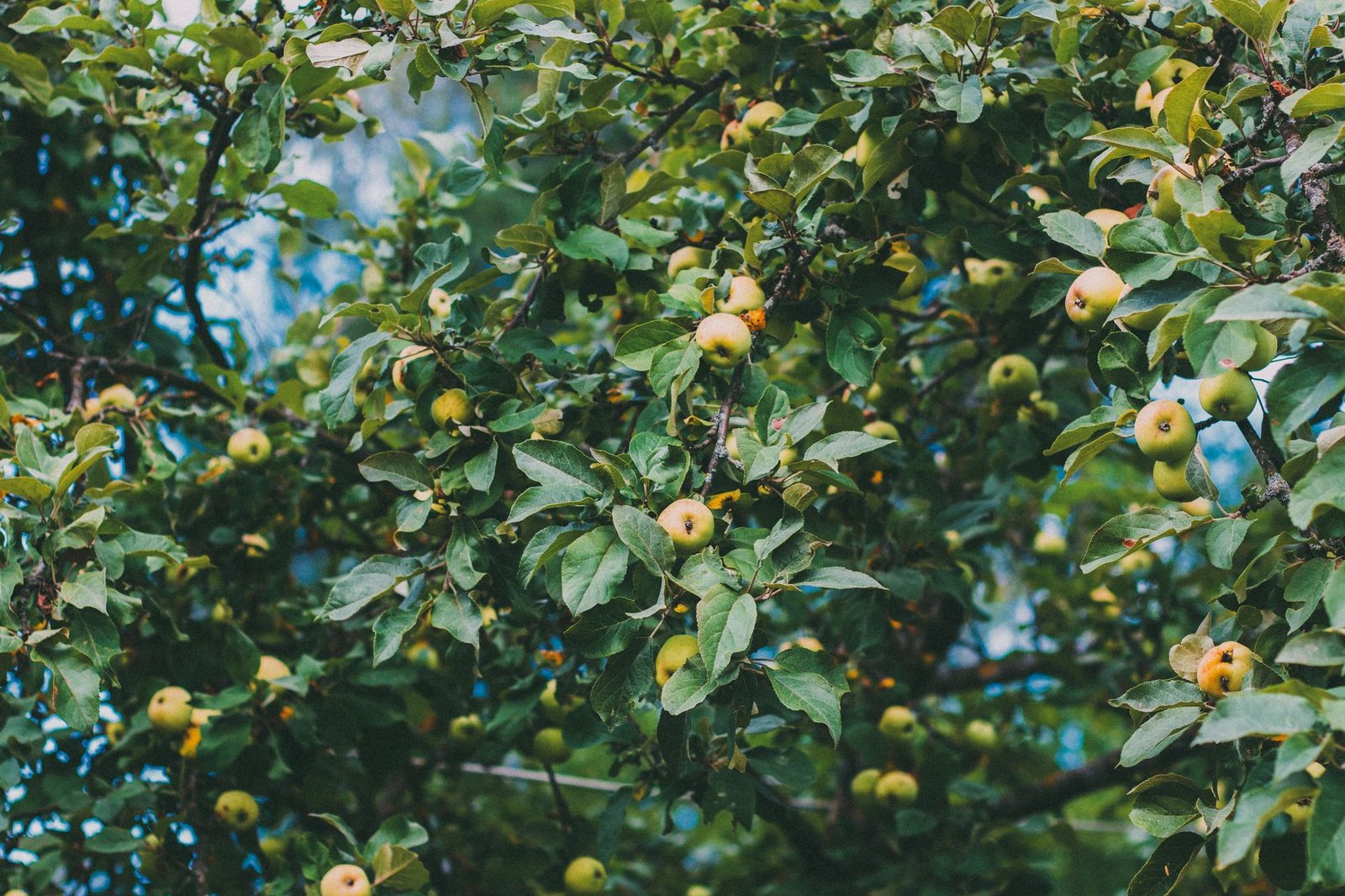
For many residents, the promise of homegrown fruit is a primary motivation for planting fruit trees. However, the disappointment of a barren harvest can be significant. When fruit trees fail to produce expected yields, it often stems from a few common issues. This article explores five primary reasons for non-fruiting fruit trees and provides actionable solutions to encourage bountiful harvests in 2026 and beyond.
Pollination Problems
The Challenge: Inadequate Pollination
Pollination is the cornerstone of fruit production. Without successful transfer of pollen, fruit will not set. Many factors can hinder this vital process, including a lack of effective pollinators like bees, insufficient compatibility between pollen and ovule, or simply planting self-incompatible varieties without a suitable cross-pollinator.
- Lack of Pollinators: Reduced insect populations due to pesticide use, habitat loss, or unfavorable weather can severely impact pollination.
- Self-Incompatibility: Many popular fruit tree varieties, such as certain apple or pear cultivars, require pollen from a different, compatible variety to bear fruit.
- Weather Conditions: Cold, wet, or windy weather during bloom can prevent pollinators from working or wash away pollen.
The Fix: Enhancing Pollination Success
To ensure robust pollination, several strategies can be employed. Introducing native pollinator-friendly plants around fruit trees creates a welcoming habitat for bees and other beneficial insects. Consider planting species rich in nectar and pollen that bloom concurrently with the fruit trees. For residents seeking advanced solutions, smart pollination assistance systems are emerging in 2026, utilizing localized scent emitters or even micro-drone dispersal for targeted pollen distribution in larger orchards, though these are still largely commercial applications. For individual trees, manual pollination can be a short-term solution by transferring pollen with a small brush. When selecting new trees, the homeowner should verify if the chosen variety is self-fertile or requires a cross-pollinator, planting compatible partners within close proximity.
Pruning Practices and Mistakes
The Challenge: Incorrect Pruning Techniques
Pruning is essential for fruit tree health and productivity, yet incorrect methods are a frequent cause of poor fruit set. Removing too much fruiting wood, pruning at the wrong time, or failing to prune altogether can severely impact a tree’s ability to bear fruit.
- Removing Fruiting Wood: Indiscriminate pruning can inadvertently remove the spurs or branches where fruit forms.
- Incorrect Timing: Pruning at the wrong time of year, particularly in late winter or early spring just before flowering, can remove developing flower buds.
- Lack of Pruning: Overcrowded branches can reduce sunlight penetration and air circulation, leading to fewer flowers and lower fruit quality.
The Fix: Mastering Pruning for Production
Understanding when and how to prune is critical. Dormant pruning (late winter) is ideal for shaping the tree and removing dead or diseased wood, while summer pruning (after fruit set) helps manage growth and improve light exposure to ripening fruit. The resident must learn to differentiate between vegetative growth and fruiting wood, such as spurs on apples and pears, or one-year-old wood on peaches and nectarines. Precision pruning tools equipped with AI guidance systems are becoming more accessible in 2026, offering real-time feedback on optimal cuts based on species and desired outcome, significantly reducing common errors. Always aim for an open canopy structure that allows good air and light penetration, encouraging robust flowering and fruit development.
Soil Health and Nutrient Deficiencies
The Challenge: Poor Soil Conditions
The foundation of a healthy fruit tree is healthy soil. Deficiencies in essential nutrients, an imbalanced pH, or compacted soil can all prevent a tree from effectively absorbing what it needs to produce fruit.
- Nutrient Imbalance: Lack of key macronutrients (nitrogen, phosphorus, potassium) or micronutrients (boron, zinc) crucial for flowering and fruiting.
- Incorrect pH: Soil that is too acidic or too alkaline can lock up nutrients, making them unavailable to the tree roots.
- Compaction: Dense, poorly aerated soil hinders root growth and nutrient uptake.
The Fix: Optimizing Soil Health
A comprehensive soil test is the first step, revealing specific nutrient deficiencies and pH levels. Many agricultural extensions offer affordable testing services. Based on results, amendments can be applied: organic compost and aged manure improve overall fertility and structure, while targeted mineral supplements address specific deficiencies. For pH correction, lime can raise acidity, and sulfur can lower it. In 2026, advanced soil sensor networks provide continuous, real-time data on moisture, nutrient levels, and pH directly to a resident’s smart device, enabling highly precise and efficient fertilization schedules. The integration of biochar and mycorrhizal fungi applications continues to gain traction, enhancing soil structure, water retention, and nutrient availability, promoting robust root systems critical for fruit production.
Environmental Stressors
The Challenge: Unfavorable Growing Conditions
Fruit trees are sensitive to their environment. Extreme weather conditions, insufficient sunlight, or inconsistent watering can stress a tree to the point where it dedicates its energy to survival rather than fruit production.
- Late Frosts: Unexpected freezes during bloom can kill delicate flowers, preventing fruit set.
- Inadequate Sunlight: Most fruit trees require at least 6-8 hours of direct sunlight daily to produce fruit. Shady conditions lead to vegetative growth at the expense of fruit.
- Water Stress: Both too little and too much water can inhibit fruit development, especially during critical periods of flowering and fruit swell.
- High Temperatures: Extreme heat can cause flower abortion or fruit drop, particularly in varieties not suited to the local climate.
The Fix: Mitigating Environmental Impact
Protecting trees from environmental extremes is vital. For late frosts, passive frost protection measures such as covering smaller trees with blankets or using overhead irrigation (which freezes and insulates) can be effective. For larger trees, strategically placed fans or even modern localized heating systems are options for commercial growers. Smart irrigation systems linked to hyper-local weather data provide optimal watering, preventing both drought stress and waterlogging. When planting, selecting a site with maximum sun exposure is paramount. For existing trees in less-than-ideal spots, strategic pruning of competing vegetation can increase light penetration. Choosing drought-tolerant and heat-resistant varieties is increasingly important given changing climate patterns in 2026.
Age, Variety, and Chill Hour Requirements
The Challenge: Misunderstood Tree Needs
Sometimes, the lack of fruit isn’t a problem but a natural stage in the tree’s life or a mismatch between the tree’s genetic needs and the local climate. Impatience or overlooking specific varietal requirements can lead to frustration.
- Juvenile Period: Young fruit trees need time to establish before they are mature enough to produce fruit. This can range from 2-3 years for some peaches to 5-10 years for certain apples or pecans.
- Chill Hour Requirements: Many deciduous fruit trees require a specific number of hours below a certain temperature (typically 45°F or 7°C) during dormancy to break bud and flower properly in spring.
- Incompatible Variety: As mentioned with pollination, sometimes the tree simply isn’t suited to the local climate (e.g., a high-chill variety in a warm climate, or vice versa).
The Fix: Patience and Informed Selection
Understanding a tree’s juvenile period is crucial. The resident should research the specific variety’s typical fruiting age and allow adequate time. For chill hour requirements, it is imperative to select varieties explicitly suited to the local climate zone. Detailed information on chill hours for various cultivars is readily available from local agricultural extension offices or reputable nurseries. In 2026, horticultural databases often integrate real-time local climate data, allowing for AI-assisted cultivar selection that optimizes for regional growing conditions and future climate projections. If an existing tree is not bearing fruit due to chill hour mismatch, grafting a compatible variety onto the rootstock or planting a new, suitable tree might be the most effective long-term solution. Patience and careful planning during the selection process are key to future success.
Conclusion
Achieving a bountiful harvest from fruit trees requires a holistic approach, understanding that success hinges on numerous interconnected factors. By systematically addressing potential issues related to pollination, pruning, soil health, environmental protection, and appropriate varietal selection, residents can significantly improve their fruit trees’ productivity. The integration of modern horticultural technologies and a keen understanding of a tree’s specific needs empowers the homeowner to cultivate a thriving, fruit-bearing landscape, transforming disappointment into delicious abundance for 2026 and beyond.