
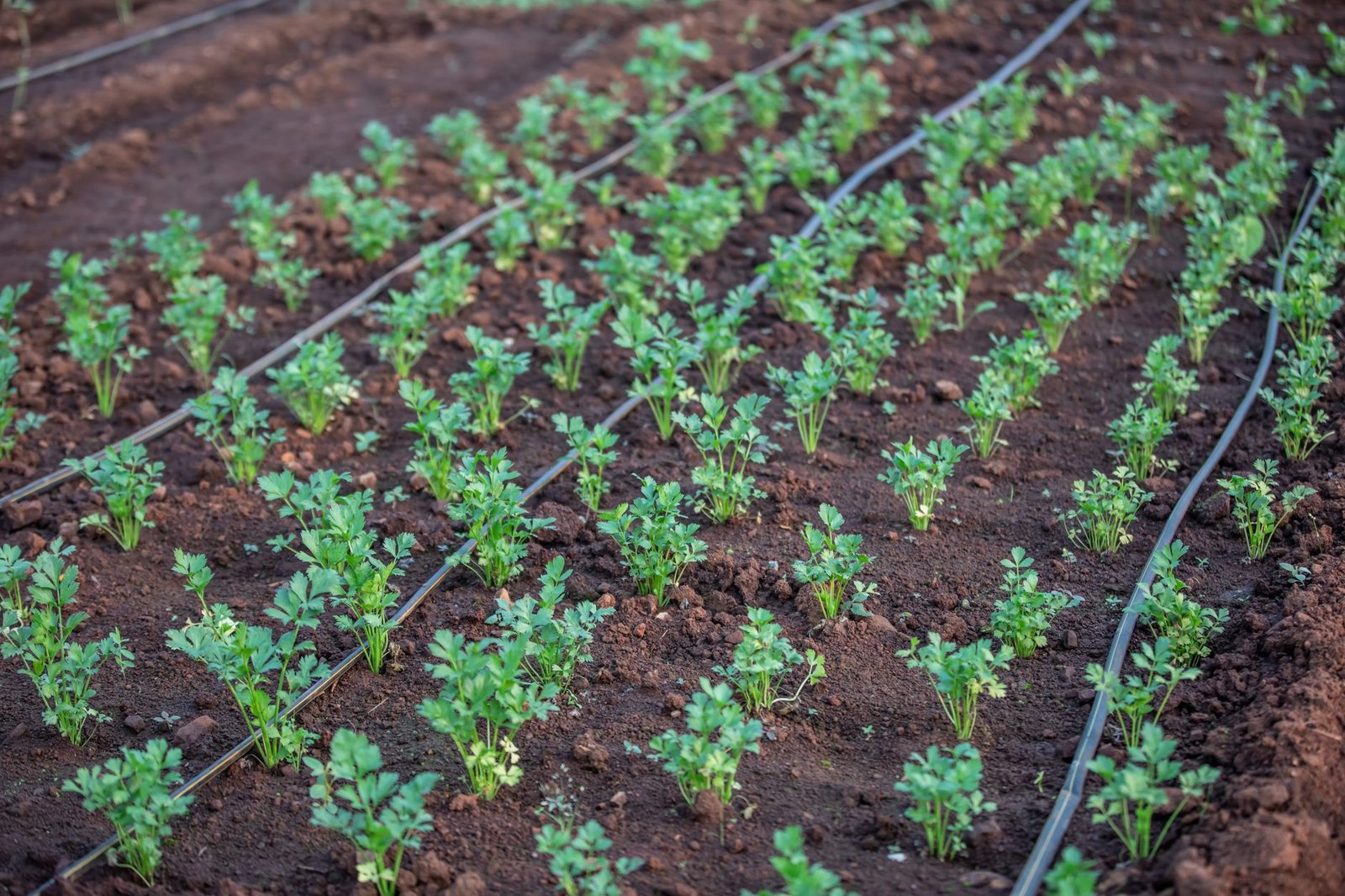
As of 2026, installing an automatic drip irrigation system represents a wise investment for efficient landscape management. The typical cost for an automatic drip irrigation system installation ranges broadly, from approximately $300 to $1,500 for DIY projects on smaller gardens, up to $2,500 to $6,000 or more for professional installations on larger, more complex landscapes. This investment reflects not only the initial outlay but also significant long-term savings in water consumption and maintenance, driven by advanced technologies and sustainable material developments.
Drip irrigation systems are renowned for their water efficiency, delivering water directly to the plant root zone, thereby minimizing evaporation and runoff. For homeowners seeking optimal plant health, reduced water bills, and enhanced landscape aesthetics, understanding the cost implications in the current year is crucial. This detailed analysis explores the various factors influencing installation expenses, offers a breakdown by garden size, compares DIY versus professional options, and highlights the substantial return on investment.
Understanding the Cost Factors for Drip Irrigation Systems
The total expense of an automatic drip irrigation system installation is a mosaic of several contributing elements. These factors dictate the initial investment and should be carefully considered during the planning phase.
Garden Size and Landscape Complexity
- Small Gardens or Raised Beds (up to 300 sq ft): These typically require fewer components and simpler designs, making them ideal for cost-effective DIY solutions.
- Medium Residential Landscapes (300-1,500 sq ft): Involving multiple zones, diverse plant types, and varied terrain, these projects often necessitate more extensive planning and a greater number of emitters, tubing, and control valves.
- Large Estates or Complex Commercial Landscapes (1,500+ sq ft): These demand sophisticated design, multiple controllers, extensive piping networks, and potentially specialized equipment like pressure-compensating emitters and subsurface drip lines. The integration of smart home systems for extensive properties is also a common requirement in 2026.
System Components and Technology
The selection of components significantly impacts cost. A basic system includes tubing, emitters, a pressure regulator, a filter, and a timer. Modern systems in 2026 often incorporate advanced elements:
- Smart Controllers: Equipped with Wi-Fi connectivity, AI-driven scheduling, and weather-sensing capabilities, these units optimize watering schedules, leading to substantial water savings. Prices for these advanced controllers have become more accessible, ranging from $100 to $400.
- Pressure-Compensating Emitters: Essential for landscapes with varying elevations, these ensure uniform water delivery across the entire system.
- Subsurface Drip Irrigation (SDI) Tubing: Buried beneath the soil, SDI reduces water loss to evaporation and is increasingly popular for its aesthetic appeal and efficiency, though it may involve higher material and installation costs.
- Sensors: Soil moisture sensors and rain sensors further enhance efficiency by preventing unnecessary watering cycles.
Material Quality and Innovation in 2026
The year 2026 sees a continued push towards sustainability and durability in irrigation materials:
- Recycled Polymer Tubing: Increasingly common, offering an eco-friendly option without compromising performance.
- Bio-Based and Biodegradable Components: Emerging in specialized applications, though still at a premium.
- UV-Resistant and Durable Plastics: Standard for most quality components, ensuring longevity in diverse climates.
- Modular System Designs: Allowing for easier expansion and repair, reducing long-term maintenance costs.
Water Source and Pressure Considerations
The existing water pressure and source (municipal, well, rainwater harvesting) can influence system design. Low pressure may necessitate a booster pump, adding to the expense. Integration with modern rainwater harvesting systems, a growing trend in 2026, can reduce reliance on municipal water but requires careful system design.
DIY vs. Professional Drip Irrigation Installation Costs
The choice between a do-it-yourself (DIY) approach and professional installation is a primary cost determinant.
DIY Installation
For the resident with basic plumbing skills and sufficient time, DIY installation can significantly reduce labor costs. The primary expenses will be materials and tools.
- Material Costs: For a small to medium-sized garden (e.g., 500 sq ft), material kits can range from $300 to $800. Larger DIY systems might see material costs climb to $1,500 or more, depending on component quality and system complexity.
- Tools: Basic tools like a utility knife, hole punch, and pipe cutters are usually sufficient. Specialized tools might be required for more advanced systems, adding a nominal amount.
- Time Investment: While saving on labor, a DIY project requires a significant time commitment for planning, purchasing, and installation, which can vary from a weekend for a small garden to several days for a larger area.
2026 DIY Trend: The market offers an abundance of user-friendly modular kits and online tutorials, making DIY installation more accessible than ever. Augmented reality (AR) apps are increasingly available to assist with layout planning.
Professional Installation
Opting for professional installation ensures a correctly designed and efficiently installed system, particularly beneficial for complex landscapes or where the homeowner lacks experience.
- Labor Costs: This is the most substantial component, often ranging from $50 to $100 per hour, depending on location and the contractor’s expertise. A professional crew can complete installations much faster than a DIY approach.
- Design and Consultation Fees: Many professionals include system design as part of their service. A custom design ensures optimal water delivery and efficiency.
- Material Markups: Contractors typically purchase materials at wholesale prices but add a markup, which is factored into the total cost.
- Warranty and Support: Professional installations often come with warranties on labor and materials, providing peace of mind and long-term support.
Overall Professional Cost: For a medium-sized residential landscape (1,000 sq ft), professional installation might cost between $1,500 and $3,500. For larger, more intricate systems spanning 2,000+ sq ft, costs could easily range from $4,000 to $6,000 or exceed $8,000, especially with integrated smart home features and extensive subsurface work.
Estimated Cost Breakdown by Garden Size (2026 Projections)
Small Gardens & Raised Beds (100-300 sq ft)
- DIY: Materials typically range from $250 – $600.
- Professional: Expect costs between $700 – $1,500, including labor and basic components.
Medium Residential Landscapes (500-1,500 sq ft)
- DIY: Material costs can range from $600 – $1,500, depending on component quality and system complexity (e.g., multiple zones, smart controller).
- Professional: Costs generally fall between $1,800 – $3,800. This range accounts for diverse landscape features, potentially multiple zones, and the integration of smart irrigation technology.
Large Properties & Complex Designs (2,000+ sq ft)
- DIY: While possible, a DIY approach for this scale often involves significant time and expertise. Material costs alone could be $1,500 – $4,000+.
- Professional: Expect costs from $4,000 – $8,000+. This category often includes advanced features like subsurface irrigation, extensive zoning, integration with home automation systems, and custom landscape design.
Long-Term Savings and Return on Investment
While the initial installation cost is a consideration, the long-term benefits of an automatic drip irrigation system offer a compelling return on investment.
- Water Bill Reduction: Drip systems are significantly more efficient than traditional sprinklers, reducing water waste by up to 50%. This translates into substantial savings on monthly water bills, particularly in regions with high water costs or drought restrictions. Smart controllers amplify these savings by fine-tuning water delivery based on real-time weather and plant needs.
- Plant Health and Longevity: Precise watering reduces plant stress, minimizes fungal diseases, and promotes deeper root growth. This results in healthier, more vibrant landscapes and reduces the need for costly plant replacements.
- Time Savings: Eliminating the need for manual watering frees up considerable time for the homeowner, allowing for more enjoyment of the landscape rather than its maintenance.
- Increased Property Value: A well-maintained, water-efficient landscape can enhance curb appeal and increase overall property value. Buyers in 2026 are increasingly valuing sustainable and low-maintenance home features.
- Environmental Impact: Beyond personal savings, reduced water consumption contributes to environmental conservation efforts, aligning with modern ecological values.
2026 Trends and Innovations in Drip Irrigation
The landscape of drip irrigation technology continues to evolve, with 2026 seeing several key trends solidify:
- AI-Powered Smart Controllers: These systems leverage artificial intelligence to analyze weather forecasts, soil moisture levels, and plant-specific requirements, optimizing water usage with unparalleled precision. Integration with broader smart home ecosystems is now standard.
- Hyper-Local Weather Data Integration: Rather than relying on regional forecasts, advanced systems use hyper-local data from personal weather stations or highly localized satellite imagery to make watering decisions.
- Enhanced Durability and Recyclability: Manufacturers are focusing on producing components that not only last longer but are also easier to recycle at the end of their lifecycle, supporting a circular economy.
- Plug-and-Play Modular Systems: Simplifying installation and maintenance, these systems allow users to easily expand or modify their setups without professional help.
- Water Quality Management: More sophisticated filtration systems are becoming standard to handle diverse water sources, preventing clogs and extending system lifespan.
Conclusion
The decision to install an automatic drip irrigation system in 2026 is an investment in both the aesthetic and ecological health of a property. While initial costs vary significantly based on garden size, system complexity, and installation method, the long-term benefits of water conservation, reduced maintenance, and superior plant health offer a compelling return. Whether opting for a hands-on DIY approach with modern modular kits or entrusting a professional with a sophisticated smart system, careful planning and consideration of 2026’s technological advancements will ensure a thriving, efficient, and beautiful landscape for years to come.