
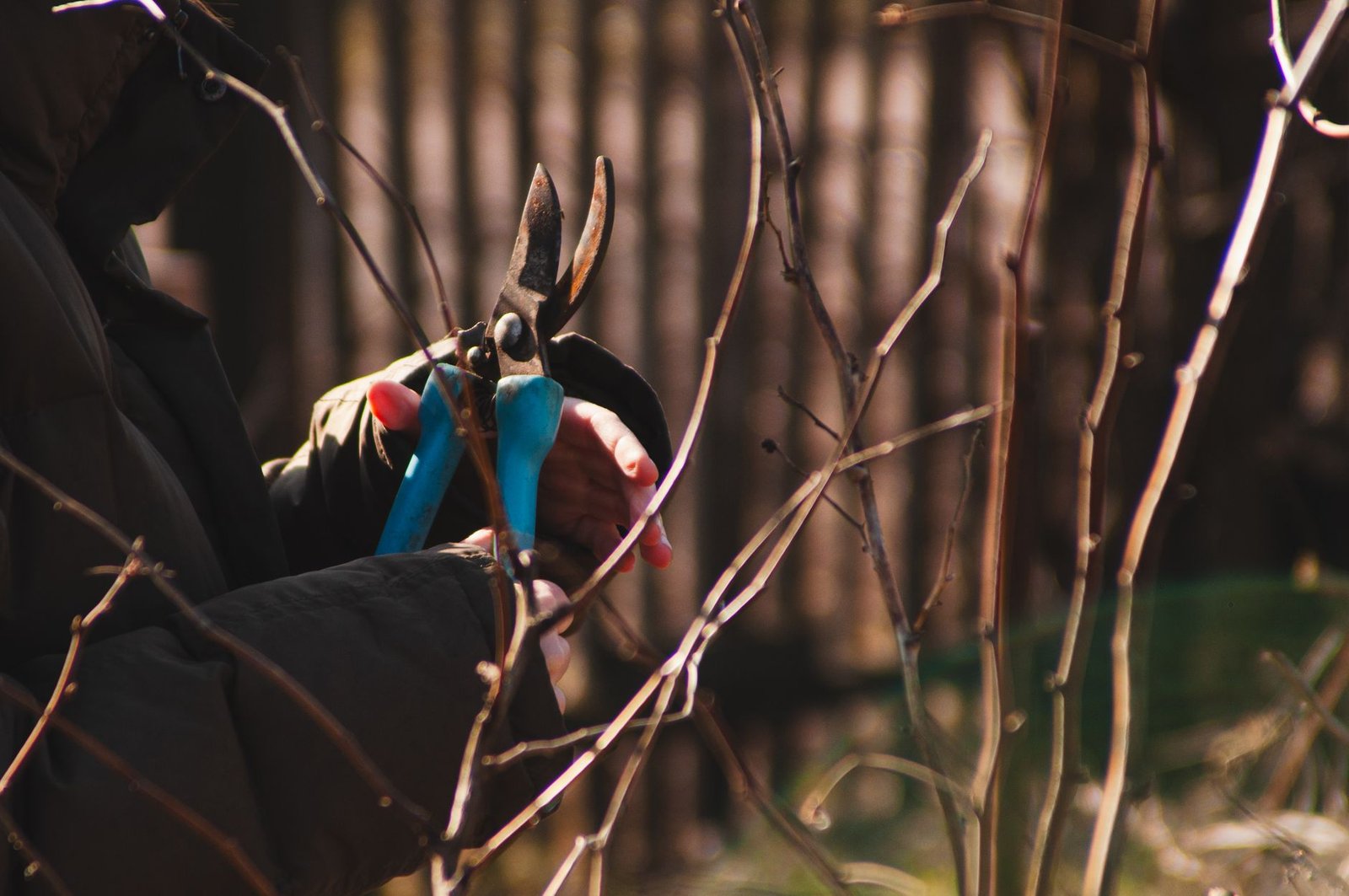
The meticulous art and science of pruning form the cornerstone of exceptional landscape design and long-term plant health. For premium ornamental trees and shrubbery, systematic pruning is not merely about aesthetic appeal; it is a critical practice for maintaining structural integrity, promoting robust seasonal development, and extending the lifespan of valuable specimens. As horticultural practices evolve, especially heading into 2026, understanding advanced methodologies, incorporating sustainable approaches, and leveraging modern tool developments becomes indispensable for the discerning homeowner or landscape professional. This guide delves into the essential techniques that ensure a landscape thrives with unparalleled vitality and form, emphasizing precision and informed decision-making.
Foundational Pruning Principles
Understanding Plant Anatomy and Growth Habits
Effective pruning begins with a thorough understanding of plant physiology. Each cut influences the plant’s growth hormones, directing energy and resources to specific areas. The user must recognize key elements such as nodes, internodes, buds (apical, lateral, adventitious), and the growth collar. Different species exhibit distinct growth habits—some are apical dominant, growing primarily upwards from the terminal bud, while others branch more readily from lateral buds. Recognizing these inherent tendencies allows for strategic cuts that either encourage verticality, promote bushiness, or maintain a specific form. An awareness of the plant’s natural mature size and shape is paramount, enabling cuts that guide rather than force its development.
Timing is Everything: Seasonal Considerations
The timing of pruning operations significantly impacts their outcome. Incorrect timing can weaken a plant, reduce flowering, or invite disease. Generally, pruning falls into a few key seasonal windows:
- Dormant Pruning (Late Winter/Early Spring): This is the most common time for structural pruning of deciduous trees and many shrubs. With no leaves, the plant structure is clearly visible, and the lack of foliage minimizes stress. This timing promotes vigorous new growth in the spring.
- Summer Pruning (Late Spring/Early Summer): Often used to curb excessive growth, maintain size, or encourage fruit bud formation on certain species. Light shaping or removal of water sprouts and suckers is also effective during this period. Over-pruning in summer can stunt growth or expose bark to sunburn.
- Post-Bloom Pruning: For spring-flowering shrubs and trees (e.g., lilacs, forsythia, dogwood), pruning immediately after flowering ensures that next year’s flower buds, which form on old wood, are not removed.
- Emergency Pruning: Dead, diseased, or damaged limbs should be removed immediately, regardless of the season, to prevent further issues or hazards.
Mechanical Techniques for Structural Integrity
The Three Ds: Dead, Diseased, Damaged
The initial step in any pruning regimen is the removal of the “Three Ds.” Dead wood harbors pests and diseases and offers no physiological benefit to the plant. Diseased branches, if not removed promptly and cleanly, can spread pathogens throughout the specimen and to neighboring plants. Damaged limbs, resulting from weather events or physical impact, present entry points for pests and pathogens and can pose safety risks. All such material must be excised with clean, sharp tools, ensuring cuts are made into healthy wood, typically just beyond the branch collar, to facilitate proper wound closure.
Thinning Cuts vs. Heading Cuts
Understanding the distinction between thinning and heading cuts is fundamental to controlling plant growth and form:
- Thinning Cuts: Involve removing an entire branch back to its point of origin (main stem, larger branch, or ground). These cuts open the plant’s canopy, improve air circulation and light penetration, and reduce overall size without stimulating excessive regrowth. They maintain the plant’s natural shape and encourage growth from dormant buds closer to the center of the plant.
- Heading Cuts: Involve cutting back a branch or stem to a lateral bud, side branch, or arbitrary point. These cuts stimulate vigorous growth from the buds immediately below the cut, resulting in a denser, bushier appearance. While useful for creating hedges or shaping, excessive heading can lead to unnatural growth patterns and weak attachments. Careful consideration of bud orientation is crucial to direct future growth appropriately.
Crown Reduction and Raising
For mature trees, specific techniques address overarching structural goals. Crown reduction aims to reduce the tree’s overall height and spread while maintaining its natural form. This is achieved by cutting back large branches to smaller, strong lateral branches that can assume the terminal role. It reduces stress on the tree, minimizes the risk of storm damage, and can alleviate conflicts with infrastructure. Crown raising involves removing lower branches to increase clearance beneath the canopy. This technique improves visibility, allows for easier pedestrian or vehicular access, and enhances light penetration to understory plantings. Both methods require precise cuts that respect the branch collar and avoid creating large wounds that struggle to compartmentalize.
Espalier and Topiary: Advanced Structural Forms
For homeowners seeking highly stylized landscapes, techniques like espalier and topiary offer intricate structural control. Espalier involves training trees or shrubs to grow flat against a wall or trellis in a formal pattern, demanding continuous, precise pruning to maintain the desired two-dimensional form. Topiary, the art of shaping plants into decorative forms, relies on frequent, careful shearing to encourage dense outer growth and reveal sculptural silhouettes. These specialized methods require an understanding of plant response and commitment to ongoing maintenance.
Stimulating Healthy Seasonal Development & 2026 Innovations
Encouraging Bloom and Fruit Production
Strategic pruning can significantly influence a plant’s reproductive cycles. For many flowering shrubs and trees, careful thinning can redirect energy to fewer, stronger flower buds, resulting in larger, more abundant blooms. Removing spent flowers (deadheading) prevents seed formation, which often encourages the plant to produce more flowers or to initiate a second flush of blooms. For fruit-bearing plants, pruning aims to balance vegetative growth with fruit production, ensuring adequate light and air circulation reach developing fruits, leading to better quality and yield. The resident should research the specific fruiting habits of each plant to optimize their pruning strategy.
Modern Tooling and Equipment for 2026
The landscape industry continues to embrace innovation, with 2026 seeing further advancements in pruning technology. Ergonomic design is paramount, reducing user fatigue and improving safety. Lightweight yet incredibly strong materials, such as carbon-fiber composites, are increasingly integrated into handles of hand pruners and loppers. Battery-powered tools, specifically those featuring advanced brushless motors and high-capacity lithium-ion cells, offer superior power, longer run times, and reduced noise compared to their gas-powered predecessors. Precision shears with antimicrobial coatings are becoming standard, minimizing disease transmission between plants. Emerging trends include integrated sensors for larger, commercial-grade equipment that can assess branch density and optimal cut locations, hinting at AI-assisted diagnostics for highly valuable specimens, though widespread homeowner application is still developing. Bluetooth-enabled tools are also gaining traction, allowing for usage tracking and maintenance reminders.
Sustainable Pruning Practices
Sustainability is a core tenet of modern landscaping. This includes meticulous tool sanitation to prevent the spread of diseases, especially when moving between different plant species or properties. Pruning waste can be chipped and used as mulch, returning organic matter to the soil and reducing landfill burden. For larger projects, some services now offer mobile biomass processing units. Furthermore, understanding the plant’s natural resilience and avoiding excessive pruning reduces stress, contributing to a healthier ecosystem. The homeowner’s commitment to these practices ensures not only beautiful plants but also a responsible stewardship of the environment.
Post-Pruning Care and Long-Term Maintenance
Wound Care and Disease Prevention
Proper pruning techniques aim to create small, clean wounds that heal quickly. The branch collar, a swollen area at the base of a branch, contains specialized cells that aid in wound compartmentalization (sealing off the wound). Cuts should be made just outside this collar, avoiding flush cuts that damage this critical tissue. The use of pruning sealers is generally discouraged as they can trap moisture and pathogens, hindering natural healing processes. Instead, focus on clean cuts and tool sanitation. Regularly inspecting pruned areas for signs of stress, disease, or pest infestation is crucial for early intervention.
Fertilization and Irrigation
Following significant pruning, plants often experience a growth spurt as energy is redirected. Supporting this new growth with appropriate nutrition and adequate hydration is essential. Soil testing can guide precise fertilization, ensuring the plant receives the necessary macro and micronutrients. Consistent, deep watering, especially during dry periods, helps the plant recover and establish new tissues efficiently. The resident should monitor the plant’s response to pruning and adjust care routines as needed to promote vigorous, healthy development.
Mastering the methodologies of precision pruning transforms ornamental trees and shrubbery from mere landscape elements into living sculptures. By understanding plant biology, applying mechanical techniques with finesse, and embracing the innovations of 2026, the homeowner or landscape professional can cultivate a resilient, aesthetically superior landscape. This deliberate approach ensures not only the immediate beauty of the garden but also its enduring health and structural integrity for years to come.