
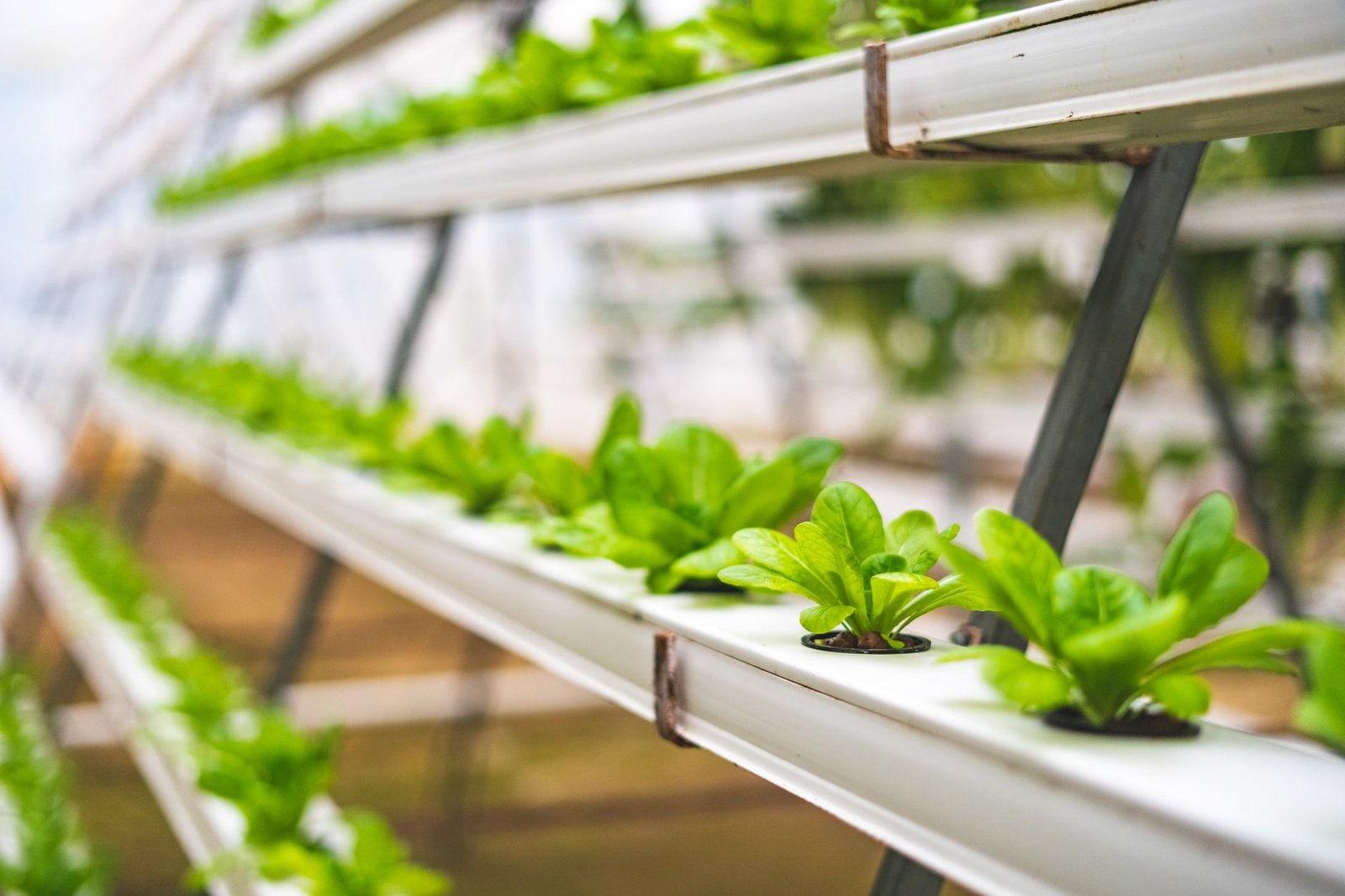
The aspiration for sustained, high-yield hydroponic cultivation within the domestic greenhouse environment continues to gain momentum. As of 2026, advancements in horticultural technology and material science offer unprecedented opportunities for the resident seeking to maximize botanical output and efficiency. Achieving consistent, abundant harvests hinges upon a meticulous approach to three core pillars: nutrient solution balance, precision light cycle management, and robust environmental cultivation infrastructure. This article explores the cutting-edge strategies and modern developments empowering the contemporary hydroponic enthusiast.
Nutrient Solution Mastery for Peak Performance
The lifeblood of any hydroponic system is its nutrient solution. Ensuring an optimal balance of essential elements is paramount for robust plant growth and maximal yield. Plants require macro-nutrients and micro-nutrients in specific ratios, and deviations can lead to stunted growth or deficiency symptoms.
Balancing Essential Elements
Macro-nutrients form the foundational building blocks for plant development, typically including:
- Nitrogen (N): Essential for vegetative growth and chlorophyll production.
- Phosphorus (P): Crucial for energy transfer, root development, and flowering.
- Potassium (K): Supports overall plant vigor, water regulation, and fruit development.
- Calcium (Ca): Important for cell wall structure and nutrient transport.
- Magnesium (Mg): A key component of chlorophyll.
- Sulfur (S): Involved in protein synthesis and enzyme activity.
Micro-nutrients, while needed in smaller quantities, are equally vital for specific physiological functions, encompassing elements such as iron (Fe), manganese (Mn), zinc (Zn), boron (B), copper (Cu), molybdenum (Mo), and chlorine (Cl). Modern formulations, often chelated, ensure these elements remain bioavailable across a wider pH range. For high-yield systems, a slightly higher concentration of specific nutrients may be beneficial during fruiting or flowering stages, necessitating a dynamic feeding schedule.
Monitoring and Automation in 2026
The year 2026 brings sophisticated tools for nutrient management. Advanced multi-spectral sensors can now provide real-time data on individual nutrient uptake patterns, allowing for hyper-targeted adjustments. AI-driven dosing systems, connected to these sensors, autonomously maintain ideal pH and Electrical Conductivity (EC) levels, dispensing precise amounts of nutrient concentrates as needed. This eliminates manual intervention and reduces the risk of human error. Closed-loop hydroponic systems, which recirculate nutrient solution, significantly reduce water and fertilizer waste, aligning with sustainable practices. Regular calibration of sensors and periodic laboratory analysis of the solution remain best practices to verify system accuracy and detect unforeseen imbalances.
Precision Light Cycle Management
Light is the engine of photosynthesis, and its quality, intensity, and duration directly influence plant growth and yield. Effective light cycle management is critical for optimizing the energy conversion within the domestic greenhouse.
The Spectrum of Success
In 2026, the dominance of LED technology continues, but with significant enhancements. Full-spectrum tunable LEDs are now widely accessible, allowing the user to precisely adjust wavelengths (e.g., increased red light for flowering, more blue for vegetative growth) to match specific plant needs and growth stages. These advanced fixtures often feature independent control over various spectral bands, ensuring plants receive the optimal photonic energy for every phase of their life cycle. Research indicates that specific light recipes can boost secondary metabolite production, enhancing flavor and nutritional value.
Dynamic Photoperiods and Energy Efficiency
Beyond spectrum, managing the photoperiod – the duration of light exposure – is crucial. Smart controllers utilize adaptive lighting algorithms, which can dynamically adjust light intensity and duration based on natural daylight ingress and plant response data. This not only optimizes growth but also maximizes energy efficiency. Innovations in solar integration, particularly highly efficient perovskite solar cells, are becoming more common for powering supplemental grow lights, further reducing operational costs and carbon footprints for the resident. Scheduling appropriate dark periods is equally important, as plants require darkness for crucial metabolic processes like respiration and flowering signal transduction.
Advanced Environmental Cultivation Infrastructure
The physical environment of the domestic greenhouse plays a pivotal role in maintaining consistent conditions conducive to high yields. Infrastructure developments in 2026 focus on intelligent design, advanced materials, and integrated climate control.
Greenhouse Design & Material Innovation
Modern domestic greenhouses are evolving beyond simple glass structures. Electrochromic smart glass, which can dynamically tint to manage solar gain and glare, is becoming more prevalent, offering passive climate control. Aerogel insulation, providing superior thermal efficiency with minimal thickness, helps maintain stable temperatures year-round, reducing heating and cooling costs. Modular greenhouse designs, often incorporating lightweight, durable bioplastics and recycled composites, allow for easier expansion and customization. Vertical integration within smaller domestic spaces is also gaining traction, utilizing multi-tiered systems to maximize growing area per square foot.
Climate Control & Air Quality
Precise temperature and humidity regulation are non-negotiable for high-yield hydroponics. Integrated smart HVAC systems, often connected to a central IoT platform, provide granular control, anticipating environmental shifts before they impact plant health. CO2 enrichment systems, essential for boosting photosynthetic rates in sealed or semi-sealed environments, are more efficiently managed with automated sensors and precise dosing. Air circulation, facilitated by oscillating fans and intelligent ventilation, prevents stagnant air pockets, which can lead to fungal diseases, and ensures even distribution of CO2 and temperature. Sophisticated air filtration systems remove pathogens and pests, contributing to a cleaner, healthier growing environment.
Integrated Systems for Sustainable Yields
The modern domestic greenhouse is increasingly viewed as a holistic, interconnected ecosystem. Advanced water recycling systems, particularly those employing reverse osmosis and UV sterilization, ensure nutrient solution is reused efficiently, minimizing water consumption. IoT platforms now integrate all aspects of the hydroponic system – nutrient delivery, lighting, climate control, and monitoring – into a single, user-friendly interface. This allows for remote management and data-driven decision-making, enabling the homeowner to optimize conditions from anywhere. Predictive analytics, powered by machine learning, can forecast potential issues, such as nutrient deficiencies or pest outbreaks, allowing for proactive intervention. The synergy of these integrated systems creates a resilient and highly productive environment, ensuring sustained high yields and a superior cultivation experience.
The future of domestic hydroponics in 2026 is characterized by intelligence, efficiency, and sustainability. By mastering nutrient solution balance, meticulously managing light cycles, and leveraging advanced environmental infrastructure, residents can transform their greenhouses into high-performing botanical powerhouses. The integration of smart technologies, coupled with a deep understanding of plant physiology, empowers the user to achieve unprecedented levels of productivity and enjoyment from their home cultivation endeavors.