
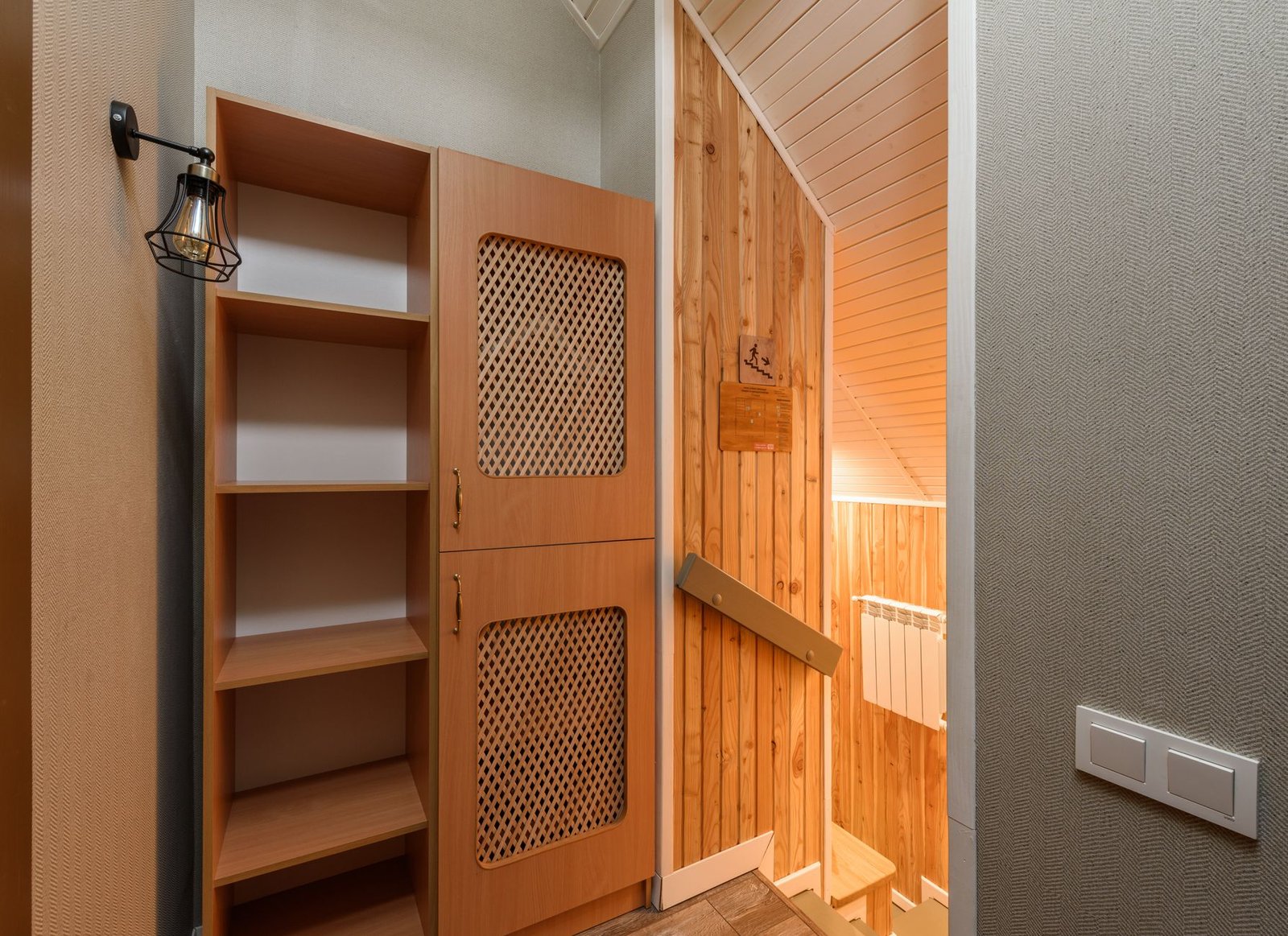
Small living rooms often present significant storage challenges, frequently leading to clutter and diminished functionality. For these compact spaces, **vertical design hacks** offer highly effective solutions for maximizing usable area and reducing visual noise, perfectly aligning with 2026 design aesthetics that prioritize efficiency and sophisticated minimalism. This strategic approach transforms often-overlooked wall space into prime storage real estate, creating a more organized and expansive feel.
Leveraging Verticality: The Core Principle
The fundamental challenge in compact living areas lies in finite floor space. Traditional storage solutions often consume valuable floor area, making rooms feel cramped and less inviting. The innovative solution lies in shifting the design focus upwards, utilizing the often-underestimated vertical plane of a room. By extending storage solutions from floor to ceiling, residents can reclaim substantial square footage that would otherwise remain unused.
Vertical design is not merely about stacking items; it is a strategic approach that involves integrating storage seamlessly into the architectural framework. This method not only provides immense practical utility but also significantly contributes to a more expansive visual perception of the room. The deliberate placement of vertical elements can effectively draw the eye upwards, enhancing the sense of height and openness within the living space, a key aspect of modern design principles.
Innovative Vertical Storage Solutions for 2026
Modular Wall Systems: The Future of Flexibility
For 2026, **modular wall systems** stand out as a premier vertical storage solution. These highly adaptable units allow for bespoke configurations, seamlessly integrating shelving, cabinetry, and even discreet work surfaces. Modern iterations often feature lightweight, sustainable materials such as recycled aluminum composites, matte black powder-coated steel, and engineered wood with low-VOC finishes. Some advanced systems incorporate **smart glass panels** that can transition from opaque to transparent, offering privacy or display options at the touch of a button. The resident can customize these versatile systems to house media, books, decorative items, and even pull-out drawers for concealed storage, ensuring every item has its designated place.
Floating Shelves and Integrated Built-ins
Floating shelves remain a timeless vertical solution, particularly effective for maintaining an airy aesthetic. In 2026, the trend leans towards thicker, more robust floating shelves crafted from sustainable hardwoods or recycled composites, often featuring integrated LED lighting that casts a soft glow on displayed items. **Bespoke built-in units** are gaining significant prominence, meticulously designed to fit specific wall dimensions and architectural nuances. These custom solutions can incorporate hidden compartments, fold-down tables, or even integrated pet-friendly nooks, maximizing every inch of available space while appearing as an organic part of the original structure.
Vertical Gardens and Biophilic Walls with Integrated Storage
Embracing biophilic design principles, vertical gardens and living walls are no longer solely decorative. Contemporary designs for 2026 seamlessly integrate discreet shelving or small compartments within these lush installations. This allows the homeowner to combine the aesthetic and air-purifying benefits of plants with practical storage for small items, blurring the lines between nature and utility. Materials often include recycled plastics for the plant modules and moisture-resistant composite panels for any integrated storage components, promoting both beauty and eco-consciousness.
Tall, Slim Furniture with Multi-functional Design
When selecting freestanding furniture, the emphasis shifts to **tall, slim profiles** that occupy minimal floor space. Narrow bookcases, etageres, and display cabinets reaching towards the ceiling offer significant storage capacity without overwhelming a small room. For 2026, manufacturers are incorporating innovative features such as revolving sections, hidden pull-out storage, and integrated wireless charging surfaces within these vertical pieces, significantly enhancing their multi-functionality. Materials favored include sustainably sourced bamboo, polished concrete composites, and lightweight metal frames, reflecting a commitment to both style and durability.
Over-the-Door and Overhead Solutions
Often overlooked, the space above doorways and windows presents untapped vertical potential. Custom built-in shelving or shallow cabinets spanning these areas can discreetly store less frequently used items, keeping them accessible yet out of sight. Similarly, **overhead storage solutions**, such as integrated valances above windows that double as shallow shelving or display areas, contribute to efficient space utilization without obstructing views or natural light. These solutions are often custom-fabricated to match existing millwork, ensuring a cohesive and integrated look that enhances the room’s overall design.
Integrating Aesthetics and Functionality
Harmonizing with 2026 Design Aesthetics
Successful vertical storage in 2026 blends seamlessly with modern interior aesthetics. **Clean lines, minimalist forms, and thoughtful material choices** are paramount. Light-colored finishes, such as bleached oak, matte white, and soft greys, help reflect natural and artificial light, thereby expanding the visual perception of space. Reflective surfaces, like polished chrome or subtle mirrored accents, can further amplify light and create an illusion of depth. The prevalent use of **natural textures**—think woven rattan baskets nestled within shelves or stone-look composite panels—adds warmth and organic appeal without contributing to visual clutter.
Strategic Lighting and Visual Curation
Integrated lighting plays a vital role in elevating vertical storage. **Recessed LED strips** along shelves or inside cabinets not only illuminate contents but also add an ambient glow, drawing attention to curated displays. Thoughtful curation is key; the resident should avoid overfilling shelves. Instead, a balanced mix of books, art objects, and a few personal mementos creates visual interest while maintaining an uncluttered appearance. Negative space around items is just as important as the items themselves in achieving a sophisticated and harmonious look.
Smart Integration for Enhanced Living
The concept of smart living extends seamlessly to vertical storage in 2026. This includes **integrated charging stations** conveniently built into shelves, discreet cable management systems for electronics, and even voice-activated lighting for display units. Some advanced modular systems feature smart sensors that can track inventory or adjust lighting based on ambient conditions, offering an unparalleled level of convenience and sophistication to the resident’s daily routine, truly defining modern comfort.
Sustainable and Adaptable Vertical Living
Beyond immediate aesthetic and functional benefits, vertical storage solutions for 2026 emphasize **sustainability and long-term adaptability**. The preference for durable, eco-friendly materials such as reclaimed wood, recycled composites, and bamboo ensures a lower environmental footprint. Residents are increasingly seeking solutions that are not only stylish but also built to last and can be reconfigured or expanded as needs evolve. Modular designs excel in this regard, offering future-proof flexibility that minimizes waste and supports a more conscious approach to home design.
Investing in high-quality, adaptable vertical storage is a smart decision for any homeowner navigating the challenges of a small living space. It transforms an ordinary room into an efficient, aesthetically pleasing, and highly organized environment, reflecting the sophisticated yet practical design ethos of 2026. These solutions empower the individual to create a harmonious and clutter-free sanctuary, irrespective of spatial constraints.