
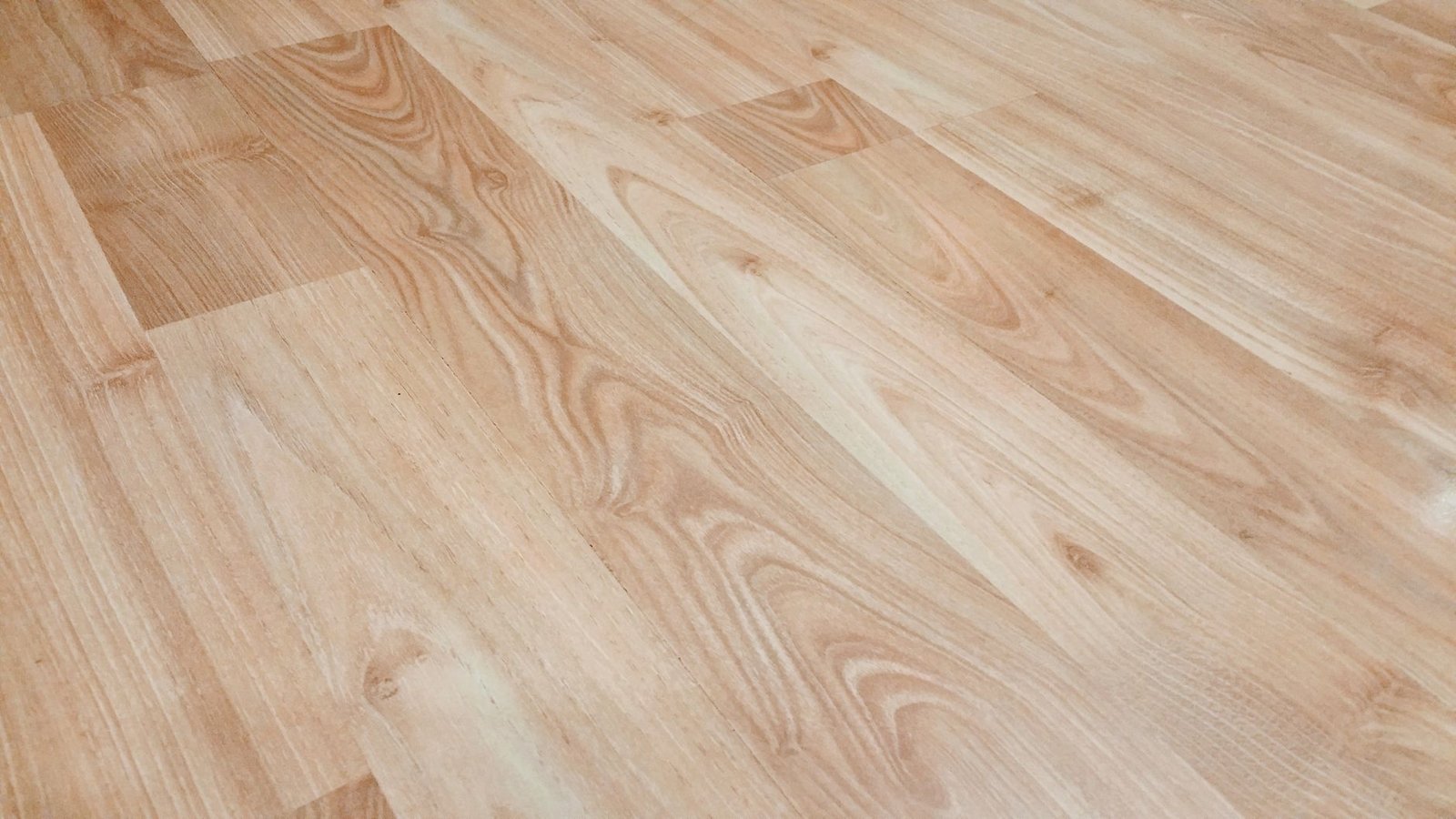
In 2026, selecting the ideal flooring for homes with pets presents a nuanced decision, especially when comparing laminate and engineered wood options. While both have seen significant advancements, advanced water-resistant laminate with an AC4+ rating generally offers superior practical durability and ease of maintenance for active pet households. Engineered wood, with its authentic aesthetic, remains a premium choice, particularly when paired with the most resilient modern finishes and a commitment to meticulous care.
The choice hinges on a homeowner’s priorities: the ultimate balance of robust scratch resistance and low maintenance for everyday pet life, or the authentic beauty of natural wood combined with a willingness to manage its specific care requirements. This analysis delves into the latest innovations in both flooring types, assessing their suitability for pet owners in the current year.
Understanding the Contenders in 2026
The flooring industry has evolved considerably, with both laminate and engineered wood offering enhanced performance and aesthetic appeal in 2026. Understanding their fundamental characteristics and recent innovations is crucial for an informed decision.
Engineered Wood Flooring: Modern Advancements
Engineered wood flooring comprises a multi-ply or high-density fiberboard (HDF) core topped with a real wood veneer. In 2026, the market showcases significant improvements in its construction and finishes. Modern engineered wood now frequently features water-resistant core technologies, often incorporating hydrophobic treatments or composite layers that greatly reduce swelling from spills and pet accidents. The wear layer, made of genuine wood, benefits from advanced factory finishes such as UV-cured acrylics fortified with ceramic or aluminum oxide particles, dramatically increasing its resistance to scratches and abrasions. Furthermore, sustainability remains a key trend, with many manufacturers sourcing wood from responsibly managed forests and utilizing low-VOC adhesives. Broader plank widths and innovative installation systems, including enhanced click-lock mechanisms, are common, making installation more efficient.
Laminate Flooring: Beyond the Basics
Laminate flooring in 2026 is far removed from its earlier iterations. It consists of a synthetic top layer (wear layer), a decorative layer (often a highly realistic photographic image of wood or stone), a core layer (typically HDF), and a backing layer. The most significant advancements relevant to pet owners include superior AC (Abrasion Class) ratings, with AC4, AC5, and even AC6 becoming standard for residential applications, signifying exceptional wear and scratch resistance. The decorative layer now employs high-definition digital printing and embossed-in-register (EIR) technology, providing tactile textures that perfectly mimic natural wood grain or stone, creating an incredibly authentic look and feel. Crucially for pet households, advanced water-resistant and even waterproof laminate options are widespread, achieved through hydrophobic core treatments, sealed edges, and tight-locking systems, effectively preventing moisture ingress from spills and accidents.
Durability and Scratch Resistance: The Pet Owner’s Priority
For pet owners, the primary concern often revolves around a floor’s ability to withstand scratches from claws and resist damage from spills. Both flooring types have made strides, but their inherent composition dictates their performance.
Engineered Wood’s Resilience
While engineered wood utilizes a real wood surface, its durability against scratches depends heavily on the quality of its finish. The latest fortified finishes offer substantial protection against everyday wear, including light pet traffic. However, deep scratches or gouges from larger pets or accidental drops can still penetrate the veneer. The advantage of engineered wood is its potential for refinishing, though the number of times this can be done is limited by the thickness of the real wood veneer. Modern water-resistant cores are a boon, protecting against warp and swell from pet urine or water bowl spills, provided cleanup is relatively prompt.
Laminate’s Unyielding Surface
Laminate flooring, particularly those with higher AC ratings (AC4 and above), excels in scratch resistance due to its tough, resin-impregnated wear layer, often enhanced with aluminum oxide. This surface is designed to withstand significant abrasion, making it highly resilient to pet claws, toys, and general household traffic. In terms of impact resistance, high-quality laminate cores are also quite robust. The advent of waterproof laminate ensures that even prolonged exposure to moisture from pet accidents will not compromise the core, a critical factor for maintaining hygiene and structural integrity in a pet-friendly home.
Comparison: For sheer scratch resistance from pet claws, high-grade laminate flooring generally holds an edge over most engineered wood options. The synthetic wear layer is specifically engineered for this purpose, offering a consistent barrier. Engineered wood, while offering a natural aesthetic, can still be more susceptible to visible scratching if the finish is compromised.
Maintenance and Longevity: Keeping Floors Pristine
Ease of cleaning and long-term maintenance are significant considerations for any homeowner, particularly those managing pet-related messes.
Engineered Wood Maintenance
Maintaining engineered wood involves regular sweeping or vacuuming to remove pet hair and debris that could scratch the surface. Specific wood cleaners are recommended, and prompt cleanup of spills is essential, even with water-resistant variants. While some engineered woods can be lightly sanded and refinished, this process is generally more involved and costly than routine cleaning. The lifespan of engineered wood is considerable if properly maintained, often extending for decades.
Laminate Care and Upkeep
Laminate flooring is renowned for its low maintenance. It can be easily cleaned with a damp mop, broom, or vacuum. Water-resistant and waterproof laminate options simplify cleanup of pet accidents immensely, as the surface is impermeable and stains wipe away easily. No special waxes or polishes are required. If an individual plank becomes severely damaged, it can often be replaced, though this might require professional assistance depending on the installation method. The longevity of high-quality laminate is excellent, with many products offering warranties of 20 years or more, even in high-traffic areas.
Comparison: Laminate flooring typically offers a more straightforward and less demanding maintenance regimen. Its resistance to stains and moisture (especially advanced waterproof versions) makes it a practical choice for homes with pets, minimizing the effort required to keep floors looking new.
Comfort and Aesthetics for the Modern Home
Beyond durability, the visual appeal and underfoot comfort contribute significantly to domestic satisfaction. Both flooring types offer distinct experiences.
The Warmth of Engineered Wood
Engineered wood provides the authentic look, feel, and warmth of natural wood. Its inherent variations in grain and color lend a unique character to any space, often contributing to a higher perceived property value. For many, the connection to natural materials is a primary driver for choosing engineered wood. Underfoot, it offers a solid yet slightly yielding feel that many find comfortable. However, a smooth, highly finished surface can still be slippery for pets, particularly older animals or those prone to slipping.
The Versatility of Laminate
Modern laminate flooring excels in its ability to replicate a vast array of natural materials, from exotic hardwoods to stone, with astounding realism. Thanks to advanced digital printing and texture-matching technologies, the aesthetic versatility is almost limitless. While traditionally considered harder underfoot, the integration of advanced underlayments can significantly improve acoustic performance and provide a more cushioned feel. For pets, a uniform, non-porous laminate surface can be easier to navigate than some highly textured or gapped natural wood floors, and specific anti-slip coatings are becoming more prevalent in high-end laminate products in 2026.
Cost Implications and Installation
Budget and installation complexity are practical considerations that influence the final decision.
Engineered Wood Investment
Engineered wood flooring generally represents a higher initial material investment compared to laminate. Installation costs can also be higher, particularly for glue-down or nail-down methods which often require professional expertise. While click-lock engineered wood can be a DIY project for experienced residents, precision is key. The long-term value, however, includes the authentic wood aesthetic and potential for increasing home resale value.
Laminate’s Accessible Price Point
Laminate flooring typically offers a more budget-friendly option in terms of material cost. Its widespread availability and the prevalence of user-friendly click-lock floating installation systems make it a popular choice for homeowners opting for DIY installation, significantly reducing overall project costs. While individual planks can be replaced if damaged, the overall lifecycle cost is often lower due to less intensive maintenance and no refinishing requirements.
The Verdict for Pet Owners in 2026
Navigating the choices between laminate and engineered wood flooring in 2026 requires a clear understanding of a household’s specific needs and priorities, particularly concerning pets. Both categories have evolved to offer impressive solutions, but their strengths diverge.
- For the homeowner whose paramount concern is maximum scratch resistance, robust water protection against pet accidents, and minimal maintenance demands, high-quality laminate flooring with an AC4+ rating and advanced waterproof capabilities stands out as the superior practical choice in 2026. Its synthetic wear layer is engineered for resilience against claws and spills, offering a consistent, worry-free surface.
- Conversely, for residents who prioritize the authentic, natural beauty of real wood, are prepared for more diligent maintenance, and are willing to invest in premium materials and finishes, high-performance engineered wood remains a luxurious and valuable option. Opting for products with enhanced UV-cured finishes (featuring ceramic or aluminum oxide) and water-resistant cores will significantly improve its suitability for pet households.
Ultimately, the “best” flooring is the one that aligns most effectively with the resident’s lifestyle, budget, and aesthetic preferences, while providing durable, comfortable, and hygienic living conditions for all members of the household, including beloved animal companions. Evaluating the robust advancements in both laminate and engineered wood in 2026 confirms that homeowners have more high-performance, pet-friendly options than ever before, ensuring domestic comfort and peace of mind.