
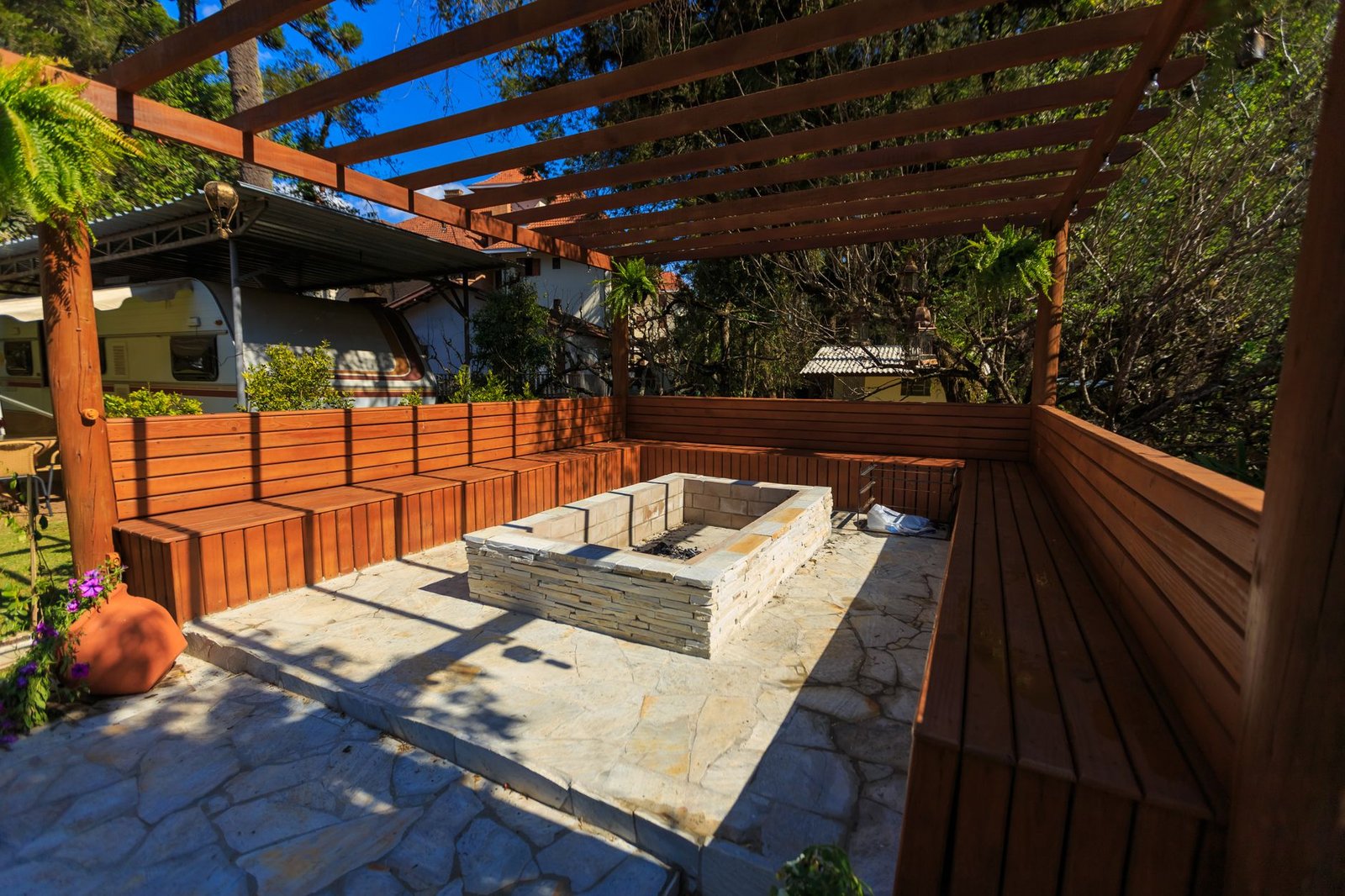
When designing or upgrading an outdoor living space for 2026, one of the most significant decisions a homeowner faces involves selecting a fire feature. The fundamental choice often boils down to a gas fire pit versus a wood-burning fire pit, each offering distinct advantages and considerations. Determining which option is superior for a particular patio environment hinges on individual priorities regarding convenience, ambiance, cost, and maintenance requirements.
The landscape of outdoor amenities in 2026 features advanced materials and smart technology, influencing both the functionality and aesthetics of these popular gathering points. This comparison delves into the nuanced aspects of each type, providing a comprehensive guide for making an informed decision for a contemporary outdoor haven.
Gas Fire Pits: Convenience, Modernity, and Control
Gas fire pits represent the epitome of modern outdoor convenience. In 2026, their appeal is amplified by evolving designs and integrated smart features, making them a top choice for residents prioritizing ease of use and a clean aesthetic.
The Advantages of Gas Fire Pits
- Instant Ignition and Control: A significant draw for many, gas fire pits ignite with the push of a button or the turn of a knob. Many 2026 models even offer smart home integration, allowing activation via a smartphone or voice command, providing unparalleled convenience for the resident. Flame intensity can be easily adjusted, offering precise control over the heat and visual display.
- Cleanliness and No Smoke: Gas burns cleanly, producing no ash, soot, or smoke. This eliminates the need for cleanup after each use and ensures a more pleasant experience for guests, particularly those sensitive to smoke. The absence of smoke is a key factor for urban and suburban environments where neighbors might be in close proximity.
- Low Maintenance: Beyond occasional cleaning of the fire media (lava rocks, fire glass, ceramic logs) and ensuring gas line integrity, gas fire pits require minimal upkeep. There is no wood to chop, stack, or store, simplifying the outdoor routine for the homeowner.
- Safety Enhancements: Modern gas fire pits frequently include automatic shut-off valves, electronic ignitions, and flame-sensing technologies, enhancing safety. These features are becoming standard, offering peace of mind to the user.
- Design Versatility: Gas fire pits offer immense flexibility in design, seamlessly integrating into various patio styles. Contemporary options in 2026 include sleek, minimalist designs with linear burners, custom-built surrounds made from eco-friendly composite materials, and a wide array of fire media colors and textures to match any decor.
The Considerations for Gas Fire Pits
- Initial Cost and Installation: The upfront investment for a gas fire pit can be higher, especially if a new gas line needs to be run to the patio. Professional installation is often required, contributing to the overall cost. Propane tank models offer portability but require regular refilling or swapping.
- Less Traditional Ambiance: While producing beautiful flames, gas fire pits lack the distinctive crackle, smoke aroma, and rustic feel associated with a wood-burning fire. For residents seeking that deeply traditional campfire experience, gas may not fully satisfy.
- Heat Output: While sufficient for warmth, the heat output from a gas fire pit, especially smaller models, can be less intense than a robust wood-burning fire, particularly on colder evenings.
Wood-Burning Fire Pits: Timeless Ambiance and Authenticity
Wood-burning fire pits evoke a sense of tradition, providing a primal connection to fire that many residents cherish. For 2026, advancements in design and materials are addressing some of their traditional drawbacks.
The Advantages of Wood-Burning Fire Pits
- Authentic Ambiance: The unparalleled sensory experience of a wood fire – the crackling sounds, the smoky aroma, and the dancing flames – creates an undeniably classic and cozy atmosphere. This authentic feel is often the primary reason for a homeowner’s choice.
- Intense Heat: Wood fires typically generate more intense, radiating heat than gas fire pits, making them excellent for warmth on cooler evenings and for larger gatherings.
- Lower Initial Cost: Basic wood-burning fire pits are generally less expensive to purchase and require simpler installation than gas models, often involving just placement on a non-combustible surface.
- Focal Point Potential: Many modern wood-burning fire pits, particularly those crafted from durable materials like corten steel or advanced ceramics, are designed as sculptural elements, enhancing the overall aesthetics of the outdoor space.
The Considerations for Wood-Burning Fire Pits
- Smoke and Air Quality: Smoke is an inherent byproduct of burning wood, which can be an irritant for some individuals and potentially impact neighbors. Local regulations regarding smoke emissions are also becoming more prevalent in 2026, requiring the homeowner to check ordinances. However, many advanced 2026 wood-burning designs feature improved airflow systems to significantly reduce smoke.
- Maintenance and Cleanup: Ash removal after each use is necessary, and wood must be stored in a dry, accessible location. This adds a layer of consistent maintenance not present with gas options.
- Safety Concerns: Wood fires produce sparks and embers, necessitating careful operation and placement away from combustible materials. Spark screens are highly recommended, and constant supervision is crucial when a fire is active.
- Ignition Time and Effort: Lighting a wood fire requires time, effort, and knowledge of proper fire-starting techniques, contrasting sharply with the instantaneous nature of gas fire pits.
- Fuel Management: Sourcing, storing, and seasoning wood requires planning and space, which might be a deterrent for some residents.
Key Considerations for 2026 Patio Decisions
The choice between gas and wood-burning fire pits in 2026 extends beyond simple pros and cons, incorporating modern homeowner lifestyles and environmental consciousness.
Ambiance and Experience
Does the resident prioritize the rustic, sensory richness of a crackling wood fire, or the clean, modern aesthetic and effortless control of gas? This largely dictates the overall outdoor living experience. For those valuing tradition and an immersive experience, wood remains king. For those seeking a sophisticated, hassle-free gathering point, gas excels.
Convenience and Maintenance Commitment
The level of involvement the homeowner is willing to undertake is a critical factor. Gas fire pits offer unparalleled convenience with minimal effort. Wood fire pits require a commitment to tending the fire, managing fuel, and performing cleanup.
Cost and Installation Implications
While basic wood pits have lower initial costs, the long-term expense of acquiring wood needs consideration. Gas fire pits may have higher initial installation costs, especially for gas line extensions, but offer predictable fuel expenses if connected to natural gas. Propane tank users must factor in regular refills.
Safety and Regulatory Compliance
Local fire codes and homeowner association rules in 2026 are increasingly stringent, especially concerning smoke and proximity to structures. Gas fire pits generally face fewer restrictions due to their contained nature and lack of sparks. Wood-burning pits require greater vigilance and adherence to local ordinances regarding open flames and distances from structures, with some jurisdictions outright prohibiting them.
Environmental Impact
For environmentally conscious residents, this is a significant point. While gas burns cleanly, it is a fossil fuel. Sustainably sourced wood, however, can be a carbon-neutral fuel. Advancements in 2026 include more efficient wood-burning designs that reduce particulate emissions, and gas fire pits with enhanced fuel efficiency. The homeowner should consider the carbon footprint associated with their chosen fuel source.
Material and Design Trends in 2026
The year 2026 brings innovative materials to the forefront. Outdoor spaces are seeing an increase in durable, low-maintenance materials like ultra-high-performance concrete (UHPC), advanced composite stone, and weather-resistant alloys for fire pit surrounds. Integrated storage for wood, multi-functional designs that double as coffee tables, and smart lighting synchronization are popular trends for both gas and wood models, allowing for highly customized and integrated outdoor environments.
Conclusion
Ultimately, neither a gas nor a wood-burning fire pit is universally