
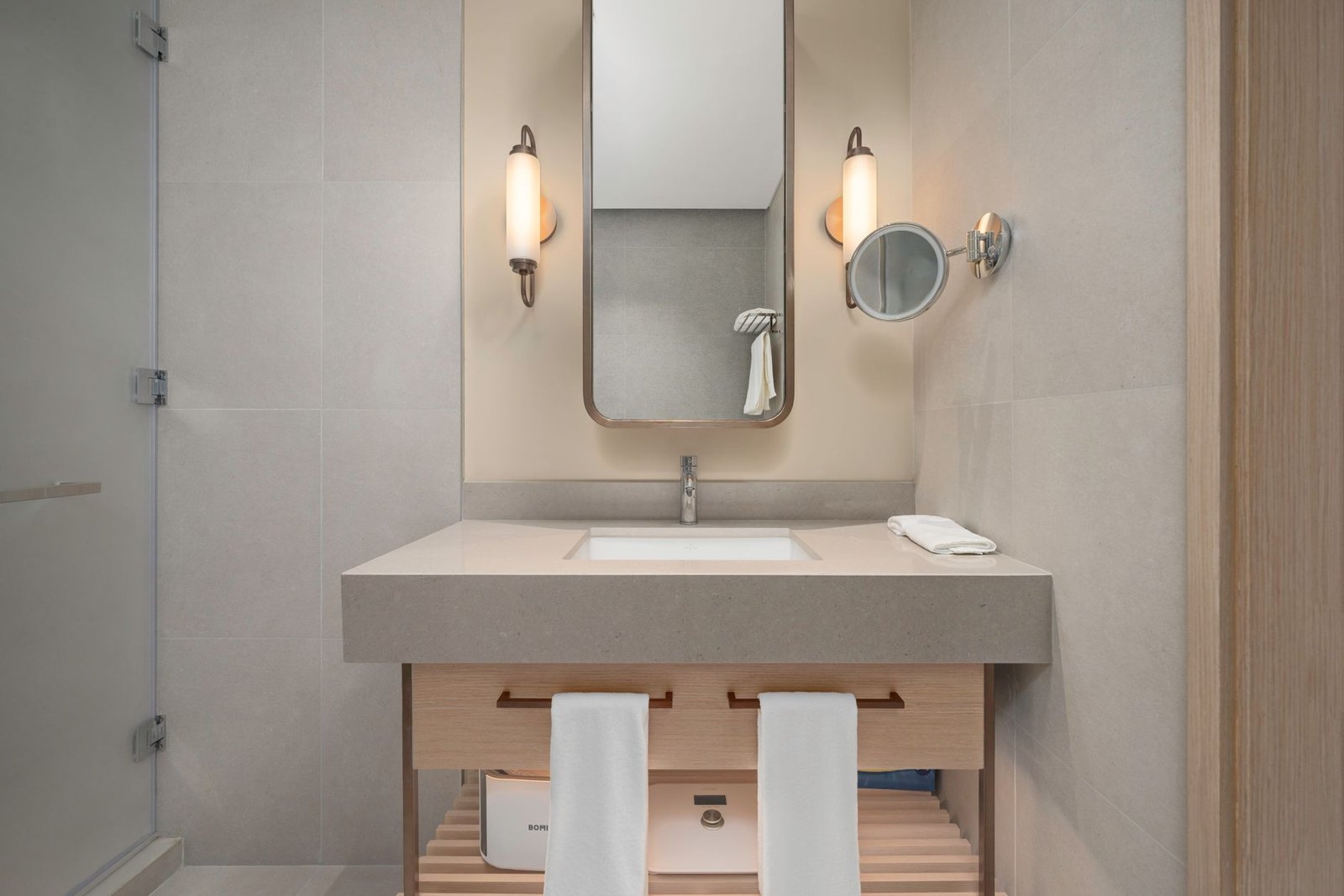
The space under the bathroom sink often becomes a hidden repository for clutter, detracting from the overall domestic comfort and efficiency of a home. Achieving a truly clutter-free bathroom in 2026 is entirely possible with strategic planning and the integration of modern organizational solutions, transforming this frequently neglected area into a beacon of order. This article details seven clever and practical organization hacks designed to maximize storage, improve functionality, and integrate seamlessly with contemporary bathroom aesthetics, leveraging the latest material developments and smart design principles.
Understanding the Under-Sink Landscape in 2026
Before implementing any organizational systems, a thorough understanding of the under-sink environment is paramount. This initial assessment involves evaluating the existing plumbing, available depth and width, and identifying the specific items currently stored. The typical under-sink cabinet presents unique challenges due to pipes and varying dimensions, necessitating adaptable and innovative storage solutions. In 2026, the emphasis shifts towards not just hiding clutter but optimizing the space with intelligent, sustainable, and visually appealing systems that enhance daily routines for the resident.
A critical first step involves a comprehensive decluttering process. The homeowner should remove all items, discarding expired products, recycling empty containers, and relocating anything that does not belong in the bathroom. Categorization is also key: group similar items such as cleaning supplies, hair products, skincare, or spare toiletries. This methodical approach establishes a clear inventory, informing the selection of appropriate storage solutions that align with the resident’s specific needs and the available spatial constraints.
The 2026 Toolkit for Under-Sink Harmony
1. Modular Pull-Out Drawers and Shelving
One of the most transformative solutions for under-sink organization in 2026 involves modular pull-out drawers and shelving systems. Advancements in engineering have led to incredibly smooth-glide mechanisms, often crafted from durable, recycled PET plastics or lightweight bamboo, making accessibility effortless. These systems frequently feature adjustable heights and widths, allowing for a custom fit around existing plumbing. Some premium options even incorporate U-shaped cut-outs or flexible designs to accommodate pipes seamlessly, ensuring no space is wasted. The ease of pulling out an entire section allows the user to view and access items at the back without rummaging, significantly enhancing the functionality of the space.
2. Vertical Storage Maximization with Stackable Units
Leveraging vertical space is crucial for smaller under-sink areas. In 2026, stackable bins and multi-tiered caddies are designed with both aesthetics and utility in mind. Materials like sustainable bamboo, recycled clear acrylic, or lightweight, nano-coated metal alloys offer robust and hygienic options. The resident can utilize stackable drawers for smaller items like cotton swabs or dental floss, while taller, open caddies are ideal for holding cleaning bottles or spare toilet paper rolls. Transparent designs, especially those made from biodegradable PLA plastics, provide instant visibility, eliminating the need to search for specific products. Look for units with integrated handles for easy retrieval and cleaning.
3. Door-Mounted Organizers for Instant Access
The inside of cabinet doors represents untapped storage potential. Slim door-mounted organizers have evolved to be more versatile and aesthetically pleasing. In 2026, options include clear acrylic pockets for hair tools or small bottles, slim metal racks for brushes and combs, and even magnetic strips capable of holding small metallic items like tweezers or nail clippers securely. Some contemporary designs incorporate subtle biophilic patterns or natural wood finishes to integrate seamlessly with modern bathroom aesthetics. These organizers keep frequently used items within arm’s reach while keeping countertops clear, contributing significantly to a streamlined morning routine for the homeowner.
4. Transparent and Labelled Containers for Clarity
Visibility is a cornerstone of effective organization. Transparent containers, made from durable, easy-to-clean materials like tempered glass or recycled BPA-free plastic, allow for immediate identification of contents. The addition of clear, concise labels further streamlines the process, ensuring every item has a designated home. In 2026, many labels are customizable, washable, and resistant to moisture, often available in minimalist designs that complement modern interiors. Grouping similar items into these labelled containers not only creates a visually appealing system but also prevents over-purchasing and simplifies inventory management for the resident.
5. Smart Integration and Sensor-Activated Solutions
The year 2026 brings an increased integration of smart home technology into even the smallest corners of domestic spaces. For under-sink organization, this can manifest as compact, sensor-activated storage solutions. Imagine a small drawer designed for frequently accessed items that illuminates automatically upon opening, or a compact, smart dispenser for hand soap refills that signals when low. While full IoT integration might be overkill for this space, simple sensor-based lighting improves visibility in dark cabinets, preventing shadows and making items easier to locate, particularly for those hard-to-reach corners. These subtle technological enhancements improve both safety and convenience for the user.
6. Custom-Fit Dividers and Inserts
Generic storage solutions often fall short when dealing with the irregular shapes of bottles and tubes. Custom-fit dividers and inserts are a game-changer for maximizing every inch of space. Available in various materials from flexible silicone to sustainable bamboo, these inserts can be configured to hold specific items securely, preventing them from toppling over or becoming a jumbled mess. Some innovative designs feature adjustable interlocking grids, allowing the homeowner to create bespoke compartments for items of different sizes. This level of customization ensures that the under-sink area remains tailored to the resident’s specific products and prevents future disarray.
7. Elevating Items with Risers and Caddies
To fully utilize the vertical space and make items accessible, risers and elevated caddies are indispensable. Instead of placing all items directly on the cabinet floor, which can make those at the back difficult to reach, risers create multiple layers of storage. These can be simple, sturdy platforms made from water-resistant composite materials or sleek, multi-level caddies with handles for portability. Elevating certain items allows for storage underneath, effectively doubling the usable space. For instance, a riser can hold frequently used items, while less common supplies are stored beneath it, ensuring an organized and ergonomic setup for the user.
Maintaining Clutter-Free Zones into the Future
Achieving an organized under-sink space is only half the battle; sustained maintenance is key. Regular periodic reviews, perhaps quarterly, allow the resident to re-evaluate the contents and system. This involves checking for expired products, assessing whether the current organization still meets needs, and making minor adjustments. Incorporating a ‘one in, one out’ rule for new purchases can prevent accumulation. Furthermore, ensuring that cleaning supplies are readily accessible and used regularly will maintain the hygiene of the storage units themselves. By embracing these 2026 principles of modularity, sustainability, and smart design, the homeowner can enjoy a perpetually clutter-free and highly functional bathroom environment.