
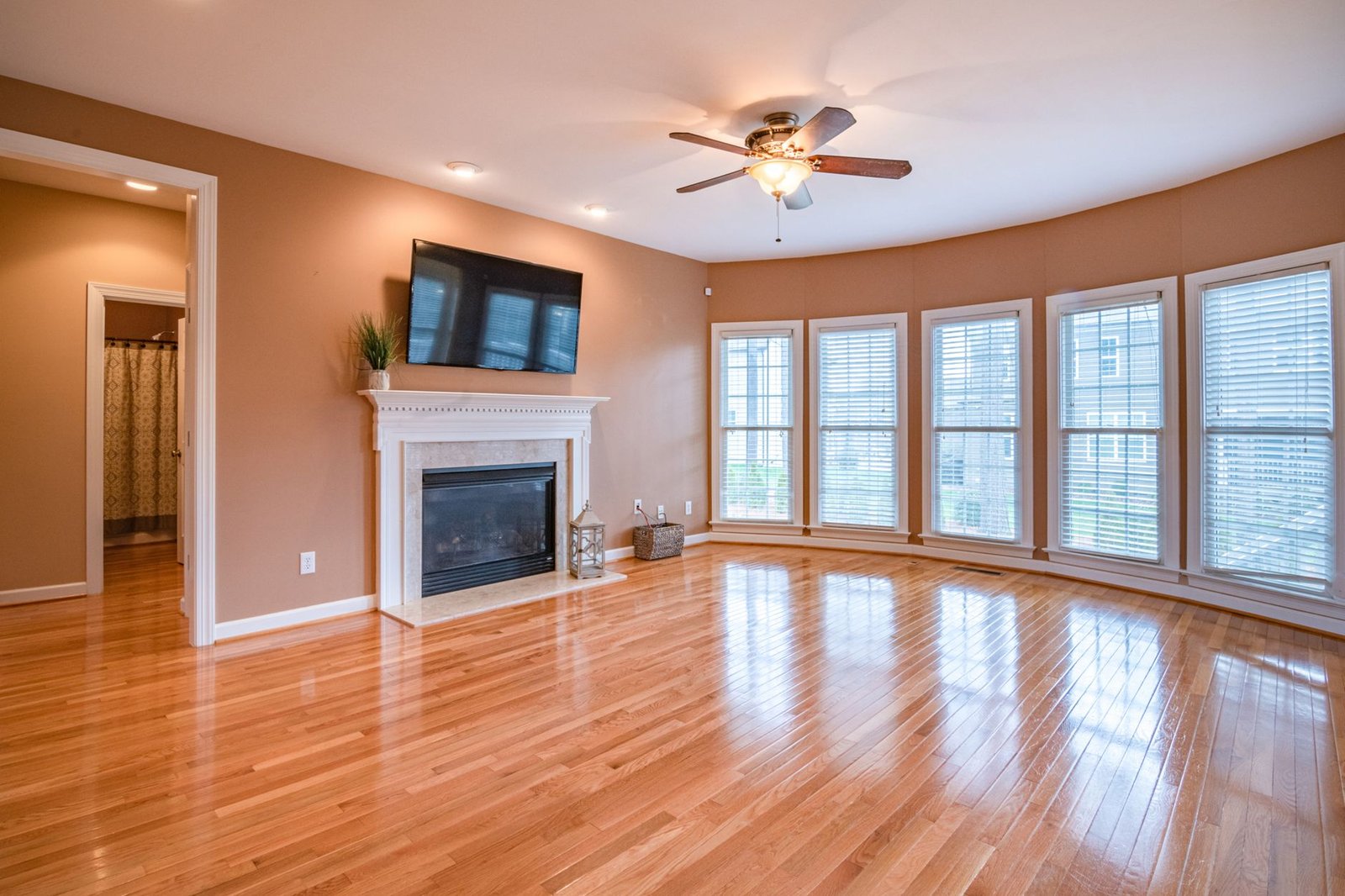
For residents navigating the complex choices of modern home flooring, particularly for high-traffic areas and active households, the perennial debate between Luxury Vinyl Plank (LVP) and laminate flooring continues into 2026. When assessing which material holds up better against the rigors of daily life, LVP generally presents a superior defense against moisture and impacts due to its resilient core, while high-grade laminate often maintains an edge in scratch resistance through its robust wear layer. The optimal choice for a busy home ultimately hinges on specific priorities concerning water exposure, impact durability, and resistance to surface abrasions.
Understanding LVP in 2026: The Modern Resilient Flooring Solution
Luxury Vinyl Plank (LVP) has cemented its position as a leading contender in resilient flooring, particularly with the widespread adoption of rigid core technologies like Stone Plastic Composite (SPC) and Wood Plastic Composite (WPC) as industry standards by 2026. This multi-layered construction typically features a strong PVC core, a realistic photographic design layer, and a clear, highly durable wear layer. Modern LVP innovations include integrated sound-dampening underlays and advanced embossing techniques that create exceptionally authentic wood and stone textures.
Durability and Water Resistance Advancements
In 2026, LVP’s reputation for exceptional water resistance remains a cornerstone of its appeal. Its impervious nature to moisture makes it an ideal selection for moisture-prone environments such as kitchens, bathrooms, basements, and entryways. The rigid core varieties are engineered to resist expansion and contraction caused by humidity fluctuations, offering superior dimensional stability compared to many traditional flooring options. This characteristic significantly mitigates the risk of warping or buckling from spills or ambient moisture.
Scratch and Dent Resistance in Contemporary LVP
Modern LVP wear layers, often fortified with ceramic bead, quartz, or even diamond particles, have drastically improved resistance to scratches and scuffs. While no flooring is entirely impervious to damage, high-quality LVP products from reputable manufacturers are designed to withstand considerable abuse from pet claws, furniture movement, and dropped objects. The rigid core construction also provides excellent resistance to dents from heavy impacts, making it a robust choice for areas prone to dynamic activity. The user can find LVP with wear layers exceeding 20 mil, providing robust protection.
Longevity Expectations for LVP
With proper installation and routine care, current LVP formulations are projected to last between 20 to 30 years, with some premium options offering even longer warranties. Its layered composition ensures that the flooring maintains its aesthetic appeal and structural integrity over decades of continuous use in active households.
Laminate Flooring’s Evolution: Enhanced Durability for 2026
Laminate flooring, once a more budget-focused alternative, has undergone significant advancements by 2026, challenging previous limitations. Its construction typically involves a high-density fiberboard (HDF) core, a photographic layer mimicking natural materials, and a transparent, protective wear layer infused with aluminum oxide. Contemporary laminate designs offer increasingly sophisticated aesthetics, including realistic textures, micro-bevels, and wider plank formats.
Durability and Water Resistance in Modern Laminate
While historically vulnerable to water, 2026 sees the widespread availability of water-resistant laminate options. These products feature hydrophobic coatings, tighter locking systems, and sometimes even treated HDF cores that significantly delay moisture penetration. While not fully waterproof like LVP, these advancements allow modern laminate to perform admirably in areas with occasional spills, such as living rooms and dining areas, though it is still not recommended for perpetually wet environments like shower rooms. The resident should look for laminates rated for enhanced water resistance to capitalize on these developments.
Scratch and Dent Resistance of Advanced Laminate
Laminate flooring generally boasts an exceptional level of scratch resistance, primarily due to its highly durable aluminum oxide wear layer. Products with high Abrasion Class (AC) ratings, such as AC4, AC5, or even AC6, are engineered to withstand extreme wear, making them particularly suitable for commercial-grade applications and demanding residential environments. This superior surface hardness often gives laminate an edge over LVP in resisting superficial scratches. However, the HDF core can be susceptible to chipping or denting from very heavy, sharp impacts if the protective wear layer is compromised.
Longevity Expectations for Laminate
Modern laminate flooring is expected to perform well for 15 to 25 years in residential settings, depending on the quality of the product and the level of traffic it endures. Regular maintenance and prompt attention to any liquid spills contribute significantly to its extended lifespan.
Direct Comparison: Durability, Scratch Resistance, and Longevity for Active Households
When juxtaposing LVP and laminate for the demands of a busy home in 2026, several critical distinctions emerge, guiding the homeowner toward the most suitable choice.
- Water Performance: LVP maintains a clear advantage in scenarios involving significant moisture. Its synthetic composition makes it impervious to water damage, capable of withstanding standing water for short periods without structural compromise. Conversely, even with 2026 advancements, laminate’s HDF core remains vulnerable to prolonged moisture exposure, which can lead to swelling and irreversible damage. For areas like laundry rooms, basements, or bathrooms, LVP is the unequivocally safer option.
- Scratch Resistance: High-quality laminate, with its dense aluminum oxide wear layer (AC4+ ratings), typically offers superior resistance to surface scratches from pet claws, grit, or dragging objects. While LVP’s wear layers have advanced significantly, some top-tier laminates still hold an edge in this specific aspect. However, it is essential to consider the quality tier for both materials, as budget options in either category will underperform.
- Dent Resistance: LVP, particularly rigid core varieties, generally offers better resistance to dents and impressions from heavy falling objects or concentrated weight due to its more flexible yet dense core. Laminate’s HDF core, while hard, can be more prone to chipping or permanent indentation if the impact force is sufficient to penetrate the wear layer.
- Comfort and Sound: LVP tends to be slightly softer and warmer underfoot than laminate, especially when featuring an integrated underlayment. This can contribute to a quieter environment as well, absorbing some impact sound. Laminate can be firmer and may produce more ambient noise without an adequate sound-dampening underlayment.
- Maintenance: Both flooring types are remarkably low-maintenance, requiring only regular sweeping, vacuuming, and occasional damp mopping with manufacturer-approved cleaners. Neither tolerates abrasive cleaners or excessive water.
- Subfloor Requirements: Laminate generally requires a perfectly flat subfloor to prevent gaps or bowing, whereas rigid core LVP is more forgiving of minor subfloor imperfections, simplifying installation for the homeowner.
Making the Informed Choice: Factors for Homeowners in 2026
The ultimate decision between LVP and laminate in 2026 for a busy home requires a comprehensive evaluation of a household’s specific needs, environment, and aesthetic preferences.
Lifestyle and Household Dynamics
For homes with young children, multiple pets, or frequent entertaining that may lead to spills and heavy foot traffic, LVP’s superior water resistance and general resilience against impacts make it a highly pragmatic choice. Where extreme scratch resistance is paramount, perhaps in a household with very large dogs or an open-plan area that sees constant furniture movement, a high AC-rated laminate might be preferred.
Location Specifics Within the Home
Kitchens, bathrooms, basements, and mudrooms are environments where LVP’s waterproof properties provide invaluable peace of mind. In drier areas like living rooms, hallways, and bedrooms, both LVP and the newer water-resistant laminates are excellent candidates, with the choice often coming down to specific performance priorities and visual preferences.
Budget and Value Proposition
While pricing varies widely by brand and quality, laminate flooring typically starts at a slightly lower price point than LVP. However, the gap has narrowed significantly with the advent of premium rigid core LVPs and high-performance laminates. The user should consider the long-term value, including expected lifespan and maintenance costs, rather than just the initial purchase price.
Aesthetics and Design Trends for 2026
Both LVP and laminate have excelled in replicating the appearance of natural wood and stone with remarkable fidelity. In 2026, popular trends include wider planks, longer lengths, matte finishes, and authentic deep textures that mimic wire-brushed or hand-scraped wood. Both materials offer a vast array of design options to complement any interior scheme, ensuring that functionality does not compromise style.
In conclusion, for busy homes in 2026, the question of whether LVP or laminate holds up better is not a simple either/or. LVP, particularly with rigid core innovations, offers unparalleled water resistance and excellent all-around durability against impacts, making it ideal for the most challenging environments. High-grade laminate, benefiting from advanced wear layers and improved water resistance, often excels in resisting surface scratches and provides a robust, aesthetically pleasing option for drier, high-traffic zones. The homeowner’s decision should be guided by a thorough assessment of the specific demands placed upon the flooring in different areas of the property, recognizing the significant advancements both categories have made in modern material science.