
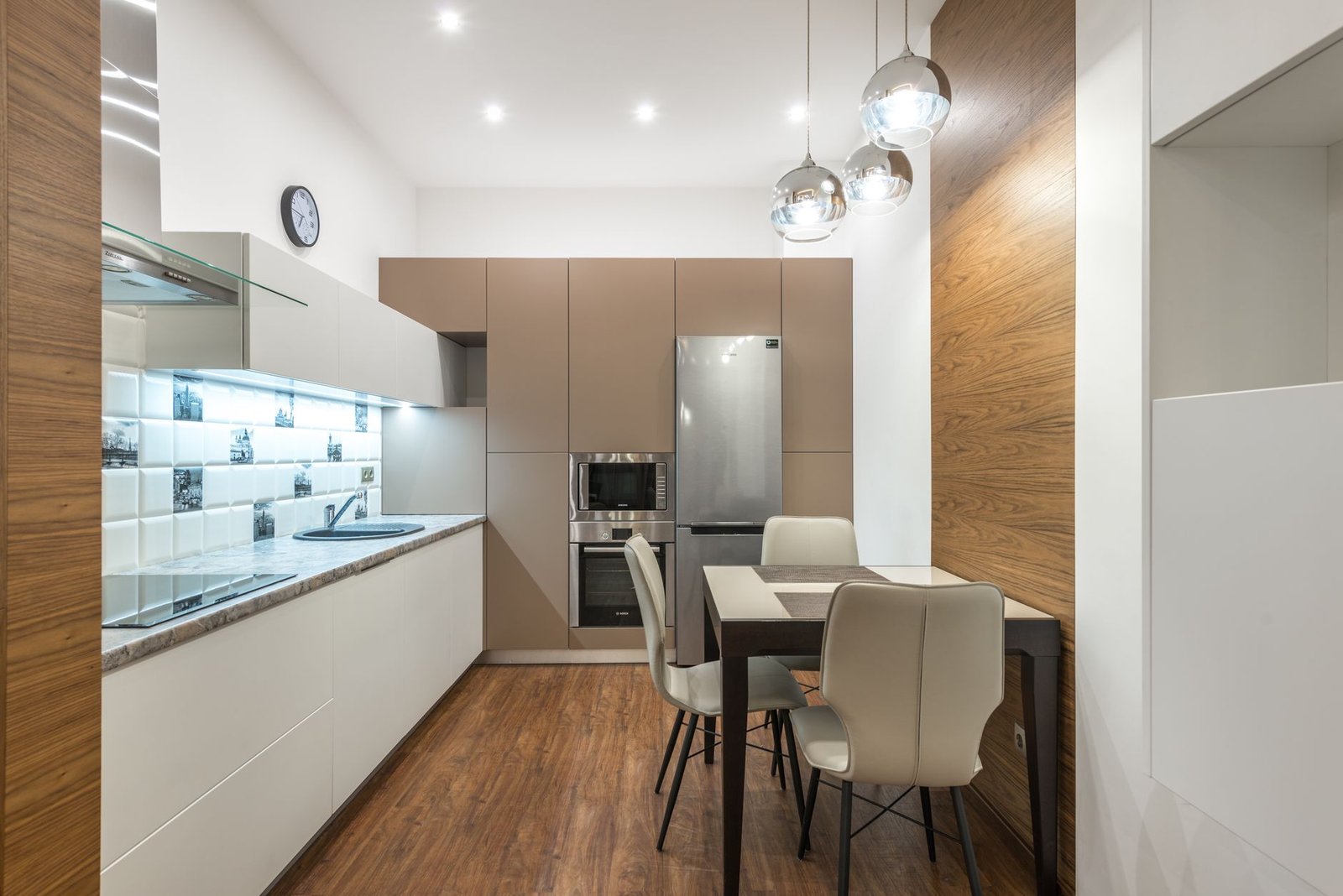
A small dining room can quickly feel congested, limiting both daily use and entertaining opportunities. Fortunately, effective layout strategies and thoughtful furniture choices can transform even the most compact space into a welcoming and functional area. This article outlines seven practical layout fixes designed to optimize small dining rooms for 2026, ensuring they feel spacious and inviting, leveraging modern design principles and material innovations.
Mastering the Small Dining Room: Principles for 2026
Creating an expansive feel in a confined dining space requires a strategic approach that extends beyond simple aesthetics. It involves understanding how perception of space is influenced by visual cues, light, and the flow of movement. For 2026, the emphasis is on smart functionality, sustainable materials, and biophilic integration, all contributing to an environment that feels both spacious and inherently comfortable.
The Illusion of Grandeur: Core Strategies
Key to transforming a small dining room is the strategic manipulation of visual depth and light. Employing reflective surfaces, carefully selected furniture, and a cohesive color palette can dramatically alter how a space is perceived. The goal is to avoid overcrowding while maximizing usability, making every square foot count without sacrificing style.
7 Layout Fixes for a Spacious Small Dining Room
1. Optimize Table Shape and Size
The dining table is the central element, and its shape significantly impacts room flow. Round or oval tables are excellent choices for small rooms as they lack sharp corners, allowing for easier movement around them and accommodating more guests in a pinch. For 2026, innovators are presenting compact, smart tables often featuring integrated wireless charging pads or discreet pull-out leaves crafted from durable, recycled composites or lightweight, high-performance ceramics that resist wear and tear.
2. Embrace Verticality with Smart Storage
When floor space is limited, the walls become invaluable. Implementing wall-mounted shelving, floating buffets, or sleek console tables can provide essential storage without encroaching on the dining area. Built-in banquettes along one wall with integrated under-seat storage are a quintessential 2026 solution, offering seating and hidden organization. Modular, minimalist storage systems are also gaining traction, allowing residents to customize configurations as needs evolve.
3. Choose Seating Wisely
The right seating can prevent a small room from feeling packed. Armless dining chairs take up less visual and physical space. Benches or banquettes push seating against a wall, freeing up floor space and offering versatility. For 2026, ergonomic, lightweight chairs crafted from sustainable materials such as recycled polymers, cork, or responsibly sourced bamboo are popular. Stackable or nesting chairs provide additional flexibility for entertaining, easily stowed away when not in use.
4. Leverage the Power of Reflection
Mirrors are a time-honored trick for expanding space. A large, artfully placed mirror can reflect light and views, creating the illusion of a larger room. Glossy finishes on furniture or flooring can also contribute to this effect by bouncing light around. Modern 2026 design often incorporates large, subtly back-lit mirrors or mirrored feature walls, adding both depth and a contemporary aesthetic.
5. Curate a Bright and Cohesive Color Palette
Light colors recede, making walls appear further away, while dark colors advance. A palette of light neutrals, warm whites, or soft, muted tones on walls and ceiling can make a small dining room feel more open. Monochromatic schemes with varying textures prevent the space from feeling bland. Biophilic influences for 2026 see the incorporation of soft greens and blues, bringing a sense of calm and connection to nature, further enhancing the airy feel.
6. Implement Strategic Lighting Layers
Thoughtful lighting design is crucial. A combination of ambient (general overhead), task (directed light over the table), and accent (to highlight features) lighting creates depth and draws the eye upward. Dimmers allow for adaptable atmospheres. For 2026, smart lighting systems with tunable white light capabilities and minimalist fixtures, including integrated LED strips under shelves or along ceiling perimeters, provide both functionality and a sleek, uncluttered look.
7. Declutter and Designate Zones
A small space quickly feels overwhelmed by clutter. Regular decluttering is essential to maintain an open feel. Every item should have a designated place. Furthermore, even in a small dining room, residents can psychologically delineate zones—perhaps a dining zone and a small reading nook—through careful furniture placement or a change in area rug. For 2026, ‘invisible’ storage solutions and a focus on digital decluttering contribute to a visually serene environment.
Future-Proofing the Dining Space in 2026
Sustainable Choices and Smart Integration
The homeowner seeking longevity and environmental responsibility will prioritize furnishings made from durable, eco-friendly materials such as reclaimed wood, bamboo, cork, or advanced recycled composites. These materials offer both aesthetic appeal and a reduced environmental footprint. Smart home integration continues its evolution in 2026, allowing residents to control lighting, climate, and even air quality from a central hub, enhancing comfort and efficiency within the dining area.
Biophilic Design for Well-being
Connecting with nature indoors remains a strong trend. Incorporating elements of biophilic design—such as live plants, natural textures, and maximizing access to natural light—can significantly improve the perceived spaciousness and overall well-being of a small dining room. Strategically placed planters or a vertical garden can add life and color without consuming valuable floor space.
By implementing these seven layout fixes, residents can transform a cramped dining area into a versatile, comfortable, and aesthetically pleasing space ready for everyday meals and special occasions in 2026. The emphasis on smart design, sustainable choices, and strategic use of space ensures that even the smallest dining room can feel expansive and functional.