
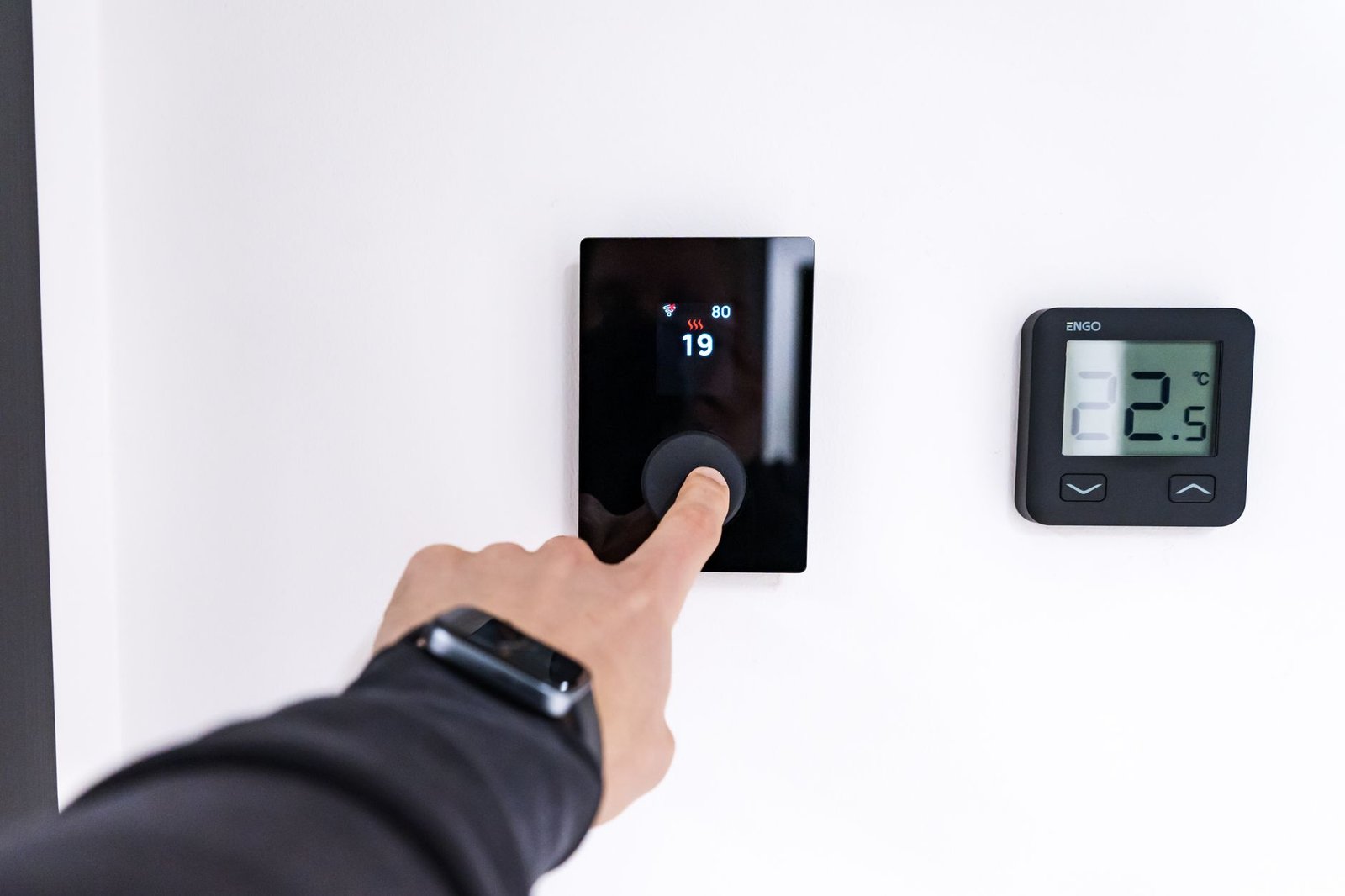
In the evolving landscape of domestic design, the concept of passive comfort has transcended mere aesthetics, integrating seamlessly with cutting-edge technology. By 2026, automated climate control networks represent not just a luxury but a cornerstone of sustainable, intelligent living. These sophisticated systems move beyond rudimentary thermostat adjustments, offering unparalleled precision, efficiency, and environmental harmony through optimized zone sensor deployment, advanced machine learning schedule algorithms, and meticulous HVAC efficiency integration metrics.
Strategic Zone Sensor Deployment
The foundation of any effective automated climate network lies in its ability to accurately perceive the indoor environment. Gone are the days of a single thermostat dictating the climate for an entire structure. Modern systems leverage a distributed network of sensors, creating a granular understanding of thermal conditions throughout a residence.
Precision in Environmental Sensing
Effective zone sensor deployment involves a strategic placement of various sensor types to capture a comprehensive environmental profile. These include not only temperature and humidity sensors but also:
- Occupancy Sensors: Utilizing passive infrared (PIR) or radar technology, these sensors detect presence, ensuring energy is not wasted heating or cooling unoccupied areas.
- Ambient Light Sensors: Informing the system about natural light levels, enabling coordination with smart blinds or lighting to reduce solar gain or enhance passive heating.
- CO2 and VOC Sensors: Integral for maintaining optimal indoor air quality (IAQ). Elevated levels can trigger ventilation or air purification systems, contributing to a healthier living space.
- Microclimate Detection: Strategic placement near windows, entryways, and areas prone to drafts allows the system to identify and mitigate microclimates, ensuring uniform comfort.
The discreet integration of these sensors, often no larger than a small decorative element, ensures they blend seamlessly with interior aesthetics. Advancements in miniaturization and battery longevity, often extending over five years, make their widespread deployment practical.
Network Architectures for Optimal Data Flow
The efficiency of a multi-sensor network is contingent upon a robust communication architecture. Wireless mesh networks, leveraging protocols like Thread and Zigbee, provide resilient and self-healing data pathways. For larger properties or those with high data throughput requirements, Wi-Fi 6E serves as a backbone, ensuring low latency and high bandwidth for rapid information exchange. This seamless data flow is critical for real-time adjustments and responsive climate management, allowing systems to pinpoint thermal discrepancies and address them instantaneously.
Adaptive Intelligence: Machine Learning in Action
The true intelligence of 2026’s automated climate control systems emanates from their sophisticated machine learning (ML) algorithms. These systems are designed to learn, adapt, and predict, moving beyond static programming to offer truly personalized comfort and unparalleled energy efficiency.
Predictive Scheduling and Occupancy Learning
Machine learning algorithms continuously analyze vast datasets pertaining to resident behavior. This includes daily routines, weekend habits, preferred temperatures at different times, and even individual zone preferences. The system doesn’t merely react to occupancy; it *predicts* it. By learning patterns, the system can pre-condition zones before residents arrive, minimizing energy consumption while maximizing immediate comfort. This predictive capability extends to adapting to deviations from routine, such as an unexpected early return home, adjusting schedules proactively rather than reactively.
External Factor Integration and Proactive Adjustments
The intelligence of these networks is further amplified by their ability to integrate external data sources. Real-time weather forecasts, historical climate data, and even local grid demand signals are fed into the ML algorithms. For instance, on a predicted hot afternoon, the system might pre-cool the residence during off-peak energy hours or implement minor temperature setbacks during periods of high grid demand to participate in demand-response programs. This proactive approach not only optimizes energy expenditure but also contributes to broader grid stability, showcasing a commitment to holistic sustainability.
Maximizing Efficiency: HVAC Integration Metrics
A smart thermostat is merely the brain; the HVAC system is the body. The seamless integration and intelligent optimization of the heating, ventilation, and air conditioning components are paramount to achieving both comfort and efficiency targets.
Real-time Performance Monitoring
Modern climate networks provide in-depth diagnostics and performance monitoring of the HVAC system. This includes tracking compressor run times, fan speeds, filter status, airflow anomalies, and overall energy consumption. Through intuitive dashboards, residents gain visibility into their system’s performance, allowing for informed decision-making. The system can issue proactive alerts for maintenance needs, such as a clogged filter or a refrigerant leak, preventing costly breakdowns and ensuring the system operates at peak efficiency. This data-driven approach transforms reactive repairs into predictive maintenance opportunities.
Synergy with Advanced HVAC Systems
The true potential of automated climate control is realized when integrated with high-efficiency HVAC equipment. By 2026, variable-speed heat pumps, Variable Refrigerant Flow (VRF) systems, and advanced geothermal solutions are standard in many new constructions and retrofits. Smart networks are designed to modulate these systems with incredible precision, leveraging their ability to adjust output incrementally. This prevents wasteful on/off cycling, which is a major contributor to energy loss. Compliance with evolving efficiency standards, such as the SEER2, EER2, and HSPF2 ratings, is automatically managed, ensuring the system operates within optimal parameters for reduced environmental impact and lower operating costs.
The Future of Domestic Comfort: 2026 and Beyond
The trajectory of automated climate control points towards increasingly integrated, personalized, and sustainable living environments.
- Hyper-Personalization: Future systems will offer even finer granularity, allowing for personalized micro-climates within individual rooms, catering to the specific thermal preferences of different residents simultaneously.
- Holistic Wellness Integration: Beyond temperature and humidity, systems will integrate with advanced air purification, circadian lighting, and even ambient soundscapes to create comprehensive wellness environments tailored to individual needs.
- Grid Interactivity: Expect deeper integration with smart grids, enabling homes to function as dynamic nodes in a larger energy network, participating in advanced demand response and potentially feeding excess renewable energy back to the grid.
- Advanced Materials: Modern material developments in 2026 significantly support climate optimization. Aerogel composites and Vacuum Insulated Panels (VIPs) offer unprecedented insulation values in minimal thickness, reducing heat transfer through building envelopes. Phase-Change Materials (PCMs), integrated into drywall or ceiling panels, passively absorb and release latent heat, stabilizing indoor temperatures without active energy consumption. Furthermore, smart windows with dynamic tinting (electrochromic glass) automatically adjust transparency to control solar gain, drastically reducing cooling loads and optimizing natural light penetration.
The convergence of advanced sensors, intelligent algorithms, and high-efficiency HVAC components, bolstered by innovative building materials, crafts an ecosystem of unparalleled domestic comfort. This network not only elevates daily living but also champion’s environmental stewardship.
The evolution of automated climate control networks signifies a pivotal shift in how residences interact with their inhabitants and the environment. By embracing these sophisticated systems, the homeowner gains more than just temperature regulation; they unlock a blueprint for sustainable living, enhanced comfort, and a genuinely intelligent home that anticipates and adapts, ensuring optimal well-being for all within its walls.