Introduction: Reshaping Urban Landscapes
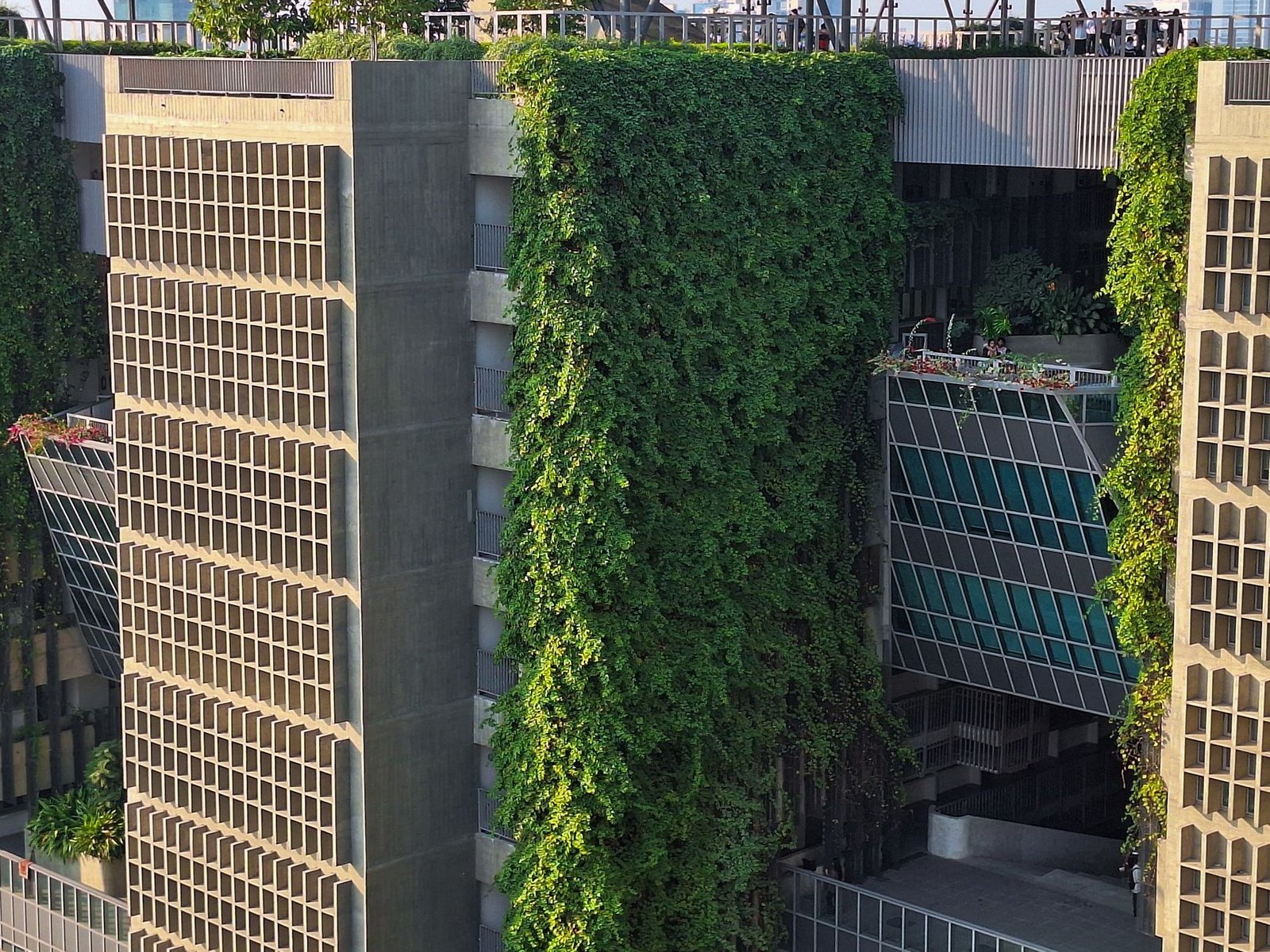
Urban environments, often characterized by limited horizontal space, are continually inspiring innovative approaches to integrate nature. Vertical gardening stands as a transformative solution, converting barren walls and facades into vibrant ecosystems. These living walls not only enhance aesthetic appeal but also contribute significantly to improved air quality, reduced urban heat island effect, and elevated biodiversity. For the urban resident, a vertical garden represents a commitment to sustainability and an ingenious utilization of underutilized vertical real estate. This article explores essential strategies for establishing and maintaining high-quality vertical gardens, focusing on structural support, advanced soil-less growth mediums, and optimal wall hydration systems, with a keen eye on 2026 industry advancements.
Foundation for Flourishing: Structural Support Selection
The longevity and success of a vertical garden hinge upon the integrity of its structural support. Choosing the correct framework is paramount, dictating the system’s weight capacity, durability, and visual integration with the existing architecture. Various systems cater to diverse needs and wall types.
System Types and Considerations
- Modular Panel Systems: These are pre-fabricated units, often made from recycled plastics or metal, that interlock to form a larger green wall. They offer flexibility in design and plant arrangement.
- Felt Pocket Systems: Lightweight and adaptable, these systems consist of fabric pockets attached to a waterproof backing. They are ideal for smaller installations or temporary displays.
- Trellises and Grids: While not strictly ‘vertical gardens’ in the sense of a living wall, these systems support climbing plants, maximizing vertical space and providing a natural aesthetic.
- Stacked Planter Systems: Individual planters are designed to stack vertically, often with integrated drainage, suitable for herbs, small vegetables, or annuals.
Material Innovations for 2026
Modern material science offers superior options for vertical garden structures. For 2026, there is a strong emphasis on sustainability, durability, and integration with smart technologies.
- Recycled High-Density Polyethylene (HDPE): Increasingly prevalent, recycled HDPE panels offer excellent UV resistance, structural stability, and a reduced environmental footprint. They are lightweight yet robust.
- Lightweight Aluminum Alloys: These provide corrosion resistance and high strength-to-weight ratios, making them ideal for large-scale installations where structural load is a concern.
- Fiber-Reinforced Polymer (FRP) Composites: Offering exceptional strength, durability, and resistance to environmental degradation, FRP composites are emerging for high-performance structural components.
- Integrated Smart Framing: Some advanced systems now feature embedded sensors within the framework itself, monitoring temperature, humidity, and even structural integrity, providing valuable data to the resident.
When selecting a system, the homeowner must assess the existing wall’s load-bearing capacity, exposure to wind and sun, and the desired aesthetic. Robust anchoring and proper drainage are non-negotiable for long-term success.
Cultivating Growth: Soil-less Mediums
Traditional soil is often too heavy and can present challenges with pest management and nutrient consistency in vertical applications. Soil-less growth mediums provide a lightweight, sterile, and efficient alternative for vertical gardens.
Optimal Soil-less Solutions
- Coconut Coir (Coco-peat): A highly sustainable and renewable resource, coco-peat offers excellent water retention, aeration, and a neutral pH. Ethical sourcing of coir is a growing trend for conscious consumers.
- Rockwool: An inert, sterile medium derived from volcanic rock, rockwool provides exceptional water and air retention. It is widely used in hydroponic systems for its consistency.
- Perlite and Vermiculite: These lightweight, porous minerals are often blended to improve drainage, aeration, and moisture retention, respectively.
- Expanded Clay Pebbles (Hydroton): These inert, porous clay balls are excellent for hydroponic systems, providing root support and consistent moisture distribution.
- Felt or Fabric Mats: In fabric-based vertical systems, specialized horticultural felts or fabrics serve as the growth medium, allowing roots to intertwine and absorb nutrients effectively.
Sustainable Substrates for 2026
The industry is moving towards even more sustainable and smart substrate solutions. In 2026, biodegradable options derived from plant fibers or recycled materials are gaining traction. Furthermore, some advanced mediums come pre-infused with slow-release, plant-specific nutrients, simplifying early-stage plant care for the user.
Essential Nourishment: Optimal Wall Hydration Systems
Efficient water delivery is critical for vertical gardens, especially those utilizing soil-less mediums where nutrient delivery is intrinsically linked to hydration. An effective system minimizes water waste and ensures consistent moisture for plant health.
Efficient Water Delivery Methods
- Drip Irrigation: The most common and highly efficient method, delivering water directly to the plant’s root zone via emitters. Micro-drip lines and pressure-compensating drippers ensure uniform distribution across the entire vertical surface.
- Recirculating Hydroponic Systems: These advanced systems collect nutrient-rich water that drains from the plants, filter it, and pump it back to the top. This significantly reduces water consumption and nutrient runoff.
- Wick Systems: Utilizing capillary action, a wicking material draws water from a reservoir to the plant roots. These are simpler, passive systems often suitable for smaller, self-contained units.
- Misting or Fogging Systems: Primarily used in specific plant environments requiring high humidity (e.g., for epiphytes), these systems deliver fine water droplets, also contributing to ambient cooling.
Smart Water Management for 2026
Automation and intelligence are transforming vertical garden hydration. Modern systems leverage technology to optimize water usage and plant health.
- Smart Irrigation Controllers: Wi-Fi enabled controllers, integrated with local weather data and plant-specific requirements, can dynamically adjust watering schedules.
- Sensor-Driven Systems: Advanced setups incorporate soil moisture sensors, humidity sensors, and even leaf temperature sensors to trigger irrigation only when absolutely necessary, preventing both under- and over-watering.
- Rainwater Harvesting Integration: Connecting vertical garden hydration systems to rainwater harvesting infrastructure offers a sustainable and cost-effective water source for the environmentally conscious resident.
- Greywater Recycling: For larger-scale urban installations, treated greywater systems are becoming an option, further reducing reliance on potable water sources.
Proper plumbing, filtration, and regular system checks are vital to prevent blockages and ensure uninterrupted water flow.
Sustaining the Vertical Garden: Ongoing Care
Beyond initial setup, consistent care ensures the vertical garden thrives. This includes regular nutrient application, typically through a balanced hydroponic nutrient solution mixed with the irrigation water. Plant selection is also key; choosing species that are compatible with the local climate and light conditions will reduce maintenance. Integrated pest management strategies, focusing on biological controls and organic solutions, are preferred for these urban green spaces. Regular pruning and observation for plant health issues will keep the living wall vibrant and functional.
Conclusion: A Greener Urban Future
Vertical gardening represents more than just a trend; it is a fundamental shift in how urban dwellers interact with and integrate nature into their daily lives. By strategically selecting robust structural supports, embracing innovative soil-less growth mediums, and implementing intelligent hydration systems, the homeowner can create a stunning and sustainable vertical oasis. With the continuous advancements in materials and smart technology anticipated in 2026 and beyond, vertical gardens are becoming more accessible, efficient, and aesthetically integrated, paving the way for a significantly greener and healthier urban future.