As global climates continue to shift, the imperative for water-efficient landscape design intensifies, especially within arid and semi-arid regions. Xeriscaping, an architectural approach to sustainable land management, moves beyond mere water conservation; it is an artful integration of ecological principles with sophisticated aesthetics. For 2026, the evolution of xeriscape architecture embraces advanced technology, innovative materials, and a profound understanding of dry climate ecosystems, transforming parched landscapes into vibrant, resilient, and architecturally compelling outdoor spaces.
Foundational Principles of Xeriscaping Architecture
Effective xeriscaping begins with a strategic framework, meticulously planned to optimize water usage while maximizing visual impact and ecological benefits. This involves a thoughtful convergence of flora, aggregates, and intelligent moisture retention.
Strategic Flora Selection
The cornerstone of a successful drought-resistant landscape is the discerning choice of plant material. Low-hydration flora, specifically adapted to local climatic conditions, forms the backbone of these designs. The emphasis is on native plants, which require minimal supplemental water once established, and modern cultivars bred for superior drought tolerance.
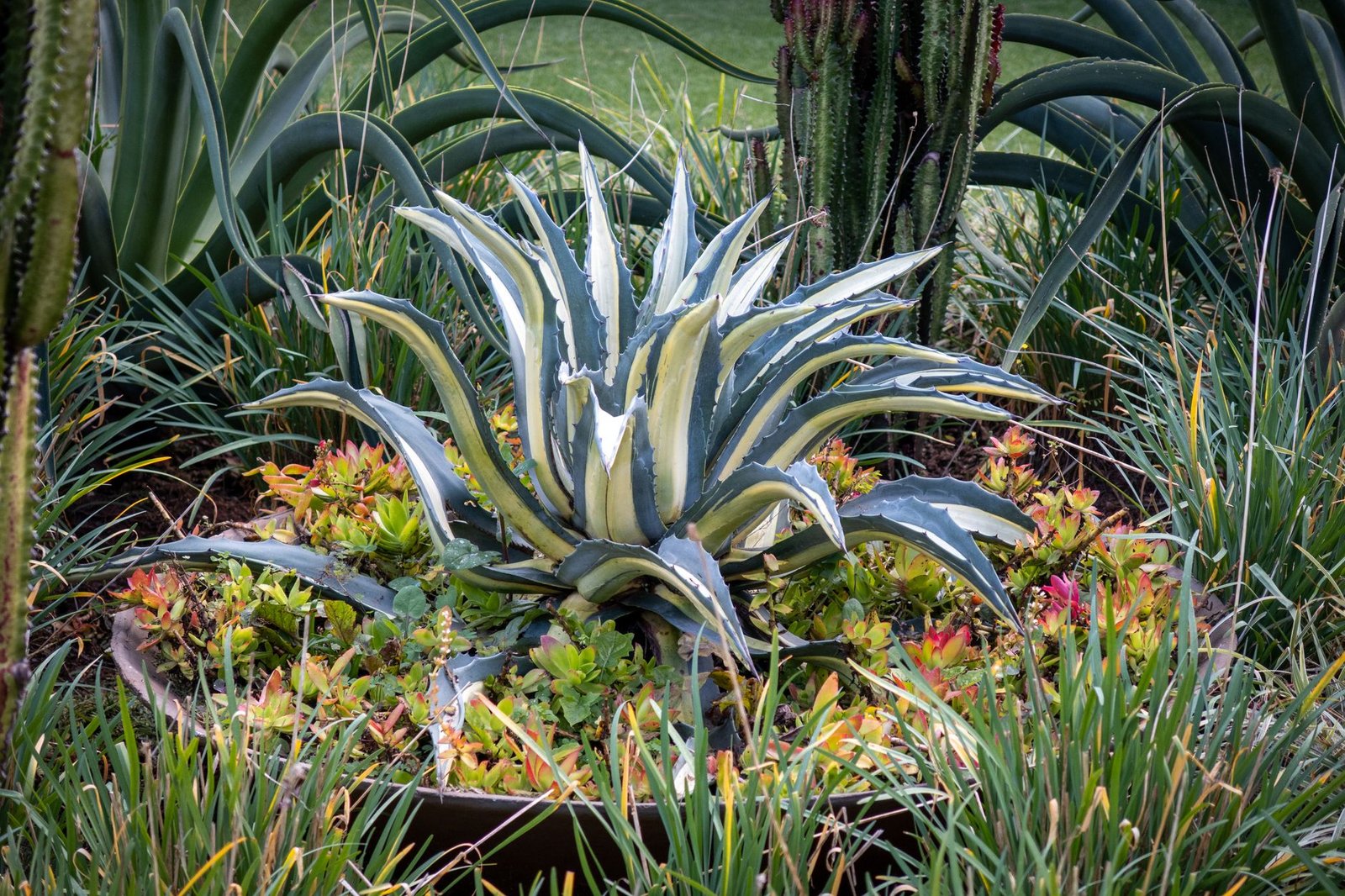
- Succulents and Cacti: Iconic for their water-storing capabilities, species like Agave, Yucca, Sedum, and various Cactaceae offer diverse forms, textures, and heights, providing significant architectural interest.
- Drought-Tolerant Perennials and Shrubs: Selections such as Lavender, Rosemary, Salvia, and indigenous shrubs like Manzanita or Ceanothus contribute color, fragrance, and habitat for local wildlife, integrating seamlessly into the dry landscape.
- Ornamental Grasses: Varieties like Muhlenbergia, Bouteloua, and Stipa provide movement, texture, and seasonal interest with minimal water requirements, often forming striking visual anchors.
- Native Trees: Carefully chosen trees such as Mesquite, Palo Verde, or Ironwood offer essential shade, reducing localized evaporation and creating microclimates conducive to other plant life, while their deep root systems are adept at finding moisture.
The placement of these plants is critical, grouping them by similar water needs to ensure efficient irrigation and prevent overwatering of some species while others remain undersupplied. This practice, known as hydrozoning, is fundamental to sustainable water management.
The Role of Aggregates and Hardscaping
Beyond plant life, the thoughtful application of aggregates and hardscaping elements is pivotal in xeriscape design, serving both aesthetic and functional purposes. These materials reduce evaporative water loss from the soil, suppress weeds, and contribute to the overall architectural language of the landscape.
- Gravel and Decomposed Granite: These are indispensable for pathways, patios, and as groundcover. They provide excellent drainage, reflect solar radiation to keep soil cooler, and come in a vast array of colors and textures, allowing for diverse design expressions. For 2026, the use of recycled aggregates, such as crushed concrete or glass cullet, is gaining traction, offering sustainable material choices.
- Larger Stone Elements: Boulders and river rocks add sculptural presence, define spaces, and help retain soil moisture around plant bases. They can also be arranged to mimic natural arid formations, enhancing the landscape’s authenticity.
- Permeable Pavers: Modern permeable paver systems are essential for driveways and larger pedestrian areas. These allow rainwater to infiltrate the ground, replenishing groundwater and reducing stormwater runoff, a significant advancement in urban xeriscaping.
The strategic use of these non-plant elements creates visual structure and reduces the overall area requiring irrigation, substantially contributing to water conservation efforts.
Advanced Moisture Retention Strategies
Effective water management in xeriscaping extends beyond plant selection and groundcovers, incorporating sophisticated designs to capture and retain every drop of available moisture.
- Subsurface Drip Irrigation (SDI): This remains the most efficient irrigation method for xeriscapes. Water is delivered directly to the plant root zone, minimizing evaporation and runoff. Modern SDI systems incorporate pressure-compensating emitters for uniform distribution, even on uneven terrain.
- Mulching Techniques: A thick layer of mulch (2-4 inches) is crucial. Inorganic mulches like gravel or crushed stone are ideal for evaporation reduction, while organic mulches (e.g., wood chips, compost) improve soil structure, reduce compaction, and slowly release nutrients. Combining both can be highly effective, with organic mulches incorporated into planting beds beneath a layer of decorative gravel.
- Contouring and Grading: Intentional landscape shaping, including swales, berms, and gentle slopes, directs occasional rainfall towards planting areas, creating passive water harvesting systems. These designs ensure that precious water infiltrates the soil rather than flowing away, maximizing its benefit to the flora.
- Soil Amendments: Incorporating organic matter, such as compost or biochar (a 2026 trend), into the soil significantly improves its water-holding capacity and overall health, reducing the need for frequent watering.
Integrating Modern Innovations for 2026
The contemporary xeriscape is a dynamic system, leveraging cutting-edge technology and sustainable materials to enhance efficiency, resilience, and aesthetic appeal.
Smart Water Management Systems
The advent of IoT (Internet of Things) has revolutionized irrigation. For 2026, smart irrigation controllers are standard, integrating real-time weather data, soil moisture sensors, and plant-specific water requirements. These systems automatically adjust watering schedules, preventing overwatering during rainy periods and optimizing delivery during dry spells. Some advanced platforms even offer predictive analytics, anticipating future weather patterns to fine-tune water usage, significantly reducing waste.
Sustainable Material Evolution
The industry continues to innovate with materials that are both environmentally friendly and highly functional. Beyond recycled aggregates, new permeable surfaces are being developed with advanced polymers and binders, offering superior durability and water infiltration rates. The use of bioplastics and other sustainable composites in hardscaping elements and landscape furniture is also expanding, providing robust and eco-conscious alternatives.
Biomimicry in Landscape Design
A growing trend involves designing landscapes that emulate natural arid ecosystems. This approach, known as biomimicry, involves observing and replicating nature’s successful strategies for water conservation and ecosystem resilience. This includes mimicking natural patterns of plant clustering, water flow, and microclimate creation found in deserts, leading to more self-sustaining and aesthetically harmonious landscapes.
Architectural Aesthetics and User Experience
Xeriscaping is not solely about conservation; it is about creating beautiful, functional, and comfortable outdoor living spaces that are inherently suited to their environment.
Seamless Indoor-Outdoor Transitions
Modern xeriscape design emphasizes the architectural integration of the landscape with the built environment. This involves extending material palettes from indoor spaces to outdoor areas, creating visual sightlines that draw the eye into the drought-tolerant garden, and designing pathways and patios that flow effortlessly from the home. The result is an expansive sense of space and a harmonious living experience.
Creating Usable, Drought-Resilient Spaces
Thoughtful design ensures xeriscapes are not merely visually appealing but also highly usable. Strategically placed shade structures, such as pergolas or arbors adorned with drought-tolerant vines, create comfortable microclimates for outdoor seating and dining. Low-water-use features, like artistic stone arrangements, sculptural elements, or dry stream beds, add sensory interest without demanding precious water resources. The focus remains on creating inviting zones for relaxation and entertainment, all while adhering to the principles of water conservation.
Ultimately, drought-resistant xeriscaping represents a sophisticated blend of ecological responsibility and refined design. By embracing low-hydration flora, utilizing diverse aggregates, implementing advanced moisture retention strategies, and integrating 2026’s technological and material innovations, designers can craft landscapes that are not only sustainable but also profoundly beautiful and enriching for the resident. These meticulously planned environments stand as testaments to resilience, demonstrating that architectural elegance can thrive even in the most challenging climates.