
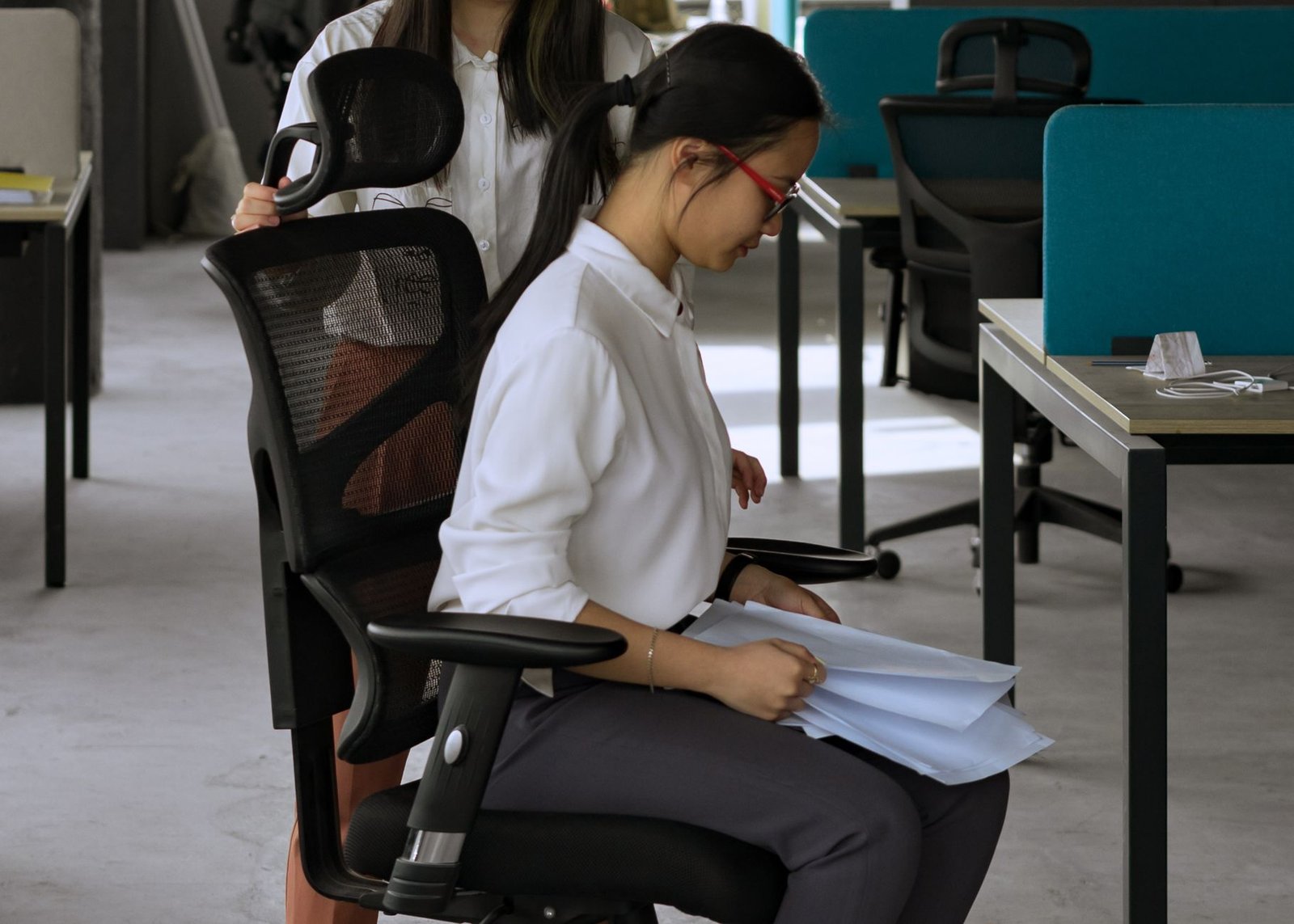
The Home Office Imperative: Wellness in 2026
The global shift towards flexible work arrangements has cemented the home office as a cornerstone of modern domesticity. For the resident engaging in extended periods of computer-based tasks, the impact of seating on physical health and overall productivity cannot be overstated. As 2026 unfolds, advanced ergonomic solutions are no longer luxuries but essential components for maintaining well-being during prolonged utility.
Biomechanics and Sustained Well-being
Understanding the intricate relationship between the human body and its environment is paramount. Poor posture, often exacerbated by ill-suited seating, can lead to a cascade of musculoskeletal issues, including chronic back pain, neck strain, and impaired circulation. An ergonomically designed chair serves as a proactive defense, supporting the body’s natural curves and promoting dynamic sitting habits. The goal is to minimize static load on the spine and musculature, thereby enhancing comfort and preventing long-term health complications for the individual.
Lumbar Adjustable Supports: Precision for Spinal Health
The lumbar region, or lower back, is particularly vulnerable to strain during prolonged sitting. Effective lumbar support is critical for maintaining the natural inward curve of the spine, known as the lumbar lordosis. Modern ergonomic chairs offer sophisticated adjustable lumbar systems that go far beyond simple fixed pads.
Dynamic Lumbar Systems and 2026 Innovations
Contemporary ergonomic chairs feature highly adaptable lumbar supports. Traditional passive supports offer a fixed curve, whereas active systems allow the resident to fine-tune the depth and height of the support to precisely match their unique spinal curvature. In 2026, the forefront of innovation includes AI-integrated dynamic lumbar support systems. These cutting-edge solutions utilize embedded sensors to detect micro-movements and posture shifts, automatically adjusting pneumatic or mechanical supports in real-time to maintain optimal spinal alignment. Furthermore, advances in material science introduce high-resilience polymer composites and gel-infused memory foams that provide superior contouring and pressure distribution, ensuring sustained comfort without degradation over time.
The benefits for the resident are substantial: significantly reduced lower back strain, prevention of disc compression, and an overall enhancement of spinal health. This precise, adaptable support encourages healthy posture, even during the most demanding work sessions.
Synchronous Tilt Mechanisms: Harmonizing Movement
Static posture is detrimental to health. A high-quality ergonomic chair encourages movement, and the synchronous tilt mechanism is central to this principle. Unlike conventional rocking chairs, a synchronous tilt system allows the backrest and seat pan to recline in a coordinated, ergonomic ratio.
Effortless Reclination and Biometric Harmony
With a synchronous tilt, as the backrest reclines, the seat pan simultaneously tilts slightly upwards, maintaining a consistent angle between the torso and thighs. This action keeps the resident’s feet firmly on the floor and prevents the thighs from lifting off the seat, which would otherwise create pressure points. This mechanism promotes improved blood circulation, reduces pressure on the lower spine and ischial tuberosities (sit bones), and encourages frequent shifts in posture throughout the day.
Innovations for 2026 include weight-activated tension adjustments, where the chair intuitively adapts the recline resistance to the resident’s body weight, eliminating the need for manual fine-tuning. Advanced frictionless pivot points ensure exceptionally smooth and silent operation. Furthermore, programmable tilt limits allow the user to customize the maximum recline angle, preventing over-extension and providing a tailored experience. The integration of sustainable, high-strength alloys in the mechanism’s construction also reflects a growing industry trend towards environmentally conscious and durable design.
Multi-Directional Armrest Configurations: Precision for Upper Body Support
Armrests are often underestimated in their ergonomic significance. Properly configured armrests play a crucial role in supporting the upper body, reducing strain on the shoulders, neck, and wrists.
Optimizing Upper Body Alignment
Ergonomic armrests move beyond simple height adjustment. Current industry standards include 3D and 4D armrests, offering adjustments for height, depth (forward/backward), width (in/out), and pivot (angular rotation). For 2026, the emergence of 5D+ armrest configurations provides even greater versatility, potentially incorporating additional axes of movement or intuitive locking mechanisms. These advanced armrests allow the resident to position their forearms parallel to the floor, ensuring the shoulders remain relaxed and the wrists neutral while typing or using a mouse.
Benefits include a significant reduction in tension across the shoulders and neck, prevention of repetitive strain injuries (RSIs) in the wrists and forearms, and improved overall comfort during precision tasks. Modern armrest pads are also evolving, featuring materials like **thermally regulating gel-infused memory foam** or breathable mesh over contoured supports, further enhancing comfort and preventing pressure points.
2026 Material Science and Aesthetic Integration
The evolution of ergonomic seating is not solely about mechanics; it also encompasses innovative materials and integrated design. In 2026, there is a strong emphasis on sustainability and smart technology.
Sustainable Ergonomics and Smart Features
Manufacturers are increasingly utilizing recycled composites, plant-based foams, and fabrics derived from ocean-bound plastics, marrying eco-consciousness with high performance. These materials often offer enhanced breathability, durability, and a smaller environmental footprint. Furthermore, biomimicry in chair design, drawing inspiration from natural structures for strength and flexibility, is becoming more prevalent, leading to lighter yet robust constructions.
Beyond materials, the integration of IoT sensors for posture tracking is a significant trend. These smart chairs can provide subtle haptic feedback or discreet notifications, gently reminding the user to adjust their posture or take a break. This proactive approach supports continuous ergonomic awareness and promotes healthier sitting habits throughout the day.
Conclusion: A Holistic Approach to Home Wellness
Investing in an advanced ergonomic home office chair is a foundational step in preserving posture and fostering long-term health for the resident. The sophisticated lumbar adjustable supports, synchronous tilt mechanisms, and multi-directional armrest configurations available in 2026 represent the pinnacle of design engineered for human well-being. These features, combined with innovative materials and smart technologies, transform a mere piece of furniture into a vital tool for productivity and comfort. By prioritizing these elements, the homeowner creates an environment that not only supports their work but also safeguards their physical health during extended utility, reflecting a comprehensive commitment to domestic comfort and personal wellness.