
How Much Does a Backyard Pond Cost to Install in 2026?
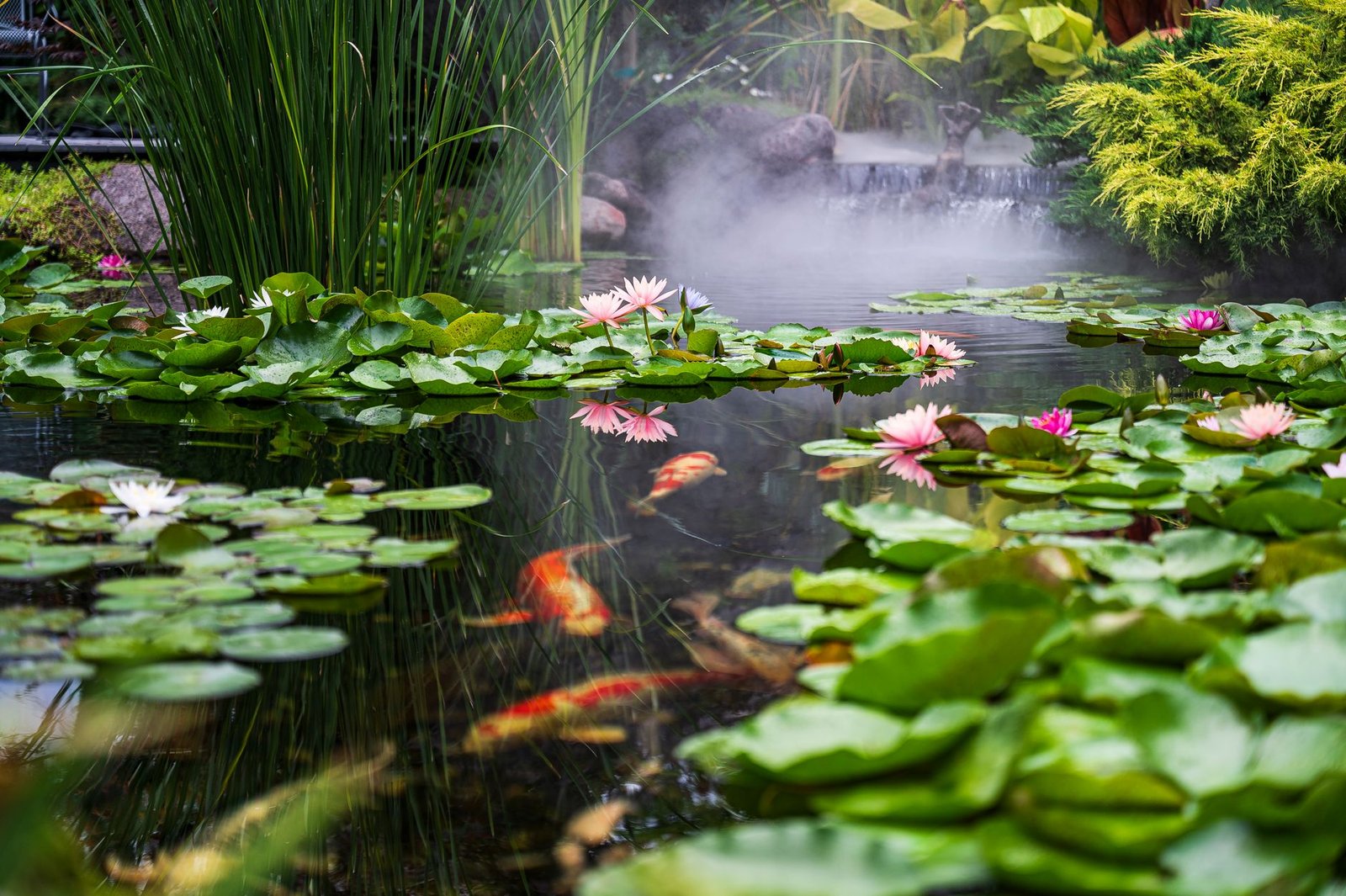
As homeowners increasingly seek to integrate serene water features into their outdoor living spaces, the question of backyard pond installation costs remains paramount. For 2026, the installation of a backyard pond typically represents an investment ranging from $3,000 for a small, basic decorative pond to upwards of $30,000 for large, complex ecosystem ponds or natural swimming ponds. This significant variation is influenced by numerous factors, including the pond’s size, chosen materials, filtration system sophistication, labor requirements, and specific site conditions. Understanding these elements is crucial for accurate budgeting and successful project execution.
Initial Investment: Pond Type and Size Considerations
The scale and purpose of the desired pond are the primary drivers of the overall installation cost. Different pond types come with distinct material and labor demands.
Small Decorative Ponds (Under 500 Gallons)
These compact ponds are ideal for aesthetic enhancement, housing a few water plants or goldfish. Installation costs for small decorative ponds typically fall between $1,500 and $5,000 in 2026. They often utilize pre-formed rigid liners or smaller sections of flexible EPDM liner, requiring less excavation and simpler filtration setups.
Medium Ecosystem Ponds (500 – 2,000 Gallons)
Designed to support a balanced aquatic ecosystem, these ponds are suitable for koi and a wider variety of aquatic flora. Expect an investment range of $5,000 to $12,000. This category necessitates more extensive excavation, durable EPDM liners, robust biological and mechanical filtration systems, and often integrated waterfalls or streams to enhance aeration and aesthetic appeal.
Large Recreational Ponds (Over 2,000 Gallons)
For those envisioning significant water features capable of supporting larger fish populations, extensive plant zones, or even recreational swimming, costs can range from $12,000 to $30,000 or more. These projects demand heavy-duty liners, advanced multi-stage filtration, substantial rockwork, and potentially complex plumbing and electrical work. Permitting requirements are also more likely for projects of this scale.
Natural Swimming Ponds (NSPs) – A 2026 Trend
Reflecting a growing interest in sustainable living, Natural Swimming Ponds (NSPs) are gaining traction. These chemical-free aquatic havens utilize regeneration zones with specific plants and gravel to naturally filter the water. While offering an unparalleled swimming experience and ecological benefit, NSPs represent the highest investment, typically ranging from $30,000 to $100,000+. Their complex design and extensive plant-based filtration systems contribute to the higher cost, yet offer significant long-term environmental and health benefits.
Core Components and Materials
The choice of materials significantly impacts the total budget for a backyard pond project.
- Pond Liners: EPDM rubber liners remain a standard for durability and flexibility, with costs based on thickness and square footage. For larger or structurally demanding projects, Reinforced Polyethylene (RPE) liners are a modern alternative, offering superior puncture resistance and lighter weight for easier installation, a trend gaining prominence in 2026. Concrete or shotcrete applications, while providing permanent, custom shapes, dramatically increase material and labor costs.
- Pumps and Plumbing: Submersible pumps are cost-effective for smaller ponds, while external pumps offer greater efficiency and longevity for larger systems. In 2026, variable speed pumps are increasingly popular due to their energy efficiency and integration with smart home automation systems, optimizing flow rates and reducing electricity consumption.
- Filtration Systems: A combination of mechanical (skimmers, filter pads) and biological filters (bio-falls, lava rock) is essential. UV clarifiers help control algae. Modern advancements include compact, high-efficiency bio-filtration media that maximizes beneficial bacterial growth in smaller footprints.
- Rocks and Gravel: These are crucial for aesthetic integration, providing habitat for beneficial bacteria, and anchoring liners. Costs vary significantly based on stone type, size, and quantity, plus delivery.
- Water Features and Lighting: Waterfalls, streams, and fountains enhance the sensory experience. Energy-efficient LED lighting, often controllable via smart devices, is a standard addition in 2026, creating stunning nocturnal displays at minimal operational cost.
- Aquatic Plants and Fish: The initial stocking of appropriate aquatic plants and fish adds to the material costs, with specialized or rare species commanding higher prices.
Labor, Installation, and Professional Services
Professional expertise ensures proper installation and longevity, though it accounts for a significant portion of the total cost.
- Site Preparation and Excavation: The extent of earthmoving, including soil type, slope, and existing landscaping, dictates excavation costs. Heavy machinery rental and skilled operators are often necessary for larger ponds.
- Liner Installation: Proper liner installation is critical to prevent leaks. Professional installers possess the expertise to lay liners seamlessly and securely, integrating them with filtration components.
- System Integration: Connecting pumps, filters, plumbing, and electrical components requires specialized skills to ensure efficient operation and safety. This includes proper wiring for lighting and any smart control systems.
- Landscaping and Edging: Integrating the pond naturally into the surrounding landscape involves careful placement of rocks, plants, and edging materials. This specialized work ensures the pond feels like a natural part of the environment.
- Permits and Engineering: Depending on local regulations and the pond’s size, permits may be required. Larger or more complex installations, particularly NSPs, might necessitate structural engineering consultations, adding to professional service fees.
Ongoing Costs: Filtration and Maintenance
A backyard pond is an evolving ecosystem that requires consistent care and maintenance. These ongoing expenses are an important part of the overall financial commitment.
- Electricity Usage: Pumps and UV clarifiers operate continuously or for extended periods. The adoption of energy-efficient, variable-speed pumps and solar-powered options in 2026 significantly mitigates these costs compared to older models.
- Water Treatment Products: Regular additions of beneficial bacteria, algaecides (if necessary), and water conditioners maintain water quality.
- Filter Media Replacement: Filter pads, bio-balls, and UV bulbs have finite lifespans and require periodic replacement to maintain system efficacy.
- Annual Servicing: Professional clean-outs, system checks, and seasonal adjustments are recommended for optimal pond health. This often includes vacuuming debris, trimming plants, and inspecting equipment.
- Winterization and Spring Opening: In colder climates, specific procedures are necessary to protect equipment during winter and prepare the pond for spring, adding to annual costs.
- Smart Pond Technology: While an initial investment, 2026 sees an increase in automated feeders, remote monitoring systems, and app-controlled filtration/lighting. These technologies can reduce manual labor, optimize energy use, and preemptively identify issues, potentially saving long-term maintenance costs and enhancing convenience for the resident.
Maximizing Value and Budgeting Strategies
Prudent planning can help homeowners manage the investment and enhance the pond’s long-term value.
- DIY vs. Professional Installation: Undertaking parts of the installation, such as excavation or rock placement, can reduce labor costs if the resident possesses the necessary skills and time. However, critical components like liner and filtration system installation are best handled by professionals to prevent costly errors.
- Phased Approach: For larger visions, consider installing a basic pond first and adding features like extensive waterfalls, advanced lighting, or additional plant zones in subsequent phases.
- Strategic Material Choices: Balancing initial material costs with long-term durability and energy efficiency is key. Investing in higher-quality pumps or liners initially can prevent more significant expenses down the line.
- Focus on Long-Term Efficiency: Prioritize energy-efficient pumps and robust filtration systems. While these may have a higher upfront cost, they lead to substantial savings in electricity and maintenance over the pond’s lifespan.
- Embrace Sustainable Practices: Incorporating rainwater harvesting systems for pond top-ups or utilizing solar-powered pumps aligns with 2026 ecological trends and can reduce operational costs.
Ultimately, the cost of installing a backyard pond in 2026 is a reflection of its size, complexity, and the level of professional involvement. A comprehensive understanding of these factors enables the homeowner to plan effectively, ensuring the creation of a beautiful, sustainable, and enjoyable aquatic feature that enhances the domestic comfort and value of the property for years to come.