
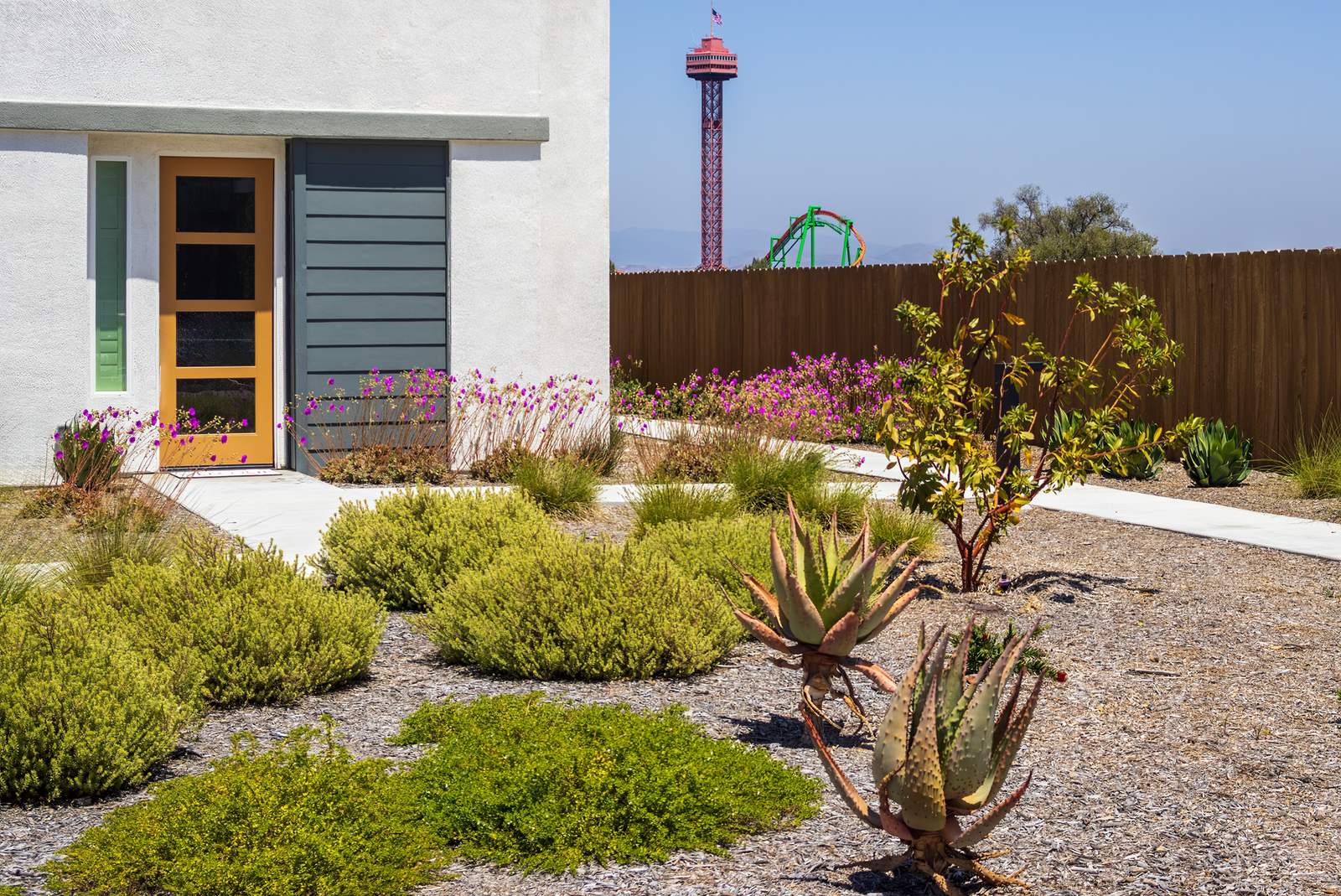
Converting a traditional front yard into a water-efficient xeriscape is a strategic investment gaining traction among homeowners in 2026. For an average 500-1,000 square foot front yard, the typical cost for xeriscaping ranges from $3,000 to $15,000+. This estimate encompasses design, materials, labor, and new irrigation systems, with the final figure heavily influenced by design complexity, material choices, regional labor rates, and the extent of existing landscape removal.
Xeriscaping offers significant environmental benefits, primarily water conservation, and provides long-term financial advantages through reduced utility bills and minimal maintenance. Understanding the breakdown of these costs is crucial for effective budgeting and planning.
Understanding Xeriscaping and Its Benefits
Xeriscaping is a landscape design philosophy focused on reducing or eliminating the need for supplemental water from irrigation. Its core principles include thoughtful design, improved soil health, efficient irrigation, appropriate plant selection (native and drought-tolerant species), use of mulches, and minimized turf areas. The approach is particularly vital in 2026 as water scarcity concerns continue to escalate across many regions.
For the resident, the benefits extend beyond environmental stewardship. Economic advantages include significantly lower water bills, reduced labor and expenses associated with mowing, fertilizing, and pest control, and enhanced property value. Aesthetically, a well-designed xeriscape can offer a diverse, vibrant, and unique landscape that is both beautiful and resilient.
Key Cost Components of Xeriscaping in 2026
The total cost of a xeriscaped front yard is an aggregate of several distinct components, each with its own price range and considerations for 2026.
Design and Planning
Professional landscape design is foundational to a successful xeriscape. Costs for a landscape architect or designer typically range from $300 to $2,500+, depending on the detail and scope of the plan. In 2026, many design firms are integrating AI-assisted tools for initial concept generation and visualization, potentially streamlining the early stages and offering more tailored options for the homeowner.
Site Preparation
Preparing the site involves removing existing turf, unwanted plants, and debris, followed by grading and leveling the area. This can cost anywhere from $500 to $2,000+. Environmentally friendly methods such as solarization or sheet mulching are increasingly favored over chemical herbicides, reflecting current sustainability trends.
Soil Amendments
Optimizing soil for drought-tolerant plants is crucial. This often involves incorporating organic matter, compost, and sometimes sand or gravel to improve drainage and nutrient retention. Costs typically range from $100 to $500+. Modern soil amendments in 2026 may include advanced moisture-retention polymers for specific planting zones, further enhancing water efficiency.
Plant Selection and Installation
This is often the most variable component, typically costing between $1,000 and $6,000+. The choice of plants – native and adaptive species being paramount – significantly impacts this figure. Larger, more mature plants will incur higher costs than smaller specimens. The availability of regionally specific drought-tolerant nurseries has expanded in 2026, making it easier to source resilient, biodiverse plant communities that thrive locally and require less ongoing care.
Irrigation Systems
Efficient irrigation, primarily drip systems, is essential for new xeriscapes. Costs for materials and installation usually fall between $800 and $3,000+. A major trend in 2026 is the widespread adoption of smart irrigation controllers. These systems utilize local weather data, soil moisture sensors, and Wi-Fi connectivity to precisely deliver water only when and where it’s needed, often integrating seamlessly with broader smart home ecosystems for remote management and optimized water usage.
Hardscaping Elements
Hardscaping, including permeable paths, patios, decorative rock, and boulders, adds aesthetic appeal and functionality. These elements can cost from $500 to $5,000+. Current trends in 2026 emphasize permeable paver systems for improved stormwater management, the use of locally sourced and recycled materials, and thermally reflective surfaces to mitigate urban heat island effects.
Mulch and Groundcover
Mulch is vital for moisture retention, weed suppression, and soil temperature regulation. Costs typically range from $200 to $1,000+. Options include organic mulches (wood chips, bark) and inorganic mulches (gravel, decomposed granite). Innovations in 2026 include improved recycled rubber mulches and biodegradable options for specific aesthetic or functional requirements.
Labor Costs
Professional installation ensures the longevity and effectiveness of a xeriscape. Labor often accounts for 40-60% of the total project cost, ranging from $1,500 to $8,000+. These costs vary significantly by geographical region, the complexity of the design, and the experience level of the landscape contractor.
Long-Term Savings and Return on Investment (ROI)
While the initial outlay for xeriscaping can be substantial, the long-term financial benefits offer a compelling ROI for the homeowner.
Water Bill Reductions
Homeowners commonly experience 30-60% reductions in outdoor water consumption, leading to significant savings on monthly utility bills, especially in areas with tiered water pricing or drought surcharges.
Reduced Maintenance
The need for mowing, frequent fertilizing, and intensive weeding is dramatically reduced. This translates to savings in time, gardening supplies, and potential landscaping service fees.
Increased Property Value
Properties with well-designed xeriscapes often command higher appraisal values. Research in drought-prone regions consistently shows that water-wise landscaping is a desirable amenity, attracting environmentally conscious buyers and contributing to a property’s overall market appeal.
Rebates and Incentives
Many municipalities and water districts offer rebates for turf removal and the installation of low-water landscapes. The homeowner is encouraged to research local programs that can offset a portion of the initial costs, further enhancing the project’s financial viability.
2026 Trends and Innovations in Xeriscaping
-
Advanced Materials
Self-watering planters with integrated reservoirs, smart permeable surfaces that passively regulate temperature, and bio-retention materials are becoming more common.
-
Technology Integration
Beyond smart irrigation, AI-powered systems are being developed for optimal plant care and disease detection. Drone mapping assists in precise landscape planning, while augmented reality tools allow residents to visualize designs before implementation.
-
Ecological Focus
A strong emphasis is placed on creating pollinator habitats, promoting biodiversity, and establishing native plant corridors. Rain gardens and integrated rainwater harvesting systems are also trending for supplementary, sustainable irrigation.
Tips for Budgeting and Implementation
- Obtain Multiple Quotes: Always solicit bids from at least three qualified landscape professionals to compare costs and design approaches.
- Consider a Phased Approach: For larger projects or tighter budgets, a resident may choose to implement the xeriscape in stages over time.
- Prioritize Elements: Focus on essential elements like efficient irrigation and core plant selections first, then add decorative hardscaping or specialty plants as budget allows.
- DIY for Savings: For individuals with gardening experience, undertaking certain aspects like planting or mulching can reduce labor costs.
- Research Local Incentives: Actively seek out any available rebates or tax credits for water-wise landscaping in the local area.
- Plant Size: While smaller plants are cheaper, a strategic mix of sizes can provide immediate impact without excessive cost.
While the initial financial commitment to xeriscaping a front yard in 2026 requires careful consideration, the benefits in water conservation, reduced ongoing maintenance, and enhanced property value position it as a wise and sustainable investment for the modern homeowner. The confluence of innovative materials, smart technology, and a renewed ecological focus makes 2026 an opportune year to embrace this forward-thinking landscaping approach.