
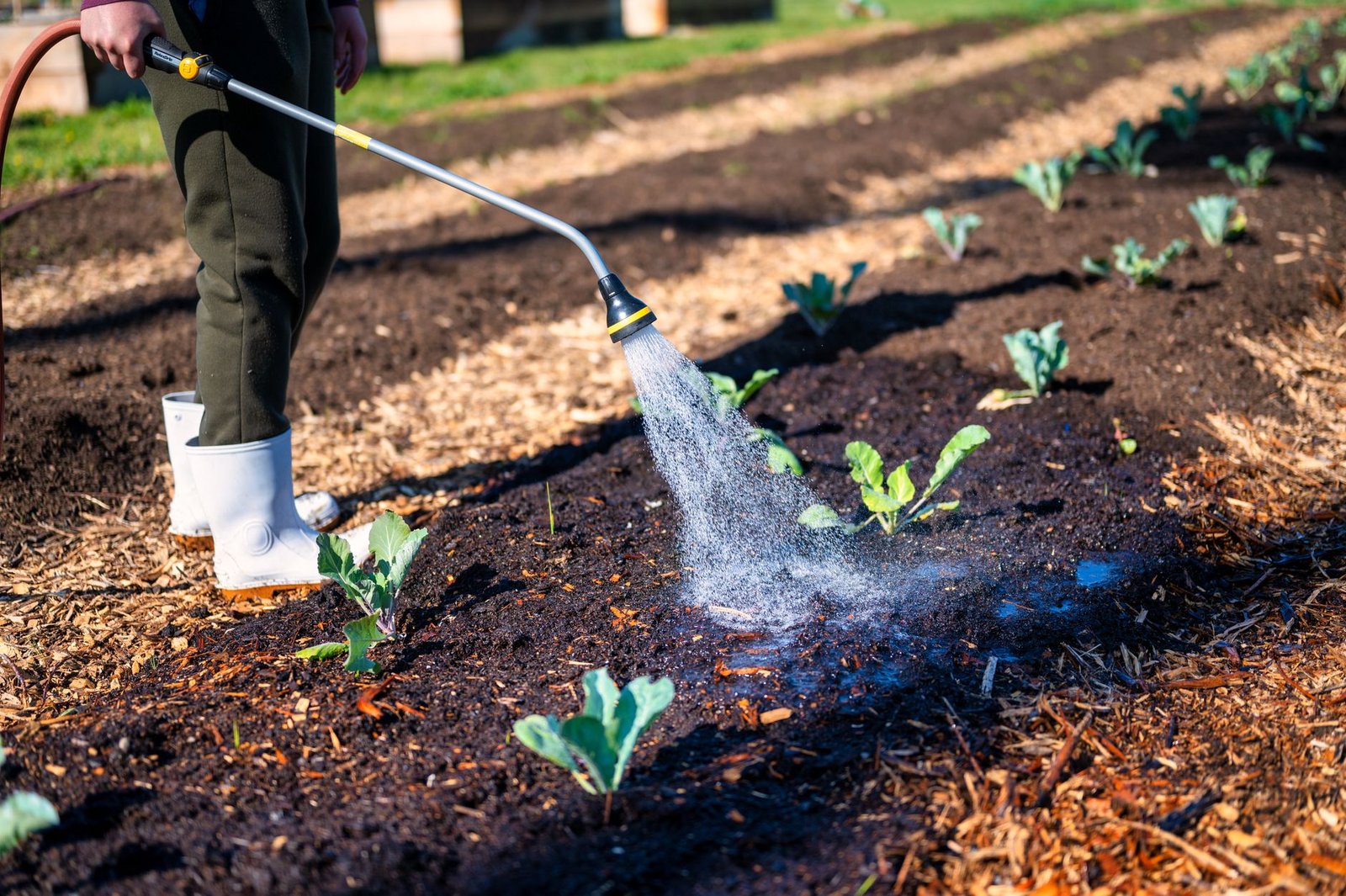
When garden soil dries out too quickly, it creates a significant challenge for plant health and water conservation. This common issue, leading to stressed plants and increased irrigation demands, can be effectively mitigated through strategic interventions. Fortunately, several practical and innovative solutions exist to enhance soil’s water retention, ensuring plants thrive even in arid conditions while substantially reducing water usage.
For homeowners aiming to cultivate resilient and vibrant gardens, understanding and implementing modern soil hydration techniques is paramount. The current landscape of gardening in 2026 emphasizes sustainability, efficiency, and advanced material science to combat the escalating effects of climate variability.
The Challenge of Rapid Soil Drying
Rapid soil drying is often a symptom of poor soil structure, insufficient organic matter, or inadequate protection from the elements. Sandy soils, for instance, drain rapidly due to large particle sizes, while compacted clay soils can struggle with infiltration, leading to runoff and then quick surface drying. The consequences include nutrient leaching, reduced microbial activity, and plants struggling to access consistent moisture, ultimately impacting growth and yield. Addressing these underlying issues is critical for long-term garden health.
The 2026 Landscape: Modern Approaches to Hydration
The year 2026 brings with it a focus on smart, sustainable, and scientifically-backed gardening practices. Advances in material science, sensor technology, and ecological understanding offer unprecedented opportunities for improving garden hydration. From sophisticated irrigation systems that learn a garden’s specific needs to bio-engineered soil amendments, the tools available to the modern gardener are more powerful than ever before. Residents are increasingly seeking solutions that are not only effective but also environmentally responsible and user-friendly.
5 Water-Saving Fixes for Thriving Gardens
1. Optimize Soil Structure with Organic Matter
The foundational solution for enhancing water retention lies in improving soil structure, and organic matter is the primary catalyst. Incorporating generous amounts of compost, well-rotted manure, or leaf mold vastly increases the soil’s capacity to hold water. Organic matter acts like a sponge, absorbing and slowly releasing moisture, while also fostering a healthy microbial environment that further supports plant roots. For 2026, the trend includes the widespread adoption of biochar, a charcoal-like substance produced from biomass, which is exceptionally porous and can retain water and nutrients for extended periods in the soil. Its long-lasting effects make it a sustainable choice for improving soil over decades. Aim for a soil composition with at least 5% organic matter by volume, ideally higher, especially in sandy or heavy clay soils.
2. Embrace Advanced Mulching Techniques
Mulch is an indispensable tool in the fight against rapid soil drying. A layer of organic mulch—such as wood chips, shredded bark, straw, or even living groundcovers—significantly reduces evaporation from the soil surface, regulates soil temperature, and suppresses weeds that compete for moisture. Modern mulching practices in 2026 often involve deeper layers (3-4 inches) and the use of sustainable, locally sourced materials. Furthermore, innovative products like biodegradable paper mulches or engineered wood fibers that decompose slowly are gaining traction. For residents seeking aesthetic and highly effective solutions, coarse, chunky mulches provide superior insulation and water retention compared to finely shredded alternatives. Applying mulch correctly, leaving a small space around plant stems, is crucial to prevent moisture buildup and potential disease.
3. Integrate Smart Irrigation Systems
Gone are the days of arbitrary watering schedules. Smart irrigation systems are revolutionizing water management in gardens. These sophisticated setups utilize a combination of weather sensors, soil moisture probes, and predictive analytics to deliver water precisely when and where it is needed. In 2026, AI-powered systems are becoming more accessible, capable of learning a garden’s specific microclimates and plant needs, then adjusting watering cycles accordingly. Some advanced systems can even integrate with local weather forecasts to automatically skip watering cycles if rain is expected. For homeowners, investing in a drip irrigation system combined with smart controllers represents a significant leap in water efficiency, minimizing runoff and evaporation inherent in traditional sprinkler systems.
4. Select Drought-Tolerant and Native Plantings
One of the most effective long-term strategies for a water-wise garden is plant selection. Opting for species naturally adapted to dry conditions or local native plants drastically reduces a garden’s overall water demand. These plants often possess specialized adaptations, such as deep root systems, waxy leaves, or succulent foliage, that allow them to thrive with minimal supplemental irrigation once established. Researching plants native to the specific region’s climate ensures optimal adaptation and reduces the need for constant intervention. Many nurseries now categorize plants by their water requirements, making selection easier. Creating zones in the garden based on water needs, often referred to as hydrozoning, further optimizes water use by grouping similar plants together, allowing for more precise irrigation.
5. Implement Hydrogel and Bioremediation Solutions
For particularly challenging areas or new plantings, synthetic and organic amendments are offering new possibilities. Hydrogels, also known as superabsorbent polymers, can absorb hundreds of times their weight in water, slowly releasing it to plant roots over time. While historically used in agriculture, environmentally safer, biodegradable formulations are increasingly available for residential use in 2026, offering a powerful boost to water retention in planting holes or containers. Concurrently, bioremediation solutions, leveraging beneficial microbes and fungi, are enhancing soil’s natural ability to retain water and make nutrients available. Products containing Mycorrhizal fungi, for example, extend the effective reach of plant roots, allowing them to access more distant water sources in the soil. These advanced solutions are particularly beneficial for establishing new plants or rehabilitating degraded soil.
Conclusion: A Future of Resilient Gardens
Addressing the issue of rapidly drying garden soil is a multi-faceted endeavor that combines traditional wisdom with cutting-edge technology. By focusing on fundamental soil health through organic matter, smart mulching, and precise irrigation, alongside thoughtful plant selection and modern soil amendments, residents can cultivate gardens that are not only beautiful but also remarkably water-efficient and resilient. The year 2026 offers a wealth of innovative tools and knowledge, empowering every homeowner to create a thriving, sustainable landscape that conserves precious water resources while supporting robust plant life.