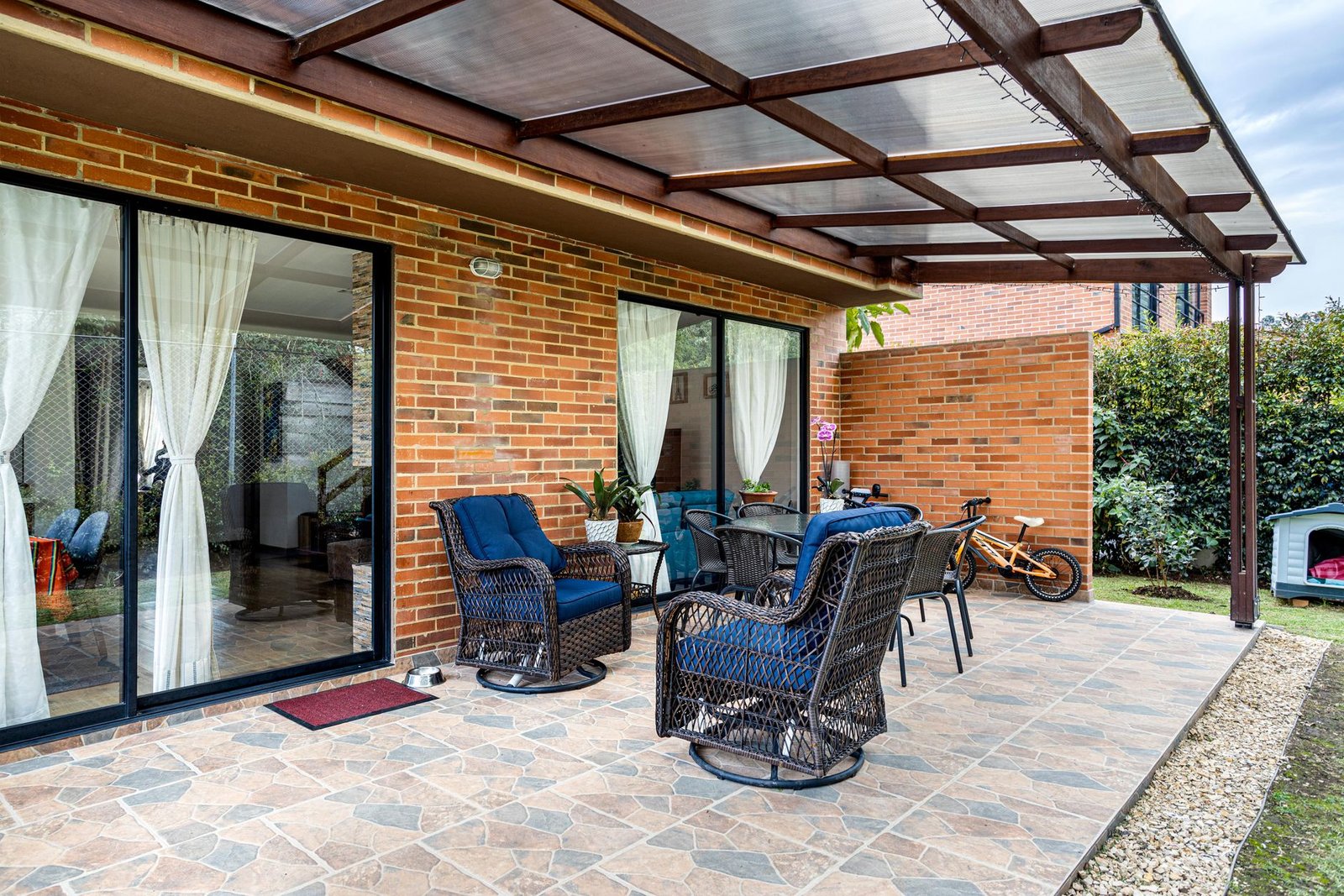
In 2026, the careful curation of an outdoor living space represents a significant investment, an extension of domestic comfort and aesthetic appeal. Premium outdoor furniture, crafted from high-grade woods, metals, and performance fabrics, is designed for both resilience and elegance. However, even the most robust pieces remain vulnerable to the relentless assault of environmental elements. Ultraviolet (UV) radiation, incessant rain, wind, dust, pollen, and temperature fluctuations can degrade materials, diminish aesthetics, and drastically shorten lifespan. The sophisticated homeowner understands that protecting these assets is not merely an option but a critical component of responsible ownership. Advanced all-weather protective covers have evolved beyond simple tarps, becoming an essential layer of defense, integrating cutting-edge materials and engineering to safeguard outdoor assets effectively.
The Imperative of Premium Protection
The allure of a beautifully furnished patio or deck lies in its enduring appeal. Yet, without proper shielding, the vibrant colors of cushions fade, teak greys prematurely, metals corrode, and synthetic weaves become brittle. This degradation not only compromises visual integrity but also structural soundness, leading to costly replacements or extensive refurbishment. The decision to invest in high-quality outdoor furniture naturally extends to securing its longevity. Contemporary protective covers are specifically engineered to mitigate these risks, ensuring that premium outdoor pieces retain their factory-fresh appearance and structural integrity for many years, thereby preserving the initial investment.
2026 Innovations in Fabric Technology
The core of any effective protective cover lies within its material composition. By 2026, fabric technology has made remarkable strides, moving beyond basic waterproofing to offer multi-faceted protection tailored to specific environmental challenges. These advancements focus on both preventing external damage and safeguarding the furniture from internal issues like condensation.
Synthetic Fabric Breathability: Preventing Condensation
One of the most insidious threats to covered furniture is trapped moisture, leading to mildew, mold, and material degradation. Early covers, while waterproof, often created a sealed environment that exacerbated condensation. Modern synthetic fabrics address this challenge through sophisticated engineering:
- Microporous Structures: The latest woven polyester blends and solution-dyed acrylics feature microscopic pores that are small enough to prevent liquid water droplets from penetrating but large enough to allow water vapor to escape. This selective permeability ensures excellent airflow while maintaining waterproof integrity.
- Smart Membrane Integration: High-performance covers in 2026 often incorporate advanced ePTFE or polyurethane membranes. These are thin, breathable layers laminated to the fabric, offering superior vapor transmission rates compared to traditional coatings, effectively eliminating condensation buildup.
- Hydrophobic Treatments: Surface treatments that repel water without compromising breathability are now standard. These treatments prevent saturation, ensuring the cover remains lightweight and functional even in prolonged wet conditions.
- Ventilation Systems: Integrated, strategically placed vents, often backed with mesh, work in conjunction with breathable fabrics to promote continuous air circulation, further reducing humidity levels beneath the cover.
The industry trend for 2026 includes the development of ‘smart fabrics’ with embedded humidity sensors. These nascent technologies provide real-time data, allowing for optimal cover placement or even triggering small, battery-operated fans in ultra-premium systems to enhance air exchange during extreme humidity.
UV-Reflective Coatings: Shielding Against Sun Damage
UV radiation is a primary culprit in the premature aging of outdoor furniture. It breaks down polymers, degrades dyes, and weakens structural components. Cutting-edge protective covers deploy advanced UV-reflective technologies:
- Metallicized Polymers: Some premium covers now feature thin layers of metallicized polymers or films infused with reflective particles. These materials physically bounce a significant portion of UV and infrared radiation away from the surface, drastically reducing heat buildup and UV penetration.
- Ceramic Nanoparticles and Titanium Dioxide Infusions: Fabrics are increasingly treated or impregnated with microscopic ceramic or titanium dioxide particles. These inorganic compounds are highly effective at absorbing and scattering UV light, providing a durable, long-lasting protective barrier that doesn’t degrade like traditional chemical UV inhibitors.
- Multi-Layered Protection: The most advanced covers utilize a composite approach, combining a reflective outer layer with an inner UV-resistant fabric. This provides a synergistic defense, maximizing the Ultraviolet Protection Factor (UPF) to levels comparable to high-performance sun-protective apparel.
- Colorfast Dyes: Even the visible fabric colors are optimized. Solution-dyed fibers, where color is integrated during the manufacturing process rather than applied topically, offer inherent UV resistance, preventing fading and ensuring the cover itself remains aesthetically pleasing.
A burgeoning trend in 2026 is the research into self-healing UV protective layers. While still in early stages, these materials aim to automatically repair microscopic damage that could compromise long-term UV resistance, promising unprecedented durability for protective covers.
Ensuring Structural Integrity: Secure Tie-Down Mechanisms
A protective cover is only as effective as its ability to remain securely in place. High winds are notorious for dislodging covers, rendering them useless and potentially causing damage to both the cover and the furniture. 2026 advancements focus on robust and user-friendly fastening systems.
Beyond Basic Bungee Cords: Advanced Fastening Systems
The integrity of tie-down mechanisms is paramount. Gone are the days of flimsy strings or easily snapped bungee cords. Modern covers incorporate:
- Reinforced Straps with Quick-Release Buckles: Heavy-duty, marine-grade nylon or polypropylene straps with robust, weather-resistant quick-release buckles (often made from impact-resistant acetal) are now standard. These allow for precise tensioning and effortless application or removal.
- Adjustable Drawstrings with Cord Locks: Perimeter drawstrings, often integrated into the hem, allow the user to cinch the cover tightly around the base of the furniture. High-quality cord locks prevent loosening, even in gusty conditions.
- Elasticized Hems: A strong elastic band sewn into the hem provides a snug fit around the furniture’s base, offering an initial layer of security against wind uplift.
- Weighted Hems: For furniture in particularly windy areas, some covers include integrated weights or pockets for sandbags, providing additional ballast to prevent displacement.
- Magnetic Closure Systems: While less common for large pieces, some smaller covers utilize powerful, weather-sealed magnets along seams or hems for quick, secure attachment to metal furniture frames, offering a sleek and easy-to-use option.
The industry is also exploring ‘smart tie-downs’ for 2026. These concepts involve small, integrated sensors that monitor wind speed and pressure, potentially signaling the user via a smart home app if the cover is at risk of dislodging, or even activating an auto-tightening mechanism in advanced prototypes.
Design for Durability and Ease of Use
Beyond the mechanisms themselves, the overall design and construction of the cover contribute significantly to its efficacy and longevity:
- Reinforced Seams and Double-Stitching: All seams are typically double-stitched and often taped or sealed to prevent water ingress and provide exceptional tear resistance. Stress points, such as where straps attach, are heavily reinforced.
- Ergonomic Handles: Strategically placed, robust handles make it easy for the resident to position and remove the cover without struggling or damaging the material.
- Custom Fits: While universal covers exist, custom-fit options designed for specific furniture dimensions offer superior protection and a more aesthetically pleasing appearance, minimizing excess fabric that can catch wind.
Holistic Material Developments and Sustainability in 2026
The commitment to innovation in 2026 extends beyond immediate protection to encompass broader ecological and health considerations. Sustainable practices are increasingly integrated into the manufacturing of protective covers, with a greater emphasis on:
- Recycled Content: Many manufacturers are now incorporating significant percentages of post-consumer recycled plastics into their synthetic fabrics, reducing reliance on virgin materials.
- Non-Toxic Formulations: The use of per- and polyfluoroalkyl substances (PFAS) in waterproofing treatments is being phased out, replaced by eco-friendlier, equally effective alternatives that pose no environmental or health risks.
- Anti-Microbial and Anti-Algae Treatments: Fabrics are often imbued with agents that inhibit the growth of mold, mildew, and algae, keeping covers cleaner and extending their service life with less maintenance.
Furthermore, the integration of Internet of Things (IoT) capabilities into premium covers is a developing trend for 2026. These ‘smart covers’ could monitor local weather conditions, UV index, and even the internal microclimate, sending alerts to a resident’s device, offering unparalleled peace of mind and proactive asset management.
Conclusion
The longevity and pristine condition of premium outdoor furniture depend significantly on the quality of its protective cover. By embracing the advancements in synthetic fabric breathability, UV-reflective coatings, and robust tie-down mechanisms available in 2026, homeowners can effectively shield their valuable outdoor assets. Investing in a high-performance cover represents an intelligent decision, ensuring that outdoor living spaces remain beautiful, functional, and inviting for countless seasons to come. The evolution of these protective solutions underscores a commitment to preserving luxury and enhancing the overall enjoyment of domestic environments.