
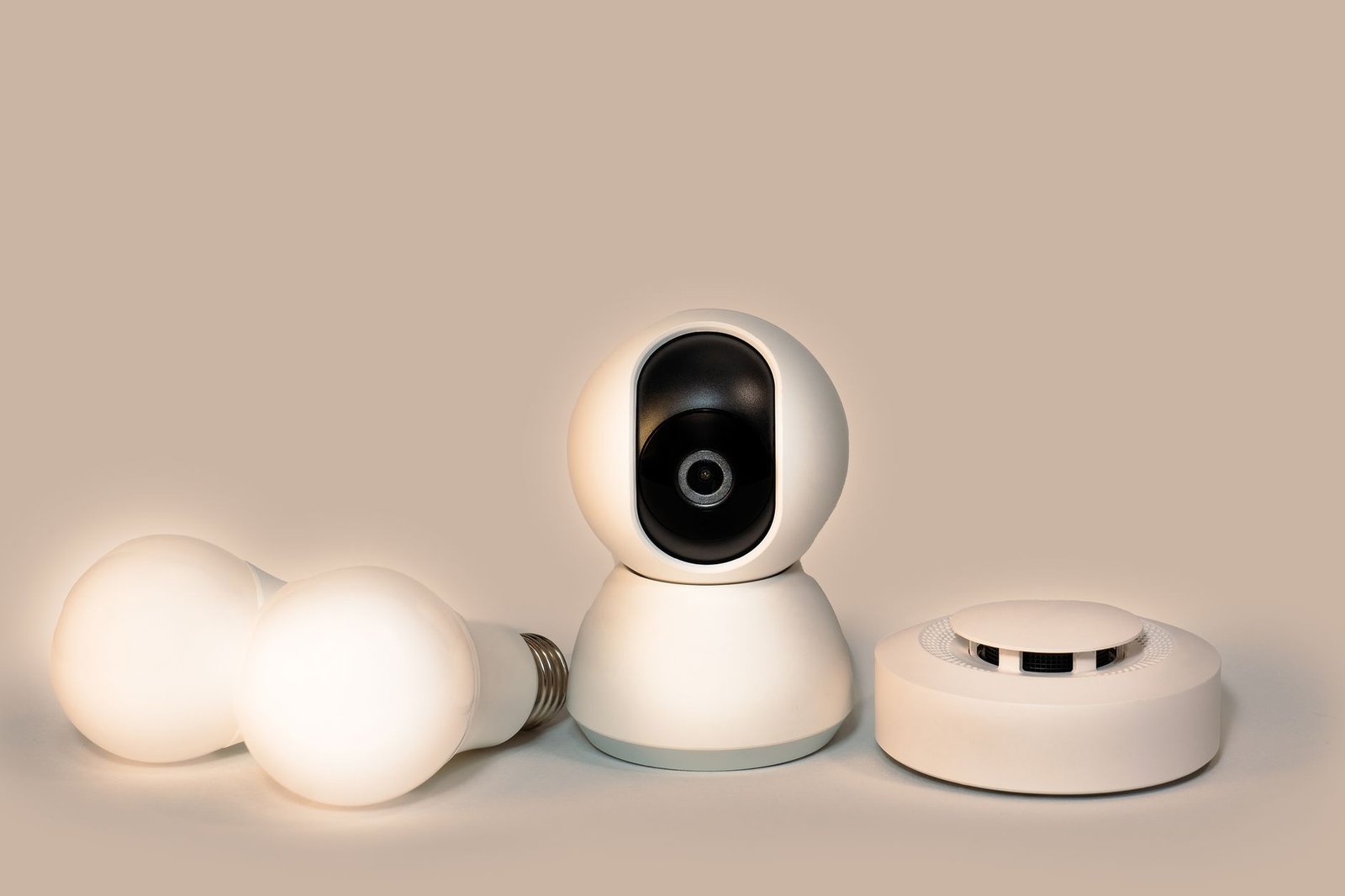
Understanding which smart water leak detector offers the most robust protection against flood damage remains a critical concern for homeowners in 2026. The optimal solution combines unparalleled accuracy, seamless installation, and comprehensive smart home integration to safeguard properties effectively. This article will navigate the evolving landscape of smart water detection technology, highlighting industry-leading devices and crucial considerations for selecting the best system to prevent costly water-related incidents.
The Escalating Need for Proactive Flood Prevention
Water damage consistently ranks among the most expensive and disruptive incidents a homeowner can face, often leading to structural compromise, mold growth, and significant financial burdens. In 2026, the imperative for proactive prevention is heightened by aging infrastructure in many regions and the increasing prevalence of extreme weather events. Traditional detection methods are often reactive, identifying a problem only after significant damage has occurred. Smart water leak detectors, by contrast, offer an immediate, proactive defense, notifying the resident at the earliest sign of moisture anomaly and enabling swift intervention. Investing in such a system is not merely a convenience but an essential component of comprehensive home comfort and asset protection, significantly reducing potential insurance claims and enhancing peace of mind.
Key Features Defining 2026’s Top Smart Water Leak Detectors
The smart home landscape in 2026 has matured, bringing forth devices with sophisticated capabilities. When evaluating the best smart water leak detectors, several core features stand out as indispensable for superior performance.
Accuracy and Sensor Technology
Precision is paramount. Modern detectors utilize advanced sensor arrays, often incorporating micro-electro-mechanical systems (MEMS) for hyper-sensitive detection of even minute quantities of water. Leading models in 2026 integrate AI-powered predictive analytics, which can differentiate between harmless condensation and a genuine leak, minimizing false alarms. Multi-point contact sensors and extended cable probes allow for broader area coverage, while some high-end units feature embedded temperature and humidity sensors, providing context that aids in more intelligent decision-making and early warning for pipe bursts due to freezing.
Installation Simplicity
Ease of installation is a major differentiator. The best systems in 2026 are designed for DIY setup, often featuring peel-and-stick adhesive pads, wireless connectivity through ultra-low-power protocols like Matter over Thread or Wi-Fi 7, and intuitive mobile app guidance. The ability for devices to automatically discover and integrate into an existing smart home ecosystem with minimal user input is a significant trend, reducing setup friction for the resident.
Smart Home Integration and Ecosystem Compatibility
A truly smart detector seamlessly integrates into the broader home automation network. In 2026, robust compatibility with platforms such as Apple Home, Amazon Alexa, Google Home, and Samsung SmartThings, all increasingly harmonized by the Matter standard, is expected. This allows for automated responses to a detected leak, such as triggering a smart shut-off valve to cut the main water supply, flashing smart lights, or activating an audible alarm through connected speakers. Advanced systems can even communicate with smart thermostats to adjust HVAC settings, preventing secondary damage from excessive humidity.
Battery Life and Power Solutions
Reliability hinges on consistent power. The top detectors for 2026 boast extended battery lives, often lasting several years on a single charge or set of batteries, thanks to advancements in low-power wireless communication and efficient circuitry. Some innovative solutions are beginning to incorporate energy harvesting technologies or offer USB-C rechargeable options, reducing reliance on disposable batteries and promoting sustainability.
Design and Durability
As smart devices become more ubiquitous, their aesthetic and resilience are increasingly important. 2026 sees detectors designed with sleek, unobtrusive profiles that blend into interior spaces. Furthermore, a focus on sustainable and non-corrosive materials, such as advanced recycled polymers and specialized composites, ensures longevity. High Ingress Protection (IP) ratings, typically IP67 or IP68, guarantee resistance to dust and full submersion, crucial for devices intended to detect water.
Top Smart Water Leak Detectors of 2026: A Comparative Analysis
Several systems stand out for their advanced capabilities in 2026, offering a range of features tailored to different homeowner needs.
- The HydroSecure Pro 2026: This model excels in precision, utilizing an array of optical and conductivity sensors combined with edge AI for hyper-accurate leak identification and anomaly detection. Its modular design allows for expandable sensor cables, ideal for large areas, and it integrates seamlessly with major Matter-enabled smart home hubs. The HydroSecure Pro also boasts an impressive 7-year battery life, making it a low-maintenance choice.
- AquaDefense Elite: Renowned for its rapid notification system and robust build, the AquaDefense Elite features self-healing polymer casings that enhance durability against environmental factors. Its standout feature is its localized shut-off valve integration, offering an autonomous response that cuts off water to specific zones upon detection, preventing widespread damage. Installation is simplified through QR code scanning and instant network provisioning.
- GuardianFlow Sentinel: Aimed at broader accessibility without compromising core functionality, the GuardianFlow Sentinel provides reliable detection with a focus on user-friendly design. It leverages Wi-Fi 7 for faster communication and includes haptic feedback for local alerts in addition to smartphone notifications. Its compact form factor and simple app interface make it an excellent choice for first-time smart home adopters, offering a balance of performance and affordability.
Integrating Smart Leak Detection into the Modern Home Ecosystem
The true power of smart water leak detectors emerges when they are integrated into a holistic smart home ecosystem. Modern residences benefit immensely from interconnected devices that communicate and react autonomously.
IoT Protocols and Platforms
The advent of Matter as a unified IoT standard in 2026 has significantly simplified cross-platform compatibility. This allows residents to choose devices from various manufacturers, confident that they will work together seamlessly. Whether a resident uses Apple HomeKit, Google Home, or Amazon Alexa, a Matter-certified leak detector ensures consistent performance and centralized control. This interoperability extends to smart home routines, enabling scenarios where a leak triggers not just an alert, but also the automatic closure of a smart water main valve, activating cameras, or even sending an emergency message to neighbors.
Advanced Notification Systems
Beyond simple push notifications, 2026’s leading detectors offer multi-tiered alert systems. These can include SMS messages, email, flashing smart lights, audible sirens from the device itself or connected smart speakers, and even automated calls to pre-designated contacts. This ensures that even if the resident is away or otherwise occupied, an urgent alert will be received and acted upon, greatly minimizing the window for potential damage.
Installation and Maintenance Considerations for Longevity
Maximizing the effectiveness and lifespan of a smart water leak detection system requires careful planning and routine attention.
- Strategic Placement: Detectors should be strategically placed in high-risk areas: near water heaters, under sinks, behind toilets, in basements, laundry rooms, and utility closets. Utilizing extended probe cables allows a single detector to monitor a wider footprint.
- Regular Testing: Periodic testing of each sensor is crucial to ensure functionality. Most smart apps offer a simple testing feature, or residents can manually apply a small amount of water to the sensors to verify the alert system.
- Software Updates: Keeping device firmware and app software updated is vital for security, bug fixes, and accessing new features. Manufacturers frequently release updates that enhance detection algorithms and improve smart home integration.
- Battery Monitoring: While battery life is extensive in 2026 models, monitoring battery levels via the companion app and replacing/recharging as recommended ensures uninterrupted protection.
Conclusion: Safeguarding the Modern Home
For the resident seeking robust protection against the unforeseen calamities of water damage, selecting the best smart water leak detector in 2026 involves a keen understanding of technological advancements. The optimal system will offer unmatched accuracy through AI-powered sensors, simplify integration into the modern smart home via standards like Matter, and boast durability through advanced material science. By carefully evaluating features such as sophisticated sensor technology, ease of installation, comprehensive smart home compatibility, and extended battery life, homeowners can make an informed decision that secures their property and enhances their overall domestic comfort for years to come.