
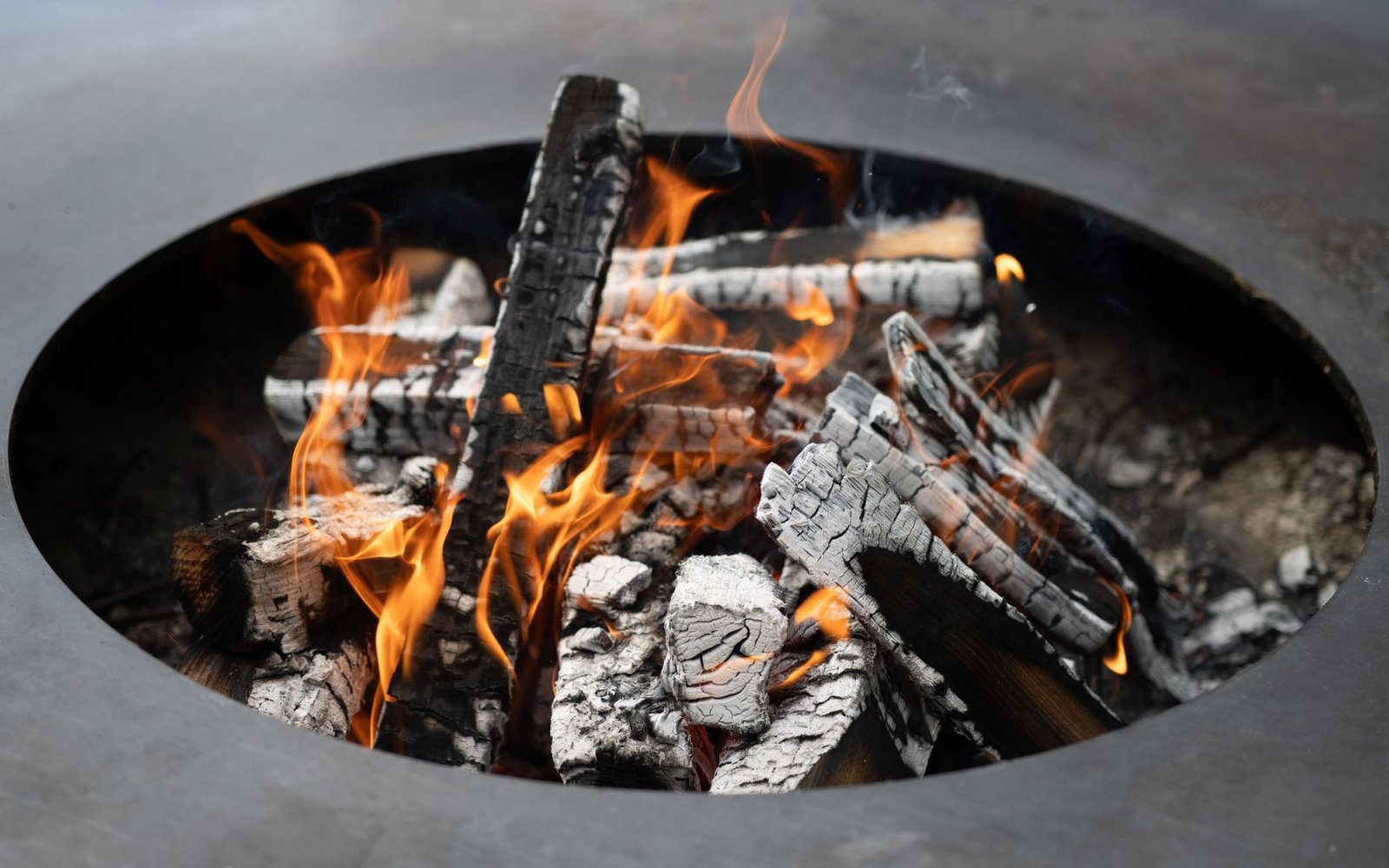
For homeowners looking to elevate their outdoor living experience in 2026, the traditional circular fire pit is giving way to a new era of innovative and stylish designs. This article explores six distinct backyard fire pit concepts that transcend conventional round forms, incorporating modern aesthetics, diverse materials, and integrated functionality. The aim is to inspire residents to envision their outdoor spaces with unique focal points that serve as both warmth providers and stunning design elements.
Rethinking the Hearth: Innovative Fire Pit Forms for 2026
The evolving landscape of exterior design encourages a departure from the predictable. Modern fire pits are no longer just heat sources; they are sculptural installations, integrated furniture, and central gathering hubs. The following ideas showcase how creativity can transform a simple flame into an extraordinary outdoor feature.
1. The Linear Lounge Fire Pit
Moving beyond the round, a linear fire pit offers a sleek, modern aesthetic perfect for elongated patios or alongside integrated seating. These designs often feature a rectangular burner set into a custom-built bench or a long, narrow table, creating a cohesive outdoor lounge area. For 2026, trends favor minimalist lines and the incorporation of durable, weather-resistant materials like polished concrete, honed basalt stone, or robust Corten steel, which develops a beautiful, protective rust-like patina over time. The homeowner can expect a sophisticated look that seamlessly integrates the fire element with comfortable seating.
2. Geometric & Asymmetrical Art Installations
Embrace the sculptural with geometric or asymmetrical fire pit designs. Think bold hexagons, dynamic L-shapes, or multi-tiered arrangements that act as striking focal points even when not in use. These designs allow for unique spatial configurations, breaking free from rigid symmetry. Materials such as powder-coated aluminum, stainless steel, and advanced composite stones are popular in 2026 for their durability and ability to be molded into intricate forms. The resident can achieve a contemporary art-piece feel that elevates the entire backyard.
3. Sunken Conversation Pits with Integrated Fire
For a truly immersive and intimate experience, a sunken conversation pit with a central fire feature provides a cozy, resort-like ambiance. This design involves excavating a portion of the landscape to create a recessed seating area, often built with natural stone, stucco, or custom-built benches. The fire pit itself is typically a custom linear or square design, nestled at the center, creating a protected and warm environment. This approach is highly sought after in 2026 for its ability to define a distinct outdoor room, offering a sense of enclosure and exclusivity.
4. Water-Integrated Fire Bowls
Combining the primal elements of fire and water creates a mesmerizing sensory experience. Water-integrated fire pits feature a flame element surrounded by a shallow pool of water, sometimes with a gentle spillway. The contrast of flickering fire against still or subtly moving water is visually stunning and audibly soothing. Popular materials include rich copper, marine-grade stainless steel, and custom-poured concrete, which develop unique character over time. This biophilic design trend is strong for 2026, appealing to the desire for natural elements and tranquility in outdoor spaces.
5. Modular & Adaptable Fire Pit Systems
Flexibility is key for many modern homeowners. Modular fire pit systems consist of interchangeable components that allow the resident to reconfigure the size, shape, or surrounding elements of their fire feature. These systems might include interlocking concrete segments, adaptable metal panels, or movable seating modules that can be arranged to suit different occasions or seasonal needs. This trend speaks to the desire for personalization and dynamic outdoor spaces, often incorporating smart technology for ignition and flame control, a growing feature in 2026.
6. Elevated & Counter-Height Fire Tables
For those who enjoy dining or socializing at a standing height, elevated or counter-height fire tables offer a practical and stylish solution. These designs integrate a linear or square burner directly into a dining table or bar-height counter, making them perfect for al fresco meals or cocktail parties. Materials like porcelain slab tops, engineered quartz, and premium weather-resistant hardwoods (e.g., teak) are favored for their elegance and durability in 2026. This multi-functional approach optimizes smaller outdoor areas by combining dining and warmth in one sophisticated piece.
Material Innovations and Aesthetic Trends for 2026
Beyond shape, the choice of materials significantly impacts the fire pit’s longevity and aesthetic appeal. For 2026, sustainable options and high-performance composites are at the forefront.
- Advanced Composites: Expect to see more fire pits crafted from lightweight concrete mixes utilizing recycled aggregates, providing strength and a refined finish with a reduced environmental footprint.
- Sustainable Wood Accents: Responsibly sourced, reclaimed hardwoods are being integrated into designs, offering warm contrasts to cooler metal or stone elements.
- Corten Steel: This material continues its reign due to its unique rusted aesthetic and exceptional durability, requiring minimal maintenance.
- Porcelain and Engineered Stone: Ideal for fire tables, these materials offer incredible heat resistance, scratch resistance, and a vast array of colors and patterns, mimicking natural stone without the upkeep.
Aesthetic trends lean towards earthy tones—muted greens, deep charcoals, and warm grays—harmonizing with natural surroundings. Technology integration is also key, with smart ignition systems and automated flame control becoming standard in higher-end models, offering convenience and enhanced safety.
Strategic Placement and Safety Considerations
Regardless of the chosen design, strategic placement and adherence to safety guidelines are paramount. The homeowner must consider the following:
- Zoning: Integrate the fire pit into a defined outdoor living zone, ensuring it complements the flow of the entire space.
- Clearance: Maintain adequate clearance from combustible materials, overhead structures, low-hanging branches, and property lines. Local codes often specify minimum distances.
- Fuel Type: Decide between natural gas, propane, or wood-burning. Natural gas offers convenience with a permanent line, while propane provides portability. Wood-burning requires proper ventilation and wood storage.
- Ventilation: For any partially enclosed or built-in designs, ensure proper ventilation to prevent smoke accumulation.
- Professional Installation: For complex designs involving gas lines or integrated structures, consulting with or hiring a licensed professional is highly recommended to ensure compliance and safety.
By moving beyond the traditional circular form and embracing these innovative designs and modern materials, residents can create a truly unique and inviting outdoor oasis. The fire pit of 2026 is an extension of personal style, a hub for connection, and a testament to sophisticated outdoor living.