
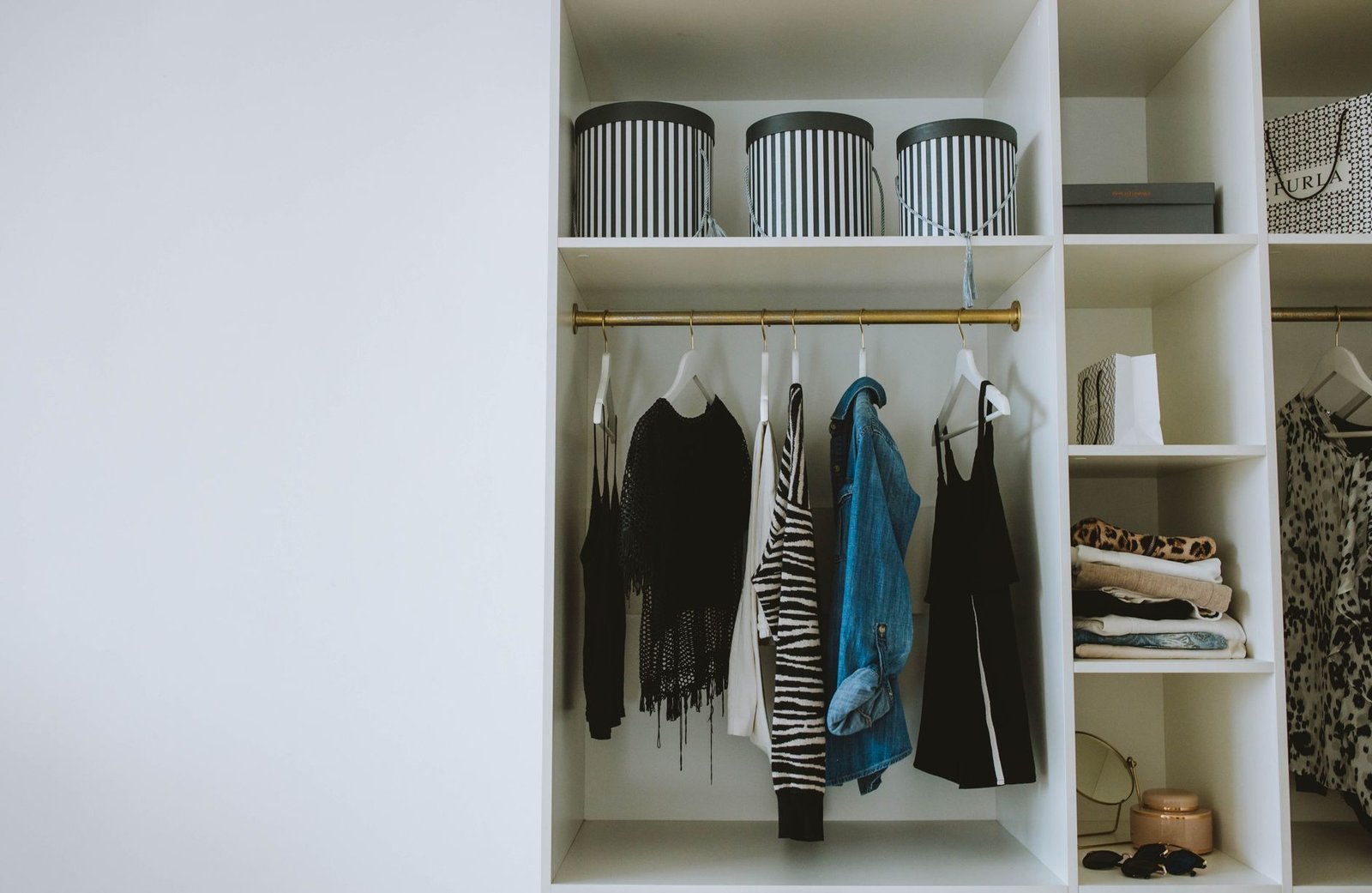
A common domestic challenge for many homeowners is the perennial problem of an overstuffed closet. Confronting a wardrobe that overflows with garments and accessories can transform daily routines into a frustrating experience rather than a comfortable one. Fortunately, achieving a state of optimized storage and enhanced efficiency is entirely within reach for the resident willing to engage in practical, DIY-friendly modifications. This article outlines five effective wardrobe upgrades that homeowners can implement to significantly increase storage capacity and streamline organization, incorporating industry trends and modern material developments relevant to 2026.
The Modern Wardrobe Challenge: Maximizing Every Inch
In 2026, living spaces often necessitate ingenious storage solutions, and the wardrobe, a central hub for personal items, is no exception. The traditional closet, frequently designed without maximal efficiency in mind, often struggles to accommodate a modern resident’s diverse clothing and accessory collection. Disorganization not only wastes valuable time but can also lead to premature wear of garments and a sense of domestic discomfort. The contemporary approach emphasizes smart, adaptable storage that utilizes every available dimension, transforming a chaotic space into a highly functional system. These DIY upgrades focus on leveraging vertical space, enhancing accessibility, and employing durable, sustainable materials to create a wardrobe that serves the homeowner’s needs efficiently.
5 DIY Wardrobe Upgrades for Enhanced Capacity in 2026
1. Vertical Integration: Double-Hanging and Adjustable Shelving
One of the most impactful strategies for expanding wardrobe capacity involves exploiting vertical space that often goes underutilized. Implementing multi-level hanging rods can instantly double the area available for shorter garments, such as shirts, skirts, and trousers. This involves installing a second rod below an existing one, making it crucial to measure garment lengths to prevent items from dragging. Complementing this, adjustable shelving systems offer unparalleled flexibility. Unlike fixed shelves, these allow the resident to reconfigure shelf heights as storage needs evolve, accommodating everything from folded sweaters to shoe collections or oversized bags. Modern DIY kits frequently feature lightweight yet robust components that are easy to install.
- Double-Hanging Rods: Simple to install with basic tools, these rods provide an immediate and substantial increase in hanging space, perfect for maximizing storage in standard-height closets. Options include expandable tension rods or fixed, screw-in systems for greater stability.
- Adjustable Shelf Systems: Utilizing tracks and brackets, these systems allow for complete customization of shelf height. Contemporary materials for these shelves often include high-density laminate boards, eco-friendly bamboo composites, or recycled composite panels, offering both durability and a sustainable edge in 2026.
- Material Spotlight 2026: The emphasis is on sustainability and strength. Lightweight, durable composite panels made from recycled plastics or sustainably sourced bamboo offer excellent load-bearing capacity while minimizing environmental impact. Modular systems with tool-free adjustments are also gaining prominence.
2. Smart Drawer Dividers and Pull-Out Solutions
Drawers, while essential, can quickly descend into disarray, making it difficult to locate specific items. The implementation of smart drawer dividers transforms chaotic compartments into organized zones. These dividers can be custom-cut from materials like bamboo, acrylic, or lightweight wood to precisely fit the drawer’s dimensions and the items they will hold, from socks and undergarments to ties and jewelry. For deeper wardrobes, pull-out shelves or baskets are revolutionary. These solutions convert what would otherwise be dark, inaccessible storage into easily reachable compartments, eliminating the need to rummage through stacked items at the back of the closet.
- Custom Dividers: Tailored dividers keep items neatly separated, preventing them from mixing and creating clutter. Materials like recycled PET plastic or interlocking bamboo offer flexible and eco-conscious options.
- Pull-Out Baskets and Shelves: Ideal for deep spaces, these units glide out smoothly on runners, providing full visibility and access to contents. Options range from wire baskets to solid shelves, often featuring soft-close mechanisms for a premium feel.
- Material Spotlight 2026: Modular, interlocking recycled PET (polyethylene terephthalate) dividers are popular for their sustainability and versatility. Smooth-gliding aluminum or composite runners, often with integrated soft-close technology, ensure quiet and effortless operation.
3. Door-Mounted Organizers: The Hidden Storage Hero
The inside surface of a wardrobe door is a frequently overlooked asset in the quest for expanded storage. This vertical plane can be effectively utilized to store a myriad of items, freeing up valuable internal closet space. Door-mounted solutions include over-the-door shoe racks, multi-hook systems for bags, scarves, or hats, and shallow shelving units for smaller accessories like ties, belts, or even beauty products. These additions are typically simple to install, often requiring minimal hardware or simply hooking over the top of the door.
- Multi-Pocket Organizers: Fabric or mesh organizers with multiple pockets are perfect for small, frequently used items such as jewelry, hosiery, or even charging cables.
- Hooks and Racks: Adhesive hooks, over-the-door hooks, or slim metal racks offer quick and accessible storage for accessories, keeping them visible and within easy reach.
- Material Spotlight 2026: Breathable, anti-microbial fabrics made from recycled materials are increasingly used for pocket organizers, promoting air circulation and preventing odor buildup. Sleek, minimalist designs in matte black metal or sustainable bamboo are trending for hooks and racks, blending seamlessly with modern interiors.
4. Zoned Storage and Transparent Containment
Effective organization transcends merely fitting items into a space; it involves strategic categorization and clear visibility. Implementing a zoned storage system means designating specific areas for different types of items – for example, seasonal clothing, formal wear, or activewear. This strategy simplifies the process of dressing and reduces decision fatigue. Transparent containment solutions, such as clear bins, stackable containers, and breathable garment bags, are crucial enablers of this system. They protect items from dust and pests while allowing the homeowner to quickly identify contents without opening each container.
- Seasonal Rotation: Utilizing transparent, stackable bins allows for effortless rotation of clothing between seasons. Items not currently in use can be stored neatly on higher shelves or under beds.
- Transparent Bins: Made from durable, clear materials, these containers provide an immediate visual inventory, saving time and effort. Labels can further enhance identification.
- Material Spotlight 2026: BPA-free, recycled clear acrylic or PET containers are the standard, offering durability and sustainability. Vacuum-sealable bags, increasingly made from robust, flexible bio-plastics, are ideal for compressing bulky off-season items, maximizing space in storage areas outside the main wardrobe.
5. Integrated Lighting and Smart Accessories
Beyond pure storage capacity, enhancing the functionality and user experience of a wardrobe can significantly improve its efficiency. The addition of integrated lighting transforms dark corners, making all items easily visible and accessible. Battery-operated or low-voltage LED strip lights, often motion-activated, are simple to install and energy-efficient. Furthermore, specialized accessories like pull-out tie and belt racks, valet rods for planning outfits, and dedicated jewelry organizers ensure that smaller, easily misplaced items have their designated, protected spots. These thoughtful additions elevate the wardrobe from a mere storage unit to an integral part of the daily routine.
- LED Strip Lighting: Easy-to-install, energy-efficient LED strips can be adhered inside wardrobe frames or shelves. Motion-activated sensors offer convenience and further energy savings, aligning with smart home trends of 2026.
- Specialized Accessories: Dedicated racks for ties, belts, and scarves, along with padded or velvet-lined jewelry drawers, prevent items from becoming tangled or damaged, preserving their condition.
- Material Spotlight 2026: Energy-efficient, long-lasting LED strips with options for smart home integration via apps or voice control are a key trend. Sleek, minimalist metal alloys or recycled wood composites are preferred for accessory organizers, emphasizing both durability and aesthetic appeal.
Embracing the Future of Wardrobe Organization
Transforming an overstuffed closet into an organized, efficient wardrobe is an achievable goal for any homeowner. By focusing on these five DIY upgrades, residents can unlock significant storage potential, improve daily routines, and contribute to a more harmonious living environment. The integration of 2026’s modern materials and smart solutions ensures that these modifications are not only practical and sustainable but also forward-thinking. Embracing these accessible projects allows the resident to take control of their domestic comfort, proving that a well-designed wardrobe is an essential component of a well-ordered home.