
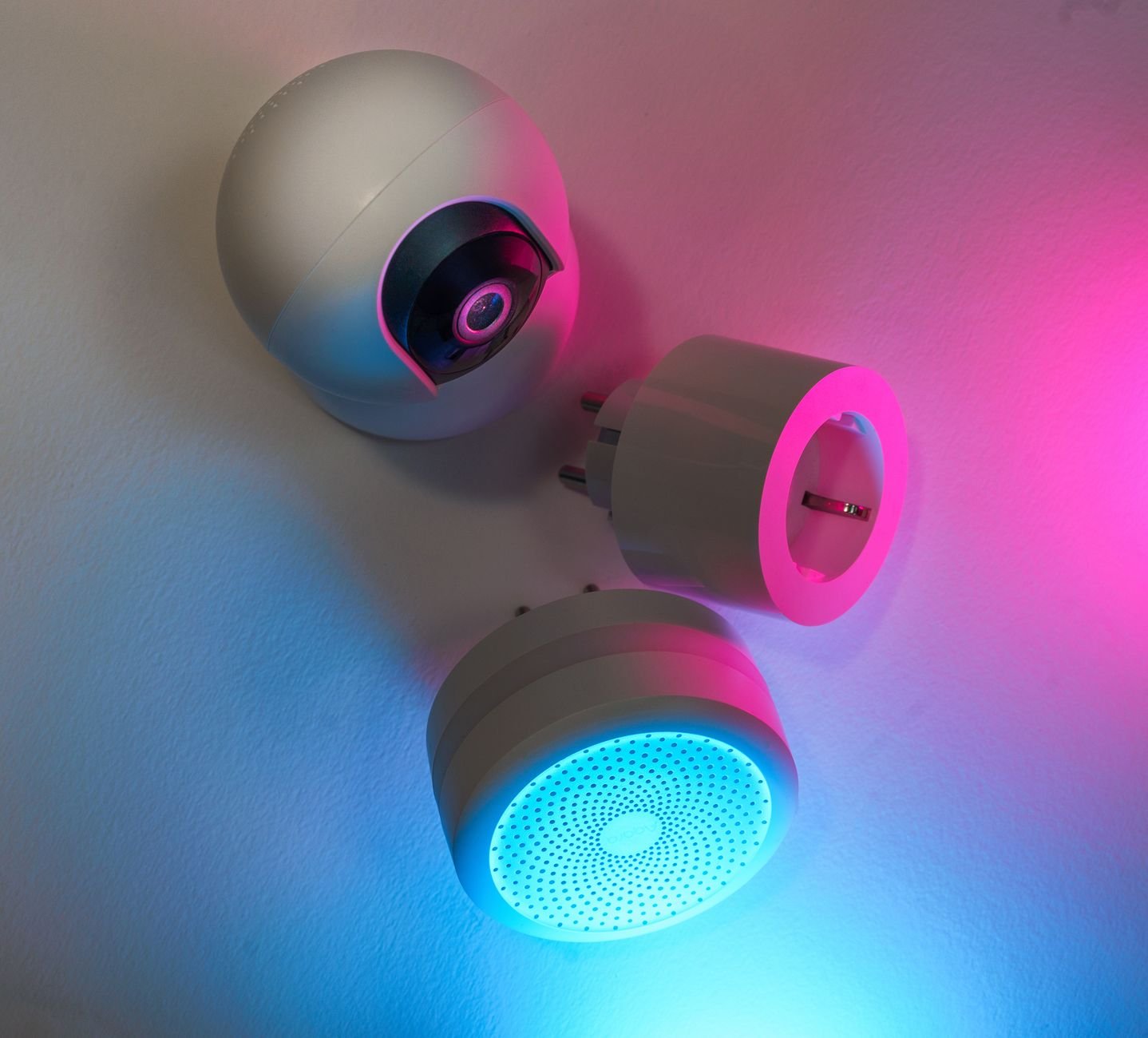
In 2026, creating a truly intelligent living space involves strategic choices in smart device deployment. When considering the foundational elements for whole-home automation, the debate between smart switches and smart plugs frequently arises. There isn’t a single ‘better’ option; instead, these technologies serve distinct, often complementary roles, and a comprehensive automation strategy typically leverages both for optimal functionality and aesthetic integration.
Understanding the nuances of each, including their installation, inherent capabilities, cost implications, and ideal applications, is crucial for homeowners aiming to construct a seamlessly automated environment that is both efficient and intuitive. This analysis will guide the resident through the contemporary landscape of smart lighting and appliance control, factoring in the latest industry trends and material innovations shaping the smart home of tomorrow.
Understanding Smart Switches in 2026
Smart light switches are fundamental components for integrating a home’s fixed lighting infrastructure into a smart ecosystem. By replacing traditional wall switches, they provide control over permanently installed light fixtures, fans, or other hardwired devices.
Installation & Aesthetics
Installation of a smart switch in 2026 typically involves replacing an existing wall switch. This process requires basic electrical knowledge, often necessitating a neutral wire connection for consistent power. While more involved than plugging in a device, the result is a clean, integrated aesthetic, eliminating visible wires or adapters. Modern smart switches are increasingly designed with minimalist profiles, often featuring capacitive touch controls, haptic feedback, and subtle OLED displays for status indication. Material trends in 2026 emphasize sustainable options, with many premium switches utilizing recycled polymer casings and brushed metal accents that seamlessly blend with contemporary interior design schemes.
Functionality & Advanced Features
Beyond simple on/off control, smart switches in 2026 offer a wealth of advanced functionalities. Dimming capabilities, scene creation, scheduling, and integration with voice assistants (like those powered by Matter-compatible hubs) are standard. Advanced models feature built-in occupancy sensors that leverage millimeter-wave radar for highly accurate presence detection, eliminating false positives and allowing for predictive lighting adjustments. Many now incorporate energy monitoring at the circuit level, providing detailed consumption data. The integration with predictive AI within smart home platforms allows these switches to anticipate a resident’s needs, adjusting lighting based on daily routines, natural light availability, and even biometric data from integrated wearables, all while ensuring local processing for enhanced privacy.
Cost & Value Proposition
The cost of smart switches generally ranges from moderate to high per unit, especially for premium models with advanced sensing and display features. However, their value proposition lies in their permanence, robust reliability, and the comprehensive control they offer over a home’s primary lighting infrastructure. For whole-home lighting automation, especially in new builds or significant renovations, investing in smart switches delivers superior aesthetic integration and long-term functionality.
Best Use Cases
- Whole-Room Lighting Control: Ideal for managing ceiling lights, recessed lighting, and ceiling fans across entire rooms or zones.
- Exterior Lighting: Perfect for automating outdoor security lights, landscape lighting, and porch lights, often integrated with dusk-to-dawn sensors or astronomical timers.
- High-Traffic Areas: Excellent for hallways, kitchens, and living rooms where comprehensive and predictive lighting automation is desired.
- Aesthetic Integration: When a clean, wire-free look is paramount, smart switches are the preferred choice for controlling hardwired fixtures.
Exploring Smart Plugs in 2026
Smart plugs offer a flexible and accessible entry point into home automation, transforming ordinary appliances into smart, controllable devices without permanent installation.
Installation & Flexibility
The primary advantage of smart plugs is their ‘plug-and-play’ installation. A resident simply plugs the smart plug into a standard wall outlet, and then plugs the desired appliance into the smart plug. This ease of setup makes them highly flexible for renters or those who prefer non-permanent solutions. In 2026, smart plugs have become incredibly compact, often featuring pass-through outlets to preserve receptacle availability, and some even integrate USB-C Power Delivery ports. Designs prioritize minimal visual impact, with many available in colors and finishes that blend with modern interior palettes. Sustainable design principles are also evident, with many units utilizing durable, heat-resistant bioplastic composites.
Functionality & Appliance Control
Smart plugs primarily offer on/off control for anything plugged into them, along with scheduling and remote access. Newer models in 2026 frequently include advanced power metering, allowing for granular energy consumption tracking of individual appliances. Beyond this, some smart plugs integrate environmental sensors like temperature and humidity, enabling them to trigger other smart home routines based on localized conditions. Matter-over-Thread compatibility is now standard, ensuring robust and responsive local control even if internet connectivity is temporarily lost, and facilitating seamless integration across diverse smart home ecosystems.
Cost & Accessibility
Smart plugs are generally more affordable per unit than smart switches, making them an accessible option for homeowners starting their automation journey or those on a budget. Their low cost and ease of deployment allow for incremental expansion of a smart home system.
Best Use Cases
- Small Appliances: Ideal for lamps (table, floor), coffee makers, fans, humidifiers, and aroma diffusers that plug into a standard outlet.
- Temporary or Flexible Automation: Excellent for seasonal decorations, holiday lights, or appliances that may be moved or changed frequently.
- Energy Monitoring: Useful for tracking the power consumption of ‘vampire’ devices or appliances to identify energy waste.
- Quick and Easy Setup: Perfect for residents who prefer minimal installation effort or are unable to modify existing electrical wiring.
Key Considerations for Whole-Home Automation
Building a cohesive smart home in 2026 requires careful thought regarding several critical aspects that transcend individual device choices.
Integration & Ecosystems
The advent of the Matter protocol in 2026 has significantly streamlined device compatibility. Homeowners no longer need to strictly adhere to a single brand ecosystem; Matter-certified smart switches and plugs can communicate seamlessly with each other and with various smart home hubs, regardless of manufacturer. This interoperability ensures a more robust and future-proof system, enhancing the resident’s flexibility in device selection and overall system design.
Power Consumption & Energy Management
With increasing global emphasis on sustainability, energy efficiency is a prime concern. Both smart switches and plugs contribute to energy management. Smart switches, especially those with advanced sensors, can automate lighting to minimize unnecessary usage. Smart plugs provide granular control over individual appliances, allowing residents to power down devices completely when not in use, curbing ‘vampire’ draw. Advanced smart home systems in 2026 leverage AI to analyze usage patterns and optimize energy consumption, often integrating with smart grid initiatives for peak load shifting.
Future-Proofing & Material Trends
When selecting devices, considering their longevity and adaptability is key. Choosing devices that support open standards like Matter and Thread ensures they will remain relevant as the smart home landscape evolves. Furthermore, the trend towards sustainable materials, such as bio-plastics, recycled metals, and modular designs that facilitate repair, contributes to a device’s environmental footprint and long-term viability. Homeowners should look for products with easily updatable firmware, ensuring compatibility with future software enhancements and security patches.
Security & Privacy
As smart homes become more sophisticated, so does the importance of data security and user privacy. Reputable brands prioritize these aspects, offering end-to-end encryption, local processing where possible (reducing reliance on cloud services for routine tasks), and transparent data handling policies. Residents should ensure that devices chosen support strong authentication methods and receive regular security updates to protect their digital living space.
The Verdict: Synergistic Integration for 2026
In the evolving landscape of 2026, the question of whether smart switches or smart plugs are ‘better’ for whole-home automation is best answered by acknowledging their complementary strengths. A truly intelligent and comfortable living environment rarely relies solely on one solution.
Strategic Deployment
For foundational, permanent lighting control that integrates seamlessly into a home’s architecture, smart switches are indispensable. They provide a refined, aesthetically pleasing solution for managing overhead lights, ceiling fans, and built-in fixtures, especially where comprehensive room automation and advanced sensor integration are desired. Their reliability and robust functionality make them the backbone of a sophisticated lighting scheme.
Conversely, for flexible control of plug-in appliances, lamps, and for those seeking an accessible entry point or temporary solutions, smart plugs offer unparalleled versatility and ease of use. They are excellent for fine-tuning specific appliance usage, monitoring energy consumption of individual devices, and expanding automation capabilities without significant installation effort. Their adaptability makes them perfect for renters, for seasonal changes, or for experimenting with new automation routines.
Achieving Comprehensive Automation
The optimal whole-home automation strategy in 2026 involves a synergistic blend of both technologies. Imagine a living room where overhead lights are controlled by an intelligent smart switch with presence detection, while a floor lamp and an air purifier are managed by smart plugs, all orchestrated through a unified Matter-compatible hub. This integrated approach allows for customized control, energy efficiency, and a truly comfortable domestic environment.
The discerning homeowner planning their smart home for 2026 should evaluate each room and its specific needs. Fixed light sources and high-use fixtures warrant the permanence and advanced features of smart switches, while plug-in appliances and areas requiring flexibility benefit from the adaptability of smart plugs. By leveraging the unique advantages of both, residents can create an automation system that is robust, elegant, efficient, and perfectly tailored to their lifestyle.