
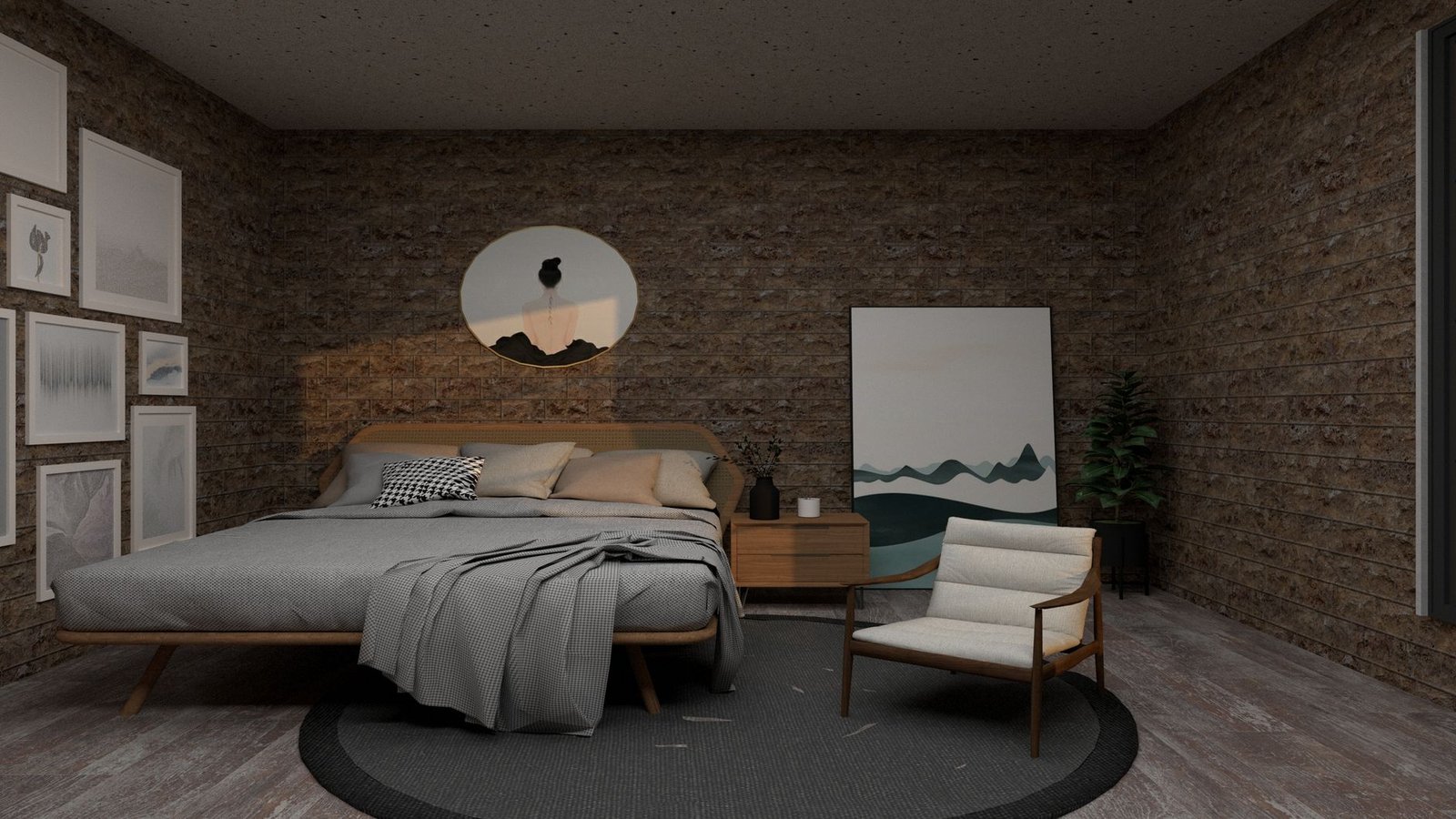
For homeowners seeking to mitigate unwanted sound, the choice between an area rug and wall-to-wall carpet presents distinct advantages for noise reduction in 2026. While wall-to-wall carpeting generally offers a more comprehensive solution for whole-room acoustic dampening, area rugs provide flexible, targeted sound absorption, making the optimal selection dependent on specific acoustic goals, budget, and aesthetic vision. This analysis delves into the effectiveness, cost, and maintenance of each option, incorporating modern material developments and industry trends to guide informed decisions for a quieter home environment.
Understanding Acoustic Performance and Material Innovation
Effective noise reduction within a residential space hinges on the strategic application of sound-absorbing materials. Both area rugs and wall-to-wall carpeting achieve this by dampening airborne sound waves and absorbing impact noise, preventing their reflection off hard surfaces. The degree of effectiveness, however, varies significantly based on coverage, material composition, and innovative advancements seen in the 2026 market.
The Science of Sound Absorption
Soft surfaces, such as textiles, reduce noise primarily through two mechanisms: sound absorption and impact dampening. Sound waves, upon striking a soft, porous material, lose energy as they convert into kinetic energy within the fibers, reducing reverberation and echo. Impact noise, generated by footsteps or dropped objects, is mitigated as the material absorbs the force, preventing its transmission through the floor structure. Key factors influencing acoustic performance include material density, pile height, and the presence of specialized backings or underlays. Higher density and thicker piles generally correlate with superior sound absorption coefficients (NRC) and better impact insulation class (IIC).
Wall-to-Wall Carpet for Comprehensive Sound Dampening
Wall-to-wall carpeting stands as the uncontested leader for comprehensive, whole-room noise reduction. Its expansive coverage ensures that a significant portion of the floor surface is acoustically treated, drastically reducing airborne noise and echo throughout a space. For residents living in multi-story dwellings, wall-to-wall carpet, particularly when installed with a quality underlay, is exceptionally effective at absorbing impact noise, minimizing sound transfer to lower levels. This makes it an ideal choice for bedrooms, nurseries, and upper-story living areas where noise mitigation is paramount.
In 2026, advancements in wall-to-wall carpeting focus on enhanced acoustic properties without compromising durability or aesthetics. Modern options frequently feature integrated acoustic backing systems, eliminating the need for separate underlays while offering superior sound dampening. Materials like high-density recycled polyester and advanced nylon blends are engineered with tighter twists and denser piles, boosting their NRC ratings. Furthermore, developments in natural fiber carpets, such as thick wool blends from sustainable sources, continue to offer excellent inherent acoustic properties combined with luxurious feel and eco-conscious appeal.
Area Rugs for Targeted Acoustic Management
Area rugs offer a more flexible and targeted approach to noise reduction. While they do not provide the full-room coverage of wall-to-wall carpet, strategically placed area rugs can significantly mitigate reverberation in rooms with hard flooring (wood, tile, concrete), especially in specific zones like seating areas or under dining tables. They are particularly adept at softening footsteps within their footprint and absorbing localized airborne sounds.
Contemporary area rug innovations in 2026 include multi-layer constructions that incorporate dense felt or rubberized backings directly into the rug structure, enhancing their sound-absorbing capabilities. Specialized acoustic underlays, sold separately, can further amplify an area rug’s effectiveness, transforming a decorative piece into a potent acoustic treatment. Materials range from high-density synthetic blends designed for maximum sound absorption to artisanal natural fibers like jute and sisal, which, when thickly woven, offer surprising acoustic benefits. Customizable sizes and shapes also allow for precise acoustic placement in challenging architectural spaces.
Cost, Installation, and Maintenance Considerations
The decision between area rugs and wall-to-wall carpeting extends beyond acoustic performance to practical considerations of initial outlay, installation complexity, and long-term upkeep.
Initial Investment and Installation
The initial investment for wall-to-wall carpeting is typically higher due to the cost of materials for larger areas and the necessity of professional installation. This involves careful measurement, potential subfloor preparation, and skilled labor for stretching and seaming. While professional installation ensures optimal aesthetic and acoustic performance, it represents a significant upfront expenditure. However, innovative solutions such as modular carpet tiles, gaining traction in 2026, offer a DIY-friendly, lower-cost alternative for partial room coverage or future patch-and-replace scenarios.
Area rugs, conversely, generally involve a lower individual item cost and require no professional installation. A homeowner can simply unroll and position the rug, offering immediate gratification and significant cost savings on labor. The overall cost can vary dramatically based on size, material, and brand, from budget-friendly synthetic options to high-end, hand-knotted natural fiber rugs. The flexibility of purchasing one or multiple rugs also allows for phased budgeting.
Long-Term Maintenance and Durability
Maintenance for wall-to-wall carpeting typically involves regular vacuuming and professional deep cleaning annually or semi-annually, especially in high-traffic zones. Modern wall-to-wall carpets often feature advanced stain-resistant treatments (e.g., PFAS-free technologies) and anti-microbial properties, making them easier to maintain and more hygienic. Despite these advancements, wear patterns can become visible in heavily trafficked pathways over time, necessitating eventual replacement of the entire carpet.
Area rugs offer greater flexibility in maintenance. Smaller rugs can be easily taken outside for shaking or cleaned in a utility sink. Larger rugs can be spot-cleaned in place or sent off-site for professional cleaning. Their modular nature allows for rotation, distributing wear more evenly, and individual rugs can be replaced without affecting the entire flooring. The durability of an area rug is largely dependent on its material and construction, with robust synthetic blends and tightly woven natural fibers designed for longevity.
Environmental and Health Aspects (2026 Perspective)
The year 2026 sees continued emphasis on sustainability and indoor air quality. Both carpeting options are increasingly available with low-VOC (Volatile Organic Compound) certifications, ensuring healthier indoor environments. Manufacturers are prioritizing recycled content in synthetic fibers (e.g., PET from plastic bottles) and promoting responsibly sourced natural materials. For homeowners with allergies, hypoallergenic carpet options, often made with short, dense piles and treated for dust mite resistance, are readily available for both wall-to-wall and area rug formats. The ease of removal and potential for recycling are also factors influencing eco-conscious residents.
Strategic Selection for Optimal Acoustic Comfort
The optimal choice between an area rug and wall-to-wall carpet ultimately depends on the specific acoustic challenges, design aspirations, and practical constraints of the individual home.
When Wall-to-Wall Excels
- Comprehensive Noise Reduction: For spaces requiring maximum sound absorption across the entire floor, such as bedrooms, nurseries, or home theaters.
- Impact Noise Mitigation: Crucial for multi-level homes to reduce footfall noise transfer to lower floors.
- Thermal Insulation: Provides an additional layer of insulation, contributing to energy efficiency.
- Seamless Aesthetics: Offers a uniform, continuous look that can make rooms appear larger and more cohesive.
When Area Rugs Offer the Advantage
- Design Flexibility: Allows for easy changes in décor, defining zones within open-plan spaces, and adding visual interest.
- Targeted Acoustic Treatment: Ideal for hard-floored rooms where only specific areas require sound dampening (e.g., under a conversation area).
- Protection for Hardwood Floors: Guards against scratches and wear, extending the life of underlying flooring.
- Budget-Friendly: A lower initial investment and easier replacement options compared to full carpeting.
Synergistic Approaches for Superior Acoustics
For residents aiming for the highest level of acoustic comfort, a combined approach often yields the best results. Placing area rugs over existing wall-to-wall carpet can create an additional layer of sound absorption, especially beneficial in specific zones like meditation corners or reading nooks. Conversely, utilizing specialized acoustic underlays beneath area rugs on hard floors dramatically boosts their noise-reduction capabilities. Complementary acoustic treatments, such as heavy drapery, upholstered furniture, and acoustic wall panels, further enhance the overall sound dampening, creating a serene and comfortable domestic environment in 2026.
Conclusion
The decision between area rugs and wall-to-wall carpeting for noise reduction in 2026 is a nuanced one, with each option presenting distinct benefits. Wall-to-wall carpet offers unparalleled comprehensive sound dampening and impact noise absorption for entire rooms, while area rugs provide flexible, targeted acoustic solutions and design versatility. By carefully considering the specific acoustic needs of a space, budgetary parameters, maintenance preferences, and the wealth of modern material innovations, homeowners can confidently select the optimal flooring strategy to cultivate a quieter, more comfortable living environment.