
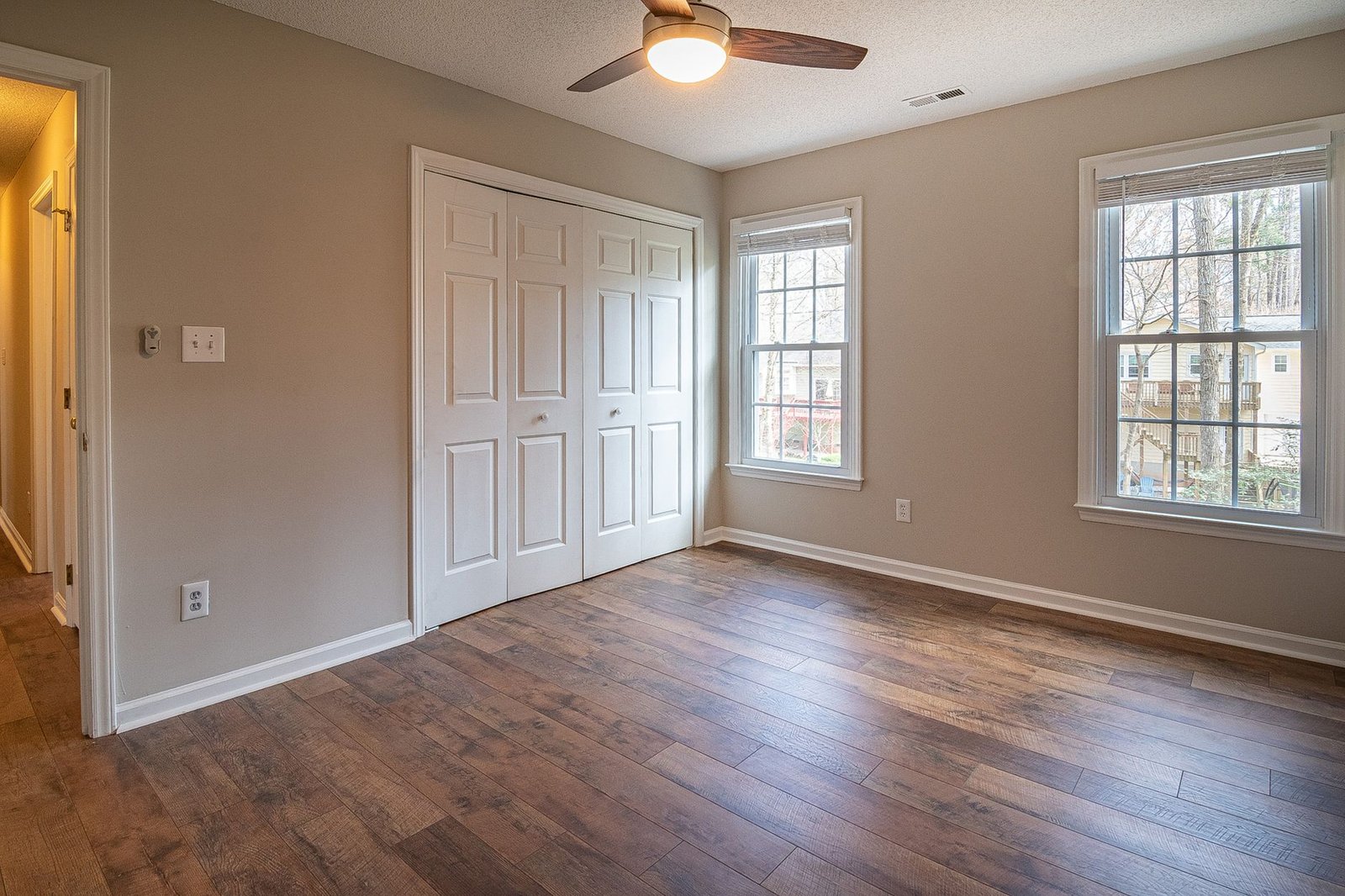
For homeowners navigating the complexities of interior design in regions with elevated humidity, selecting the optimal flooring is a critical decision. In 2026, when comparing hardwood and engineered wood options for such environments, engineered wood flooring generally presents a superior choice due to its enhanced dimensional stability and inherent resistance to moisture-induced expansion and contraction. However, advancements in both material categories offer nuanced considerations that merit a detailed examination before a final selection is made, catering to specific aesthetic desires and functional demands.
Understanding the Humidity Challenge for Flooring
Wood, by its very nature, is a hygroscopic material, meaning it absorbs and releases moisture from its surrounding environment. In humid climates, this inherent property poses a significant challenge for flooring. When relative humidity (RH) levels fluctuate dramatically, solid wood planks can expand, contract, warp, cup, or buckle. This instability leads to unsightly gaps, uneven surfaces, and potential structural damage over time. The key to successful flooring installation in these regions lies in selecting materials and employing installation techniques that mitigate these moisture-related stresses, ensuring longevity and maintaining aesthetic appeal.
Hardwood Flooring in 2026: Classic Appeal, Modern Challenges
Traditional Hardwood Construction and Vulnerabilities
Solid hardwood flooring, derived from a single piece of timber, remains a timeless choice for many interiors. Its uniform composition, however, makes it highly susceptible to environmental moisture. Each plank responds directly to changes in atmospheric humidity, leading to significant dimensional instability in consistently humid or fluctuating conditions. Without stringent environmental controls, solid hardwood can exhibit considerable movement, compromising both appearance and structural integrity.
Advancements and Species Selection for Hardwood
In 2026, the selection of wood species plays an even more crucial role for hardwood installations in humid areas. Denser, more stable species such as White Oak, Hickory, and certain exotic hardwoods like Brazilian Cherry (Jatoba) or Brazilian Teak (Cumaru) are preferred due to their natural resistance to moisture absorption and subsequent movement. Modern finishing techniques also offer enhanced protection. Penetrating oil finishes, once considered less durable, have seen advancements, providing a more resilient, moisture-resistant barrier that allows the wood to breathe while offering improved protection. Additionally, high-performance, multi-layer polyurethane and ceramic-infused urethane finishes are now standard, creating a robust, almost impenetrable surface layer that significantly reduces surface moisture ingress compared to historical lacquer or shellac options.
Hardwood Maintenance in Humid Environments
Maintaining solid hardwood in humid climates necessitates meticulous environmental control. The resident must prioritize maintaining a consistent indoor relative humidity, ideally between 40% and 60%, through the use of high-efficiency HVAC systems, smart dehumidifiers, and climate monitoring devices. Regular cleaning with manufacturer-recommended pH-neutral cleaners and prompt attention to spills are essential to prevent moisture from compromising the finish and the wood itself.
Engineered Wood Flooring in 2026: Stability and Innovation
The Engineered Wood Advantage: Layered Stability
Engineered wood flooring is constructed with multiple layers, typically a core of plywood or high-density fiberboard (HDF), topped with a real wood veneer (the wear layer). This cross-ply construction—where wood grains in adjacent layers run in opposite directions—is the cornerstone of its superior dimensional stability. This design significantly counteracts the natural tendency of wood to expand and contract with moisture changes, making engineered wood a far more forgiving option for humid environments.
2026 Innovations in Engineered Wood Technology
The year 2026 showcases remarkable advancements in engineered wood technology, particularly benefiting homeowners in humid regions:
- Water-Resistant Cores: While traditionally moisture-resistant, a new generation of engineered wood features enhanced HDF cores with advanced resin treatments or even fully waterproof polymer cores in premium lines. These innovations offer unprecedented protection against spills and ambient humidity, pushing the boundaries of where wood flooring can be installed.
- Advanced Adhesives and Manufacturing: The glues used in manufacturing engineered planks are now significantly more moisture-resistant, ensuring the integrity of the layers even under sustained humidity exposure. Improved milling processes also contribute to tighter joints, further minimizing moisture penetration.
- High-Performance Wear Layers: The industry continues to develop ultra-durable wear layers. Modern finishes include ceramic-enhanced urethane, aluminum oxide, and UV-cured acrylics, which not only protect the real wood veneer from abrasion but also create a robust shield against surface moisture, reducing the need for intensive daily maintenance. These finishes maintain their clarity and protective qualities for extended periods.
Engineered Wood Maintenance in Humid Environments
Engineered wood flooring, while more forgiving than solid hardwood, still benefits from a stable indoor climate. However, its maintenance requirements regarding humidity control are considerably lower. The homeowner should still aim for reasonable RH stability, but the product’s inherent construction provides a wider tolerance. Regular sweeping or vacuuming and occasional damp mopping with approved cleaners are typically sufficient, making it a practical choice for busy households.
Key Considerations for Humid Climates: Hardwood vs. Engineered Wood
Dimensional Stability and Moisture Resistance
Engineered wood unequivocally leads in dimensional stability and moisture resistance due to its cross-ply construction. It significantly outperforms solid hardwood in environments with fluctuating humidity, exhibiting minimal gapping, cupping, or warping. Solid hardwood, conversely, demands diligent environmental control to mitigate these issues.
Cost and Installation
The cost of both flooring types varies widely based on wood species, wear layer thickness (for engineered), and finish quality. Generally, engineered wood can be more cost-effective, particularly for wider plank formats. Installation can also be more forgiving for engineered wood, with many products featuring convenient click-lock systems. However, for both types, professional installation by experienced technicians familiar with local climate conditions is highly recommended to ensure proper acclimatization and adherence to best practices.
Aesthetics and Longevity
Both options offer the unparalleled beauty of real wood. Modern engineered wood manufacturing allows for a vast array of species, stains, and finishes, replicating virtually any solid hardwood aesthetic. In terms of longevity, solid hardwood can be sanded and refinished many times over its lifespan, potentially lasting a century or more with proper care. Engineered wood’s refinishing potential depends on its wear layer thickness; thicker veneers (3-6mm) allow for multiple refinishes, offering a lifespan comparable to solid hardwood in many residential settings.
2026 Industry Trends Impacting Flooring Choices
Sustainability and Sourcing
The emphasis on sustainable practices continues to grow in 2026. Both hardwood and engineered wood manufacturers are increasingly focused on FSC-certified (Forest Stewardship Council) products, ensuring responsible forestry. Engineered wood often has an edge in sustainability, as its construction allows for the use of less old-growth timber for its veneer layer, maximizing resource efficiency.
Smart Home Climate Management
The proliferation of smart home technology, including advanced thermostats and humidity sensors integrated into central HVAC systems, is a significant trend. These systems allow for precise, automated control of indoor climate, creating optimal conditions for all wood flooring types. This technology is particularly beneficial for solid hardwood, offering an invaluable tool for maintaining the required stable environment.
Wider Planks and Longer Lengths
Aesthetics in 2026 continue to favor wider planks and longer lengths, creating a more expansive and contemporary feel in interior spaces. This trend further highlights engineered wood’s stability advantage, as wider solid wood planks are inherently more prone to movement in humid conditions compared to their engineered counterparts.
Making the Final Decision for Humid Regions
For homeowners in humid climates seeking durable, stable, and aesthetically pleasing flooring, engineered wood flooring stands out as the generally superior choice in 2026. Its innovative construction, combined with advancements in water-resistant cores and high-performance finishes, provides robust protection against moisture-induced damage. While solid hardwood retains its classic appeal, its suitability in high-humidity environments hinges critically on meticulous climate control and careful species selection. A professional consultation with a flooring specialist, considering the specific humidity levels of the property and the homeowner’s lifestyle, remains the most prudent step to ensure a successful and long-lasting flooring investment.