
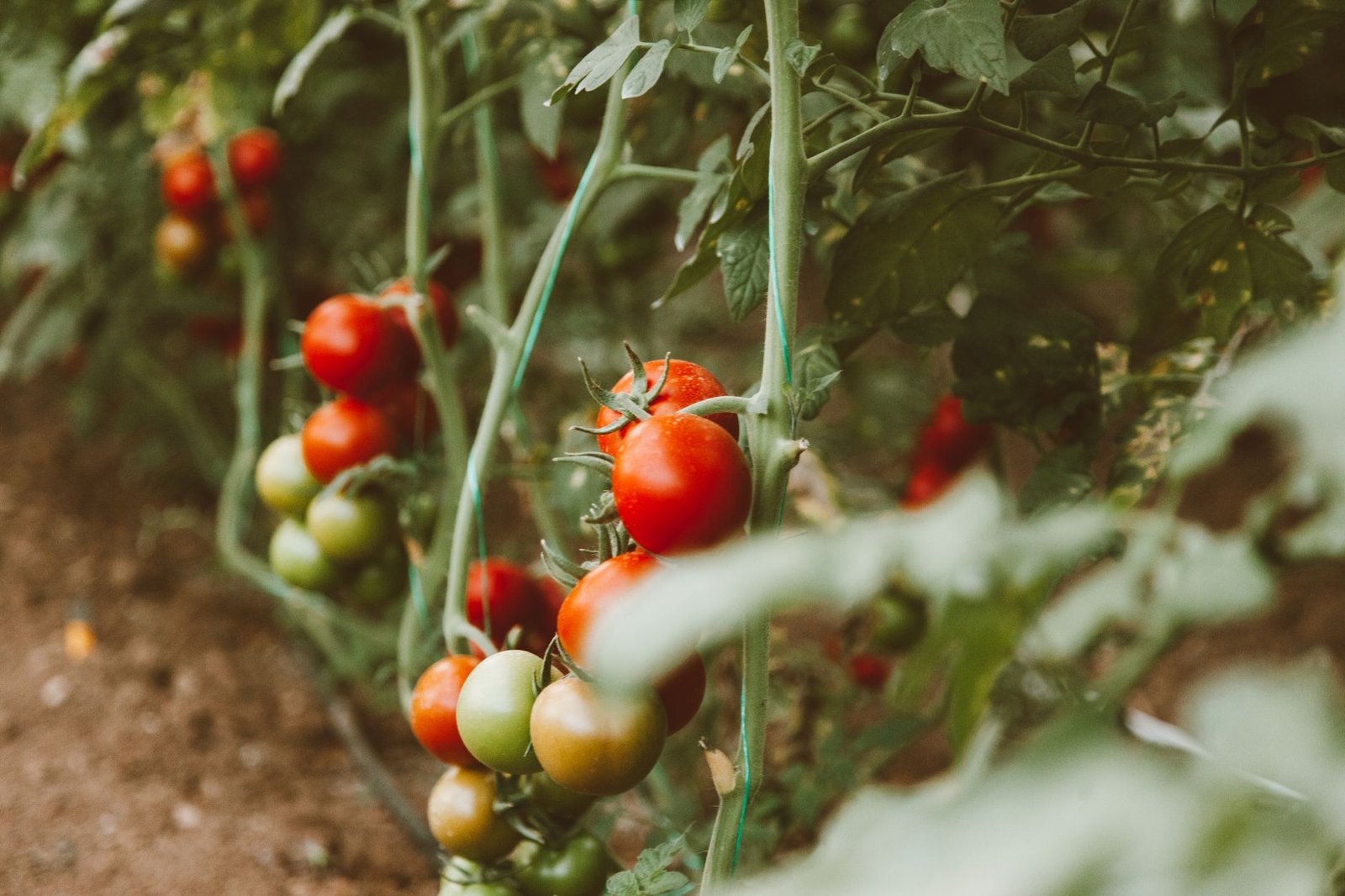
When tomato plants exhibit signs of pest damage, such as chewed leaves, stunted growth, or unseen invaders, immediate and effective intervention is necessary to secure a healthy crop. Achieving a bountiful harvest in 2026 without relying on harsh chemicals is entirely feasible through the implementation of natural pest control methods. These strategies focus on ecological balance and proactive measures, ensuring the continued vitality of the garden ecosystem.
Understanding Common Tomato Pests in 2026
Identifying the culprits is the first step toward effective pest management. Common adversaries of tomato plants include the formidable tomato hornworm, easily recognized by its large size and distinct horn-like appendage. Aphids, tiny sap-sucking insects, often congregate on new growth, causing distortion and transmitting diseases. Whiteflies, small moth-like insects, can quickly multiply and weaken plants by feeding on sap. Spider mites, though microscopic, leave tell-tale webbing and a speckled appearance on leaves. Cutworms sever young seedlings at the soil line, while stink bugs damage ripening fruit.
Holistic Garden Health: The Foundation of Pest Prevention
A thriving garden is inherently more resistant to pest infestations. Cultivating a robust ecosystem starts with the soil. Enriching the soil with nutrient-dense compost and organic matter supports strong plant growth, which naturally deters pests. Proper watering practices are crucial; overwatering can lead to root rot and fungal issues, while underwatering stresses plants, making them more susceptible to attack. Selecting disease-resistant tomato cultivars, widely available in 2026, provides an important line of defense. Ensuring adequate sunlight and good air circulation for plants also minimizes conditions favorable to many pests and diseases.
Five Natural Pest Control Methods for a Bountiful 2026
1. Companion Planting and Biodiversity
Integrating specific plants within the tomato patch can naturally deter pests and attract beneficial insects. This time-honored practice, refined with 2026 horticultural insights, utilizes plant synergies. Marigolds (Tagetes spp.) are renowned for repelling nematodes and whiteflies when planted nearby. Nasturtiums act as a trap crop for aphids and squash bugs, diverting them from tomatoes. Borage is known to deter tomato hornworms and attract pollinators and beneficial wasps. Strategic placement of herbs like basil can also help repel flies and thrips. Modern gardeners in 2026 are increasingly utilizing diverse flowering plants to create a biodiverse environment, fostering natural predator populations that keep pest numbers in check.
2. Physical Barriers and Exclusion
Creating physical obstacles is an effective, non-chemical way to protect tomato plants. Floating row covers, made from fine mesh fabric, can shield young plants from flying insects and larger pests during vulnerable stages. These lightweight covers allow light and water penetration while preventing pest access. For larger pests like hornworms, daily inspection and hand-picking remain highly effective. Cutworm collars, fashioned from recycled plastic or cardboard and placed around seedling stems, prevent these pests from severing young plants. In 2026, advances in material science offer durable, biodegradable mesh covers and smart sensor-integrated barriers that can alert the homeowner to potential breaches, enhancing protective measures.
3. Beneficial Insects and Biological Controls
Enlisting nature’s own pest control agents is a cornerstone of organic gardening. Releasing beneficial insects such as ladybugs, lacewings, and parasitic wasps can significantly reduce pest populations. Ladybugs are voracious aphid eaters, while lacewing larvae consume aphids, whiteflies, and spider mites. Specific parasitic wasps target hornworms and various caterpillar species. To encourage these natural predators, the resident can plant a variety of nectar-rich flowers. In 2026, commercially available targeted microbial solutions, such as specific strains of Bacillus thuringiensis for hornworm control, have become more precise and accessible, offering highly effective and environmentally safe biological interventions.
4. Organic Sprays and Deterrents
When pest populations begin to escalate, organic sprays offer a targeted approach. Neem oil, derived from the neem tree, acts as a broad-spectrum deterrent, disrupting insect feeding and reproduction without harming beneficial insects when applied correctly. Insecticidal soaps effectively manage soft-bodied pests like aphids and whiteflies by suffocating them. Homemade garlic or chili sprays can deter a range of pests due to their strong scents and irritating compounds. Diatomaceous earth, a natural powder made from fossilized diatoms, works by dehydrating crawling insects, providing a physical deterrent. 2026 has seen the development of more advanced, bio-active plant extracts and essential oil blends for precision application, maximizing efficacy and minimizing ecological footprint.
5. Garden Hygiene and Rotation
Maintaining a clean and orderly garden space is fundamental to pest prevention. Regularly removing diseased leaves, fallen fruit, and plant debris eliminates potential breeding grounds and overwintering sites for pests and pathogens. Thorough weed control is also vital, as many weeds host pests that can later migrate to tomato plants. Implementing a strategic crop rotation plan prevents the buildup of pest populations and soilborne diseases specific to tomatoes. Gardeners in 2026 are increasingly utilizing data-driven rotation planning tools, optimizing plant placement to disrupt pest life cycles and enhance soil health. A comprehensive fall cleanup is essential to prepare the garden for the next season, reducing pest pressure for the upcoming harvest.
Leveraging 2026 Innovations for Enhanced Pest Management
The year 2026 brings exciting technological advancements to the home garden, further empowering natural pest control efforts. Smart garden sensors, integrated with horticultural platforms, can monitor environmental conditions like soil moisture, temperature, and nutrient levels, providing early alerts for conditions favorable to pest outbreaks. AI-powered diagnostics, accessible via smartphone applications, allow the homeowner to identify pests from a photograph and receive instant, tailored recommendations for natural treatments. Biodegradable mulches infused with organic deterrents offer dual benefits of weed suppression and pest repulsion. Furthermore, the increasing availability of specialized biological controls and sustainable, upcycled materials for garden infrastructure provides cultivators with robust, eco-friendly tools for managing garden health and ensuring a truly bountiful 2026 tomato harvest.