
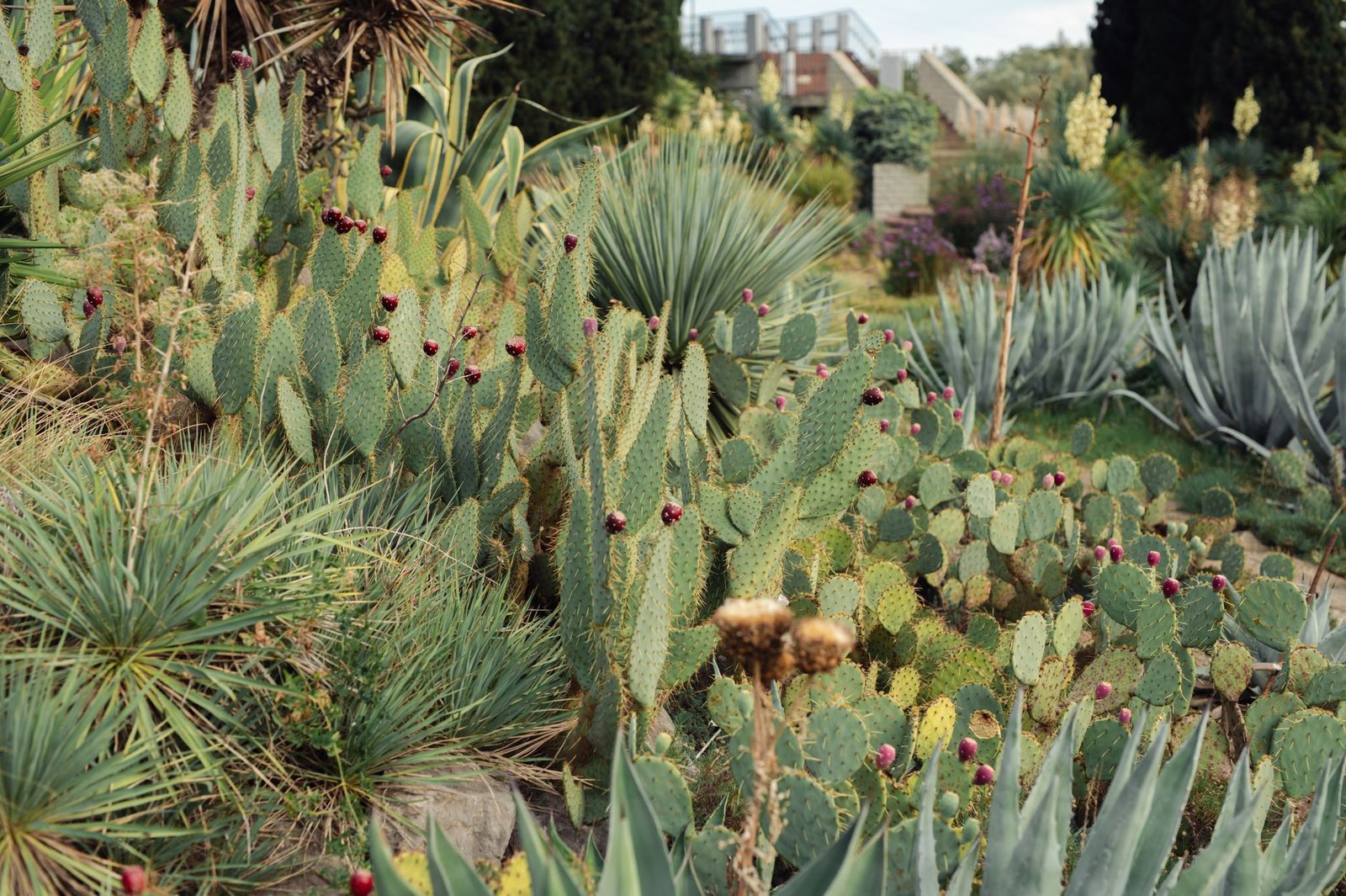
Introduction: Vibrant Gardens for a Water-Wise Future
As 2026 unfolds, the imperative for water-efficient landscaping remains a cornerstone of responsible home design. The good news for garden enthusiasts is that a commitment to sustainability does not necessitate sacrificing visual appeal. Indeed, numerous beautiful, low-water plants thrive in dry conditions while providing vibrant color and enduring visual interest to gardens. This article highlights seven such resilient species, perfect for creating stunning, sustainable outdoor spaces in the coming year and beyond.
The Evolving Landscape: 2026 Water-Wise Trends
The year 2026 marks a significant period for advancements in sustainable landscape architecture. Modern approaches to drought-tolerant gardening extend beyond plant selection to include sophisticated technological integrations and ecological design principles. Smart irrigation systems, increasingly powered by AI-driven sensors, precisely monitor soil moisture and weather patterns, optimizing water delivery to specific plant zones. This intelligent automation minimizes waste, ensuring plants receive exactly what they need without overconsumption.
Material developments also play a crucial role. Permeable paving solutions, often incorporating recycled aggregates or bio-concrete, are gaining traction, allowing rainwater to infiltrate the ground rather than becoming runoff. Advanced soil amendments, such as biochar-enriched soils and specialized water-retentive polymers, are being utilized to enhance soil health and significantly improve its capacity to hold moisture, reducing the frequency of irrigation. Furthermore, the integration of native plant initiatives and broader ecological design principles prioritizes biodiversity, supporting local ecosystems while dramatically lowering maintenance and water requirements.
Seven Vibrant, Drought-Tolerant Plant Selections
Creating a colorful, water-wise garden in 2026 is entirely achievable with the right plant choices. The following selections offer impressive floral displays and robust resilience in dry conditions:
Lavender (Lavandula spp.)
Renowned for its soothing fragrance and iconic purple spikes, lavender is a quintessential drought-tolerant plant. Varieties like ‘Hidcote’ or ‘Munstead’ offer dense, aromatic foliage and profuse blooms, perfect for borders or mass plantings. Its silvery-green leaves provide year-round texture, while the flowers attract pollinators. Lavender thrives in full sun and well-drained soil, embodying low-maintenance elegance for any 2026 garden.
Sedum (Sedum spectabile)
Often referred to as Stonecrop, Sedum provides a remarkable spectrum of color and form, with succulent leaves and vibrant flower clusters. Varieties such as ‘Autumn Joy’ boast rosy-pink blooms that deepen to russet-red in fall, extending the garden’s interest well into cooler months. Sedum is exceptionally hardy, requiring minimal water once established, and offers architectural interest, making it a favorite for modern, water-efficient landscapes.
Salvia (Salvia nemorosa ‘Caradonna’)
The ‘Caradonna’ variety of Salvia nemorosa is celebrated for its deep violet-blue flower spikes and nearly black stems, creating a striking vertical accent in the garden. Its continuous blooming from late spring through summer provides sustained color, attracting hummingbirds and butterflies. This perennial demands little water and performs best in full sun, making it an excellent choice for vibrant, resilient garden designs.
Gaillardia (Gaillardia x grandiflora)
Commonly known as Blanket Flower, Gaillardia is a sun-loving perennial producing an abundance of daisy-like flowers with fiery red, orange, and yellow hues. Cultivars like ‘Goblin’ offer a compact growth habit, ideal for smaller spaces or containers. Its cheerful, long-lasting blooms are perfect for adding a splash of bold color to dry, sunny locations, requiring very little moisture once mature.
California Poppy (Eschscholzia californica)
For brilliant, ethereal color, the California Poppy is unparalleled. Its cup-shaped flowers, typically in shades of bright orange and yellow, dance gracefully in the breeze. While often treated as an annual, it readily self-seeds, creating a continuous display. This native plant is perfectly adapted to dry conditions and poor soils, making it an effortless addition to any drought-tolerant scheme aiming for vibrant, naturalistic appeal.
Yarrow (Achillea millefolium)
Yarrow is a robust perennial offering flat-topped clusters of tiny flowers in shades of yellow, pink, red, and white. Varieties such as ‘Paprika’ deliver bold, intense color, while ‘Coronation Gold’ presents bright yellow. Its feathery foliage adds texture, and its ability to withstand hot, dry conditions and poor soil makes it an exceptionally valuable asset. Yarrow is also a superb pollinator magnet, enhancing biodiversity in the garden.
Coneflower (Echinacea purpurea)
Echinacea, or Coneflower, is a beloved perennial recognized for its prominent central cones surrounded by vibrant petals. While the classic purple variety is popular, new cultivars offer a palette of pinks, whites, yellows, and oranges, such as ‘Cheyenne Spirit’. These resilient plants are highly drought-tolerant once established and provide architectural interest and essential nectar for pollinators throughout the summer, serving as a cornerstone for 2026 sustainable gardens.
Integrating Sustainable Design: 2026 Innovations
Beyond individual plant selection, integrating a holistic design approach is key to achieving truly sustainable and colorful outdoor spaces in 2026. Xeriscaping principles, which involve zoning plants by water needs, are crucial. This allows for efficient irrigation and healthier plant growth. Layered planting, combining ground covers, shrubs, and taller perennials, creates depth and visual interest while also contributing to soil moisture retention and weed suppression.
Vertical gardening, particularly with modular green wall systems, offers innovative solutions for adding lushness and color in water-stressed urban environments or compact spaces. These systems are increasingly designed with integrated drip irrigation, making them highly water-efficient. Additionally, material developments in hardscaping, such as recycled composite decking and permeable resin-bound surfaces, offer aesthetic appeal while enhancing the overall ecological footprint of the property. Selecting adaptive plant varieties, bred for resilience to changing climate patterns, further future-proofs the garden against environmental shifts.
Achieving Lasting Beauty and Efficiency
The goal for 2026 landscaping is to merge aesthetic splendor with environmental stewardship. By carefully selecting drought-tolerant plants that offer a kaleidoscope of colors, residents can create captivating outdoor environments that require significantly less water and maintenance. The combination of resilient plant species, smart irrigation technologies, and sustainable hardscaping materials ensures that the garden not only thrives but also contributes positively to ecological balance. Thoughtful planning and an embrace of modern sustainable practices empower the homeowner to cultivate vibrant, enduring beauty while conserving precious resources for years to come.