
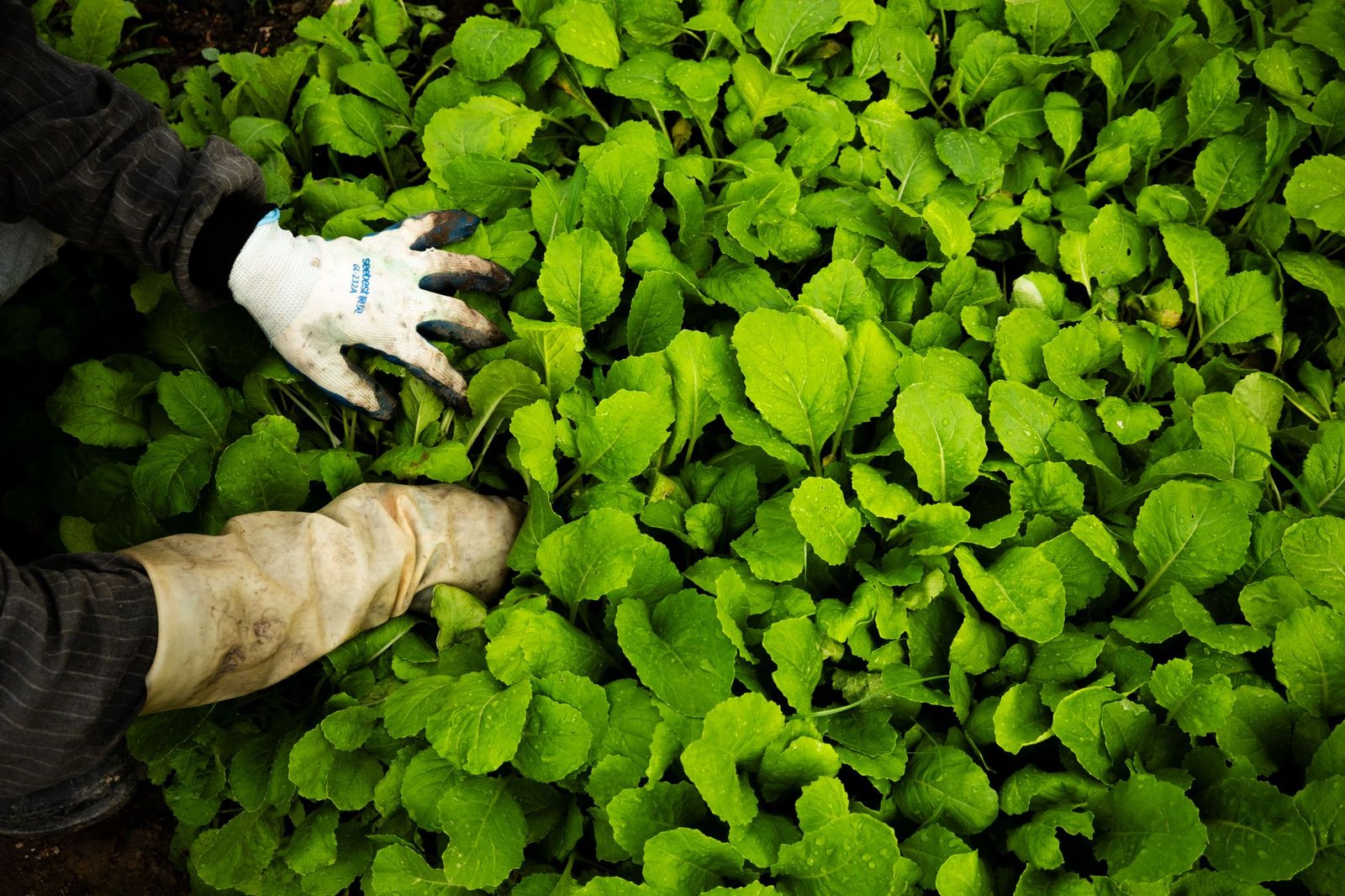
Dense, heavy clay soil can be a formidable challenge for any gardener, often leading to poor drainage, compaction, and stunted plant growth. However, transforming this challenging medium into a fertile environment for abundant harvests is entirely achievable through practical, affordable, and predominantly organic methods. By adopting specific strategies, the resident can significantly enhance soil structure, improve aeration, and foster robust root development, ultimately yielding larger and healthier crops.
Understanding Clay Soil’s Unique Challenges
Clay soil is characterized by its exceptionally fine particles, which pack tightly together, leaving minimal space for air and water to circulate freely. This leads to several common issues:
- Poor Drainage: Water tends to sit on the surface or drain very slowly, depriving plant roots of oxygen and increasing the risk of rot.
- Compaction: The dense nature of clay can physically restrict root growth, making it difficult for plants to establish themselves and access nutrients.
- Nutrient Imbalance: While clay soil can retain nutrients effectively, its compacted structure can make these nutrients inaccessible to plant roots.
- Slow Warming: Wet clay soil takes longer to warm up in spring, potentially delaying planting times and crop development.
Addressing these challenges involves breaking up the fine clay particles and creating larger aggregates, which improves porosity and encourages a thriving soil ecosystem.
7 Effective Organic Strategies for Clay Soil Improvement
1. Integrate Abundant Organic Matter
This is arguably the most crucial step for transforming clay soil. Incorporating significant quantities of organic matter helps bind the fine clay particles into larger, more stable aggregates. This process, known as flocculation, creates pathways for air and water, drastically improving drainage and aeration. Sources include:
- Well-Composted Manure: Provides a rich blend of nutrients and organic material. Ensure it is fully aged to prevent burning plants.
- Leaf Mold: Decomposed leaves offer excellent structural improvement and gradual nutrient release.
- Aged Wood Chips/Bark Fines: Best applied as a mulch to break down slowly into the soil, but can also be lightly incorporated.
- Quality Compost: Regular additions of a rich, balanced compost feed the soil microbiome and continually improve structure. For 2026, many nurseries offer advanced, pathogen-free compost blends optimized for nutrient delivery.
The resident should aim to work a 4-6 inch layer of organic matter into the top 6-12 inches of clay soil, ideally in the fall or early spring, and consistently top-dress with compost annually.
2. Harness the Power of Biochar
Biochar, a charcoal-like substance created by burning biomass in a low-oxygen environment, has gained significant traction by 2026 as a powerful soil amendment. Its highly porous structure acts like a microscopic sponge, dramatically improving water retention and aeration in clay soils. It also provides an excellent habitat for beneficial soil microbes and can sequester carbon long-term. When used in conjunction with compost, biochar enhances nutrient cycling and reduces nutrient leaching. A one-time application, thoroughly mixed into the topsoil, can provide lasting benefits.
3. Plant Strategic Cover Crops
Cover crops are a natural, effective way to break up compacted clay and add organic matter. Plants like tillage radishes, cereal rye, or clover send deep taproots into the soil, creating channels that improve drainage and aeration. When these crops are tilled under or flattened (e.g., ‘chop and drop’ method) before they go to seed, their decaying plant matter enriches the soil with valuable organic material and nutrients. This regenerative gardening practice is gaining even more popularity in 2026 for its sustainable benefits.
4. Consider Gypsum for Specific Cases
Calcium sulfate, commonly known as gypsum, can be beneficial for specific types of clay soil, particularly those with high sodium content. Gypsum’s calcium replaces sodium particles, causing the clay to flocculate and improve structure. However, it’s important to note that gypsum is not a universal solution; it does not add organic matter and is most effective in saline or sodic soils. A soil test before application is recommended to determine its suitability. For 2026, some advanced gypsum formulations offer slower release or micronutrient complexes.
5. Implement Raised Garden Beds
For immediate relief and control over soil conditions, constructing raised garden beds is an excellent option. This allows the homeowner to fill the beds with a custom blend of high-quality topsoil and organic matter, bypassing the native clay entirely. Raised beds also warm up faster in spring and provide excellent drainage. When constructing, consider sustainable materials like recycled composite lumber or locally sourced, untreated hardwoods. This method allows for instant planting success while the in-ground clay soil can be amended gradually over time.
6. Introduce Vermicompost and Worms
Vermicompost (worm castings) is an incredibly rich and biologically active soil amendment. Earthworms themselves are nature’s best soil engineers; their tunneling creates natural aeration and drainage channels, while their castings enhance soil structure and nutrient availability. Adding vermicompost to planting holes or as a top-dressing, along with encouraging a healthy population of native earthworms through consistent organic matter addition, significantly improves clay soil over time. Many residents are now easily maintaining home vermicomposting systems for a continuous supply of this valuable amendment.
7. Utilize Deep-Rooting Perennials and Tillage Radishes
Beyond traditional cover crops, strategically planting deep-rooting perennials like coneflowers, certain grasses, or even some shrubs can help break up clay over many seasons. Their extensive root systems naturally aerate and open up the soil profile. Tillage radishes are a specific type of daikon radish bred for their large, deep taproots that can penetrate compacted soil. When they decompose, they leave behind open channels, improving drainage and allowing subsequent plant roots to grow deeper. Incorporating these plants into crop rotations or garden designs offers a living, long-term solution.
Embracing Modern Trends for Enhanced Soil Health in 2026
Precision Soil Analysis
Modern advancements in soil testing kits and smart soil sensors (increasingly affordable by 2026) allow for precise analysis of clay soil composition, pH, and nutrient levels. This data empowers the user to apply amendments with greater accuracy, avoiding unnecessary applications and maximizing effectiveness. Knowing specific deficiencies or excesses helps tailor the organic matter blend for optimal results.
Microbial Boosters and Bio-stimulants
The understanding of the soil microbiome’s importance has grown significantly. In 2026, a wider array of affordable, high-quality microbial inoculants and bio-stimulants are available. These products introduce beneficial bacteria, fungi (like mycorrhizal fungi), and other microorganisms that enhance organic matter decomposition, nutrient cycling, and plant resilience, especially in challenging clay environments. These work synergistically with organic matter to establish a vibrant, living soil.
Conclusion: A Foundation for Abundant Growth
Improving clay soil is a process that requires patience and consistent effort, but the rewards are substantial. By systematically integrating organic matter, leveraging modern solutions like biochar and precision analysis, and fostering a healthy soil microbiome, the resident can transform dense clay into a productive, fertile growing medium. These seven practical and affordable methods provide a clear pathway to healthier plants, significantly larger harvests, and a more enjoyable gardening experience, laying a strong foundation for future abundance in the home landscape.