
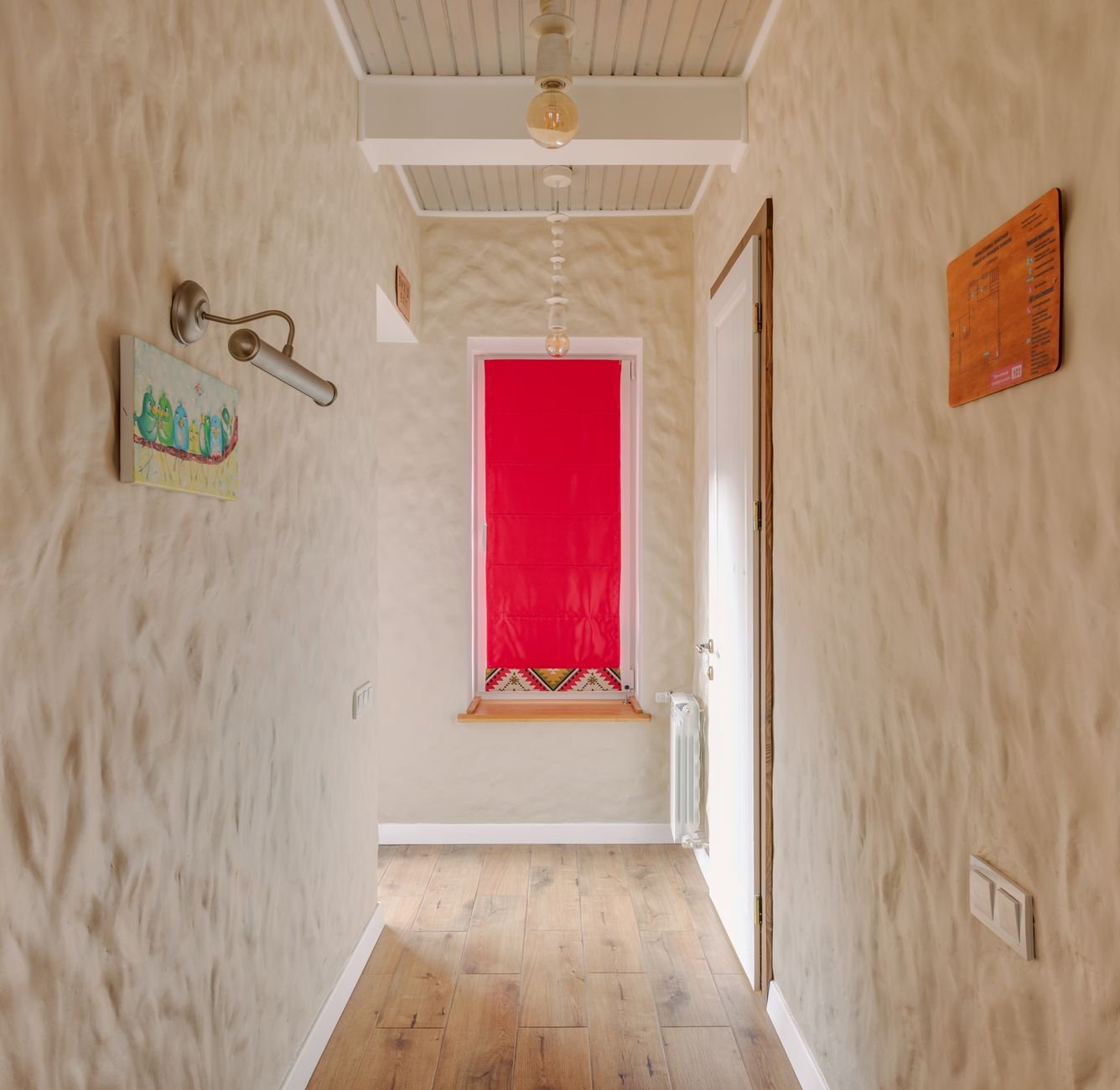
A narrow, dark hallway often presents a significant design challenge, leading to a cramped and unwelcoming first impression within a home. Addressing these common issues is entirely achievable with strategic design interventions focused on enhancing light, optimizing space, and creating visual depth. This article provides actionable solutions for homeowners looking to transform their constricted passageways into bright, inviting transitions, incorporating the latest industry trends and material innovations expected in 2026.
Illumination Strategies for Inviting Passageways
Effective lighting is paramount in transforming a dark hallway. Merely adding a single ceiling fixture often proves insufficient; a layered approach is crucial for generating depth and eliminating shadows.
Layered Lighting for Depth
For 2026, advanced LED lighting systems offer unparalleled flexibility. Recessed LED track lighting provides continuous, even illumination without protruding into the space, allowing for precise beam angles to highlight architectural features or artwork. Smart light strips, seamlessly integrated into ceiling coves, along baseboards, or within integrated shelving, can create a soft, ambient glow that visually expands the corridor. Circadian lighting systems are gaining traction, mimicking natural daylight cycles to enhance well-being and make the space feel more open throughout the day. For homes with no external walls in the hallway, self-charging solar tube options featuring battery backup can provide natural daylight even in deeper interior spaces, a significant innovation for sustainable illumination.
Reflective Surfaces and Mirrors
Mirrors are a classic yet highly effective tool for expanding perceived space and multiplying light. A large, strategically placed mirror at the end of a hallway can create an illusion of continuation, effectively doubling the length of the corridor. Opt for frameless or slim-framed designs for a contemporary look. Aged or antiqued mirrors can add character and a sense of history without overwhelming a narrow space. Mirrored furniture, such as a slender console table with a mirrored finish, also contributes to light reflection while offering functional utility. Wall coverings with subtle reflective particles or high-sheen finishes can also contribute to bouncing light around the space.
Color Psychology & Material Innovation
The choice of colors and materials plays a pivotal role in how a hallway is perceived, directly influencing its brightness and perceived spaciousness.
Brightening Hues and Finishes
Light, cool tones remain the go-to for opening up narrow spaces. Whites, pale grays, and soft pastels on walls and ceilings reflect light most effectively, instantly brightening a dark corridor. Employing a monochromatic palette with subtle variations in texture can create a cohesive and expansive feel. For 2026, advanced paint technologies include micro-ceramic particle paints designed to enhance light reflectance, making even slightly darker hues appear brighter under typical interior lighting. Utilizing a slightly lighter shade on the ceiling than on the walls can also elevate the perceived height of the hallway.
Flooring & Wall Textures
The floor material significantly impacts the visual flow. Light-colored, large-format tiles, such as polished porcelain or light-toned engineered stone, minimize grout lines and create a seamless, expansive look. Reflective vinyl plank flooring and light-toned engineered wood are also excellent choices, offering durability and warmth. When considering wall treatments, vertical paneling with subtle textures or wallpapers featuring vertical patterns can draw the eye upwards, enhancing the perception of height. Smart wallpapers featuring integrated micro-reflectors are emerging as a trend, subtly enhancing ambient light without appearing overtly shiny. Sustainable, lightweight composite materials are also becoming popular for wall finishes, offering durability and a clean aesthetic.
Strategic Furnishing & Spatial Illusion
Thoughtful selection and placement of furniture and decor are crucial to prevent a narrow hallway from feeling cluttered while maximizing its aesthetic and functional appeal.
Streamlined Furniture & Storage
Clutter is the enemy of a narrow space. Opt for streamlined, minimalist furniture pieces that offer practical storage without encroaching on the walkway. Floating consoles or slender, wall-mounted shelving units keep the floor clear, creating an uninterrupted sightline. Slim benches with integrated storage provide a practical seating option and hidden storage for shoes or bags. Multi-functional pieces are key. The year 2026 sees an increase in smart home integration, with furniture pieces offering hidden charging ports or touch-sensitive controls for ambient lighting, further minimizing visible elements and maximizing utility in tight spaces.
Art & Decor for Visual Flow
Carefully curated art and decor can enhance visual interest and guide the eye without adding bulk. Vertically oriented artwork or a gallery wall featuring a cohesive collection of frames can draw attention upwards, reinforcing the perception of height. A single, large statement piece at the end of the hallway can act as a focal point, drawing the resident’s gaze through the space. Avoid excessive small items or busy patterns that can make the hallway feel more cramped. Optical illusion rugs with linear or geometric patterns can also subtly guide the eye and add visual interest. Augmented reality (AR) art installations, projected onto walls, offer dynamic visual interest without taking up any physical depth, representing a cutting-edge decor option for the modern home.
Embracing Biophilic Design
Introducing elements of nature, known as biophilic design, can bring life and freshness to a narrow hallway without consuming precious floor space. Small, vertical planters or wall-mounted terrariums featuring low-light tolerant plants like Pothos, Snake Plants, or ZZ Plants can add a touch of greenery and improve air quality. Preserved moss walls offer a zero-maintenance biophilic solution that adds texture and natural color. Self-sustaining biophilic modules, integrating automated watering and lighting, are becoming more accessible, allowing residents to enjoy natural elements with minimal effort, contributing to a sense of calm and openness in even the most restrictive corridors.
By thoughtfully applying these seven design strategies, homeowners can effectively transform a cramped and dark hallway into a welcoming, well-lit, and visually expansive space that complements the rest of the home. Embracing modern materials and smart solutions ensures these transformations are not only aesthetically pleasing but also functional and enduring for years to come.