
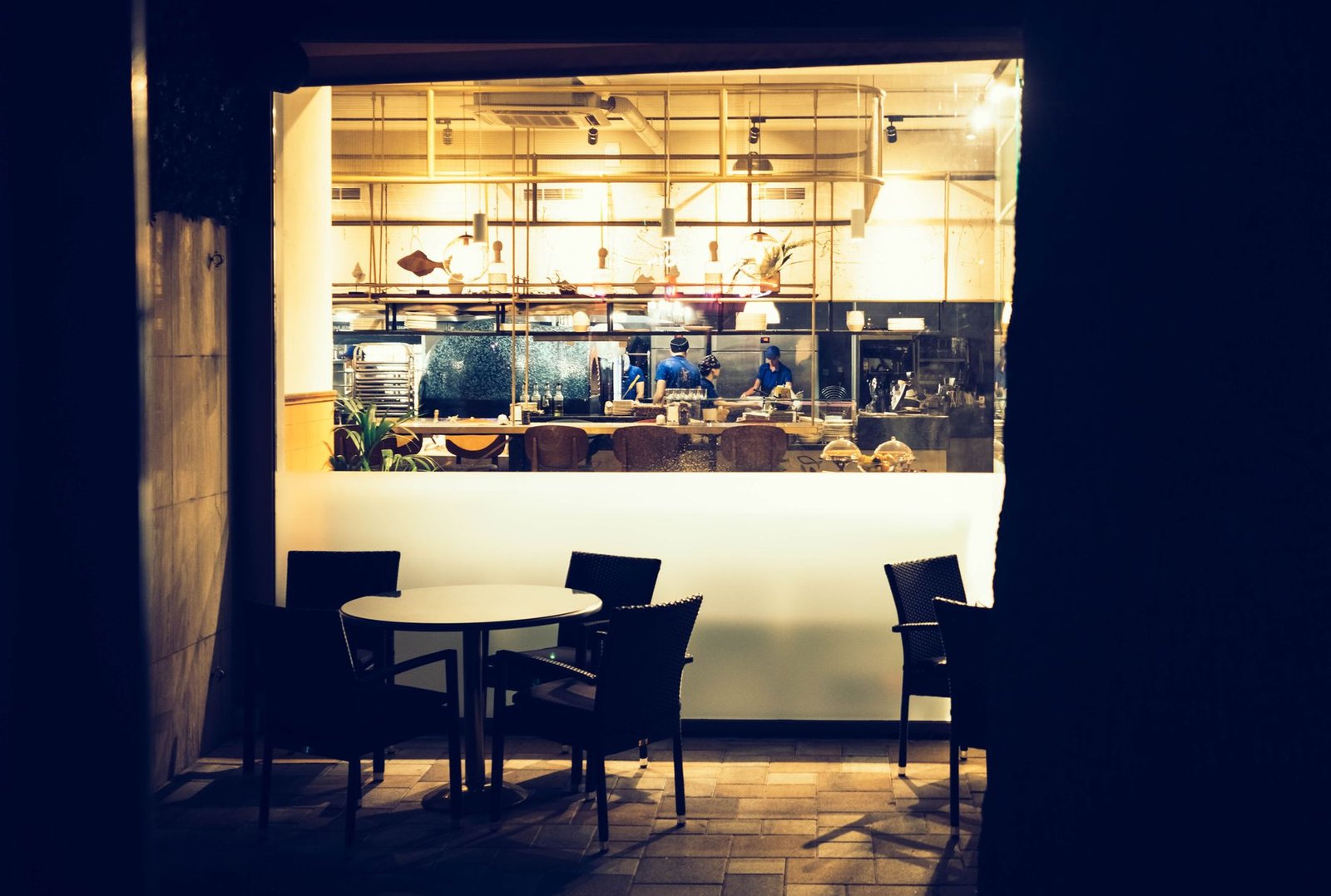
In 2026, outdoor kitchens are evolving beyond simple grills and counters, becoming sophisticated culinary and entertainment hubs. This analysis unveils seven innovative outdoor kitchen designs trending this year, offering solutions for every budget while inspiring homeowners to elevate their patio upgrades. These concepts showcase cutting-edge layouts and materials, ensuring both aesthetic appeal and enhanced functionality for any outdoor living space.
The Evolution of Outdoor Culinary Spaces in 2026
The modern outdoor kitchen is a testament to the seamless integration of indoor comforts with the refreshing freedom of the outdoors. Driven by advancements in materials, technology, and a renewed focus on sustainability, these spaces are designed for year-round enjoyment and minimal maintenance.
Trends Shaping 2026 Outdoor Kitchens
Several key trends are defining outdoor kitchen aesthetics and functionality in 2026. Sustainability is paramount, with a strong emphasis on recycled, reclaimed, and locally sourced materials. Smart technology integration is no longer a luxury but an expectation, offering automated climate control, intelligent cooking appliances, and integrated entertainment systems. Modularity and flexibility allow for customizable layouts that can adapt to varying space requirements and future expansions. Furthermore, biophilic design principles are increasingly incorporated, blending natural elements like living walls and water features to enhance well-being and visual harmony.
Modern Material Advancements for Durability and Style
Material science has significantly impacted outdoor kitchen design. High-performance compact laminates, resistant to UV, scratches, and extreme temperatures, are popular for countertops and cabinetry. Marine-grade stainless steel remains a standard for appliances and sinks due to its unparalleled corrosion resistance. Advanced concrete formulations, often infused with lightweight aggregates and sealed for superior weatherproofing, offer a minimalist yet robust aesthetic. Recycled composite materials provide sustainable alternatives for decking and paneling, while durable, weather-resistant natural stones like granite and quartzite continue to offer timeless elegance.
7 Innovative Outdoor Kitchen Designs Trending in 2026 for Every Budget
1. The Modular Micro-Kitchen
This design champions adaptability and scalability. Consisting of standalone, customizable units for grilling, prep, and storage, the modular micro-kitchen allows residents to start with essential components and expand as needs or budgets permit. Innovation lies in its compact footprint, ideal for smaller patios or balconies, and the ability to easily reconfigure layouts. Budget-friendly aspects include phased purchasing and potential for DIY assembly of basic modules.
2. Biophilic Integrated Zones
Seamlessly blending the culinary space with the surrounding landscape, biophilic designs incorporate living walls, herb gardens, and natural water features directly into the kitchen structure. Materials like reclaimed wood and permeable pavers enhance the connection to nature. The innovation is in creating a serene, multi-sensory environment that promotes well-being. This can be budget-friendly by focusing on native, low-maintenance plant species and utilizing existing landscape elements.
3. Smart-Tech Command Centers
For the tech-savvy homeowner, 2026 sees outdoor kitchens as fully integrated smart hubs. This includes Wi-Fi-enabled grills with remote temperature monitoring, voice-activated lighting and heating, and weather-resistant display screens for recipes or entertainment. The innovation is in the unprecedented level of convenience and control. A budget-conscious approach involves selecting key smart appliances initially and adding complementary smart home integrations over time.
4. The Upcycled Industrial Chic Kitchen
Embracing a raw, urban aesthetic, this design utilizes repurposed and reclaimed materials such as shipping containers, salvaged metal sheets, and distressed wood. Exposed piping and utilitarian fixtures complete the look. Innovation comes from transforming discarded elements into a sophisticated and sustainable culinary space. This is inherently budget-friendly due to the low cost or free acquisition of materials, coupled with the resident’s ingenuity for customization.
5. Scandinavian Simplicity & Functionality
Characterized by clean lines, minimalist aesthetics, and a focus on natural light, the Scandinavian-inspired outdoor kitchen emphasizes functionality without clutter. Light-toned woods, durable compact laminates, and efficient storage solutions create a serene and highly functional space. The innovation lies in its timeless appeal and ergonomic design. Its budget-friendliness stems from fewer ornate details and a focus on quality, multi-functional pieces rather than excessive ornamentation.
6. Multi-functional Social Hubs
Beyond cooking, these designs integrate dining, lounging, and entertainment areas into a cohesive zone. Think convertible counter-height tables that transition to bars, built-in banquette seating with hidden storage, and flexible partitions. The innovation is in maximizing social interaction and utility within a single, dynamic footprint. This approach can be budget-friendly by designing integrated elements that serve multiple purposes, reducing the need for separate furniture pieces.
7. The Portable & Adaptable Chef’s Station
Ideal for smaller spaces, renters, or those desiring maximum flexibility, this concept involves wheeled cooking islands, collapsible prep stations, and modular units that can be easily moved or stored. Innovation is found in its ultimate adaptability and non-permanent nature. It is highly budget-friendly as it avoids costly permanent construction and allows for relocation, making it suitable for evolving outdoor living needs.
Maximizing Value: Budget-Friendly Strategies for Outdoor Kitchens
Achieving an innovative outdoor kitchen without overspending is entirely feasible. Thoughtful planning and strategic material choices are key:
- Modular Components: The homeowner can invest in core cooking units first and add complementary sections later, spreading costs over time.
- DIY Integration: For tasks like installing basic cabinetry or tiling, a skilled homeowner can save significantly on labor costs.
- Repurposed Materials: Utilizing reclaimed wood, stone, or metal for non-critical elements can reduce material expenditure while adding unique character.
- Smart Material Choices: Opting for high-performance laminates or sealed concrete for countertops can offer similar durability and aesthetics to natural stone at a lower price point.
- Phased Installation: Breaking the project into manageable stages, such as installing the grilling station first and then adding refrigeration or storage, helps manage cash flow.
- Strategic Appliance Selection: Prioritizing essential cooking elements (grill, side burner) and choosing energy-efficient models can reduce both upfront and operational costs.
The outdoor kitchen landscape of 2026 offers unparalleled opportunities for homeowners to create spaces that are both cutting-edge and economically viable. By embracing modularity, sustainable practices, smart technology, and thoughtful design, any resident can achieve a stylish, functional, and budget-conscious outdoor culinary haven that enhances domestic comfort and outdoor living for years to come.