
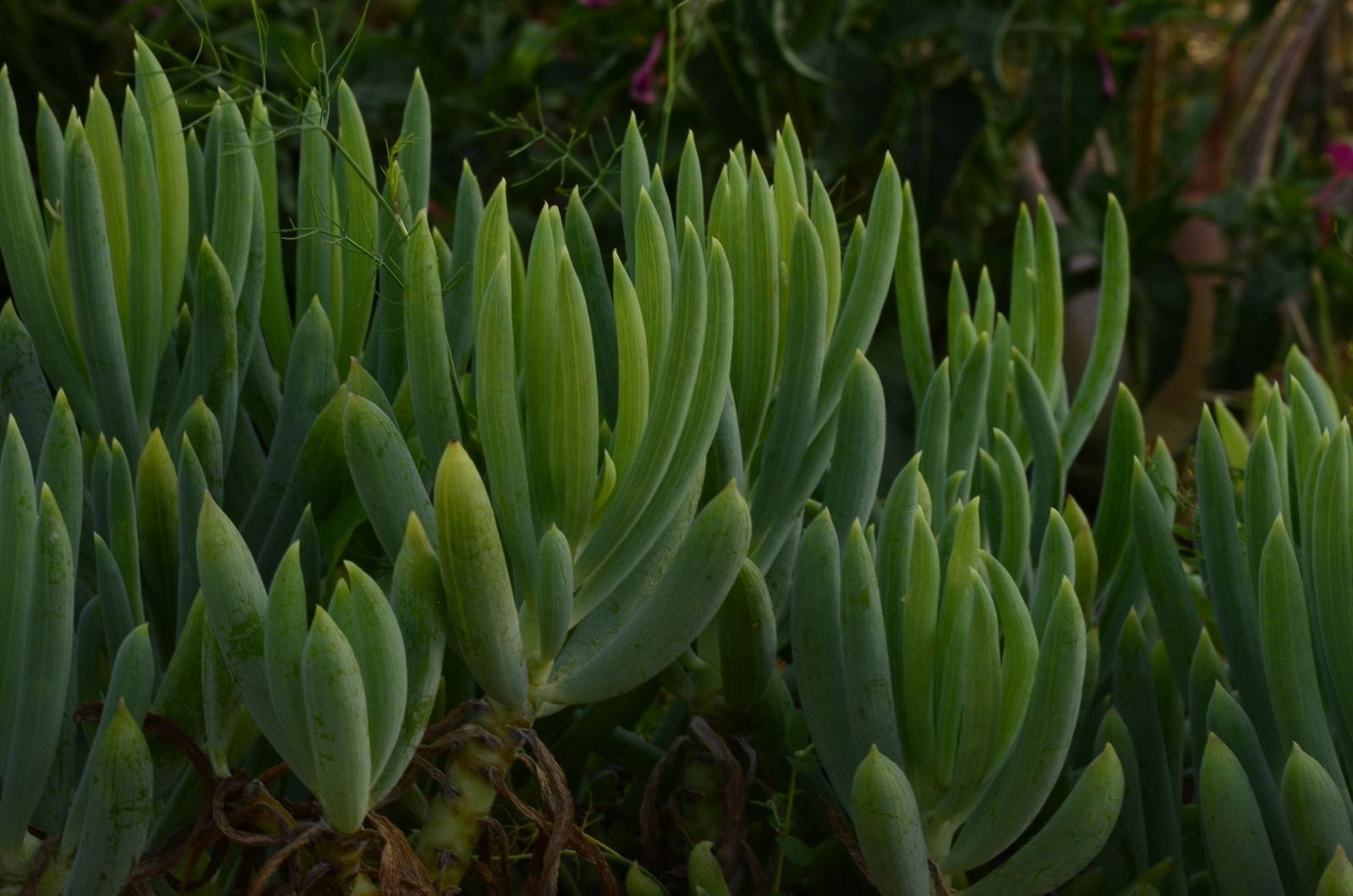
When a vegetable garden begins wilting under intense summer heat, it signifies a critical challenge for cultivators aiming for a productive harvest. Mitigating the impact of water scarcity, a prominent concern in 2026’s changing climate, requires strategic plant selection. This article highlights seven highly resilient vegetable varieties specifically chosen for their ability to thrive in hotter conditions, ensuring sustained yield despite reduced water availability.
Adapting to the 2026 Climate: Drought-Resistant Gardening Essentials
The agricultural landscape continues to evolve, and 2026 presents specific environmental considerations for garden planning. Escalating global temperatures and increasingly unpredictable precipitation patterns necessitate a paradigm shift in how residents approach their edible gardens. Traditional water-intensive cultivation methods are becoming less sustainable, prompting a strong emphasis on resilience and efficiency.
Understanding the 2026 Climate Challenge
Climate models for 2026 indicate a continuation of warmer summers and extended dry spells in many regions. This reality directly impacts a garden’s vitality, making water conservation paramount. Homeowners are increasingly seeking robust plant choices that can withstand these stressors, ensuring food security and a rewarding gardening experience without excessive water consumption.
Modern Approaches to Water Conservation in Gardens
Successful drought-resistant gardening in 2026 integrates plant selection with intelligent water management. This includes embracing principles of xeriscaping for edible landscapes, focusing on soil health to maximize water retention, and utilizing advanced irrigation technologies. The goal is to create a self-sustaining ecosystem that requires minimal external intervention for optimal performance.
7 Drought-Resistant Vegetable Varieties for a Thriving 2026 Harvest
Selecting the right varieties is the cornerstone of a water-wise garden. The following plants have demonstrated exceptional resilience to high temperatures and periods of reduced watering, making them ideal choices for the current climate.
-
1. Okra (Abelmoschus esculentus): The Heat-Loving Pod
Okra thrives in intense heat and sunshine, producing abundant, mucilaginous pods. Once established, its deep taproot system makes it remarkably drought-tolerant, requiring less frequent watering than many other summer vegetables. Varieties such as ‘Clemson Spineless’ or ‘Burgundy’ are particularly robust. Regular harvesting encourages continuous production throughout the hottest months.
-
2. Sweet Potatoes (Ipomoea batatas): Resilient Root Crop
Beyond their delicious and nutritious roots, sweet potatoes are incredibly resilient. Once their vigorous vines have established, they can tolerate significant dry spells, drawing moisture from deeper soil layers. The dense foliage also helps to shade the soil, reducing evaporation. Cultivating on raised beds or mounds with good drainage further enhances their drought tolerance.
-
3. Cowpeas (Vigna unguiculata): The Southern Workhorse
Often referred to as ‘southern peas,’ cowpeas are legendary for their ability to produce in poor soils and hot, dry conditions. These legumes are also nitrogen-fixers, enriching the soil as they grow, which benefits subsequent plantings. Varieties like ‘Black-Eyed Pea’ or ‘Pinkeye Purple Hull’ offer excellent yields of both fresh pods and dried beans, requiring minimal water once germinated.
-
4. Amaranth (Amaranthus spp.): Dual-Purpose Survivor
Amaranth is a versatile plant, cultivated for its nutritious leaves (used like spinach) and its protein-rich seeds (a gluten-free grain). This ancient crop is incredibly heat and drought-tolerant once it has a strong root system. Its vibrant foliage also adds ornamental value to the garden. It is a true champion for low-water gardening.
-
5. Malabar Spinach (Basella alba/rubra): Tropical Leafy Green
Unlike traditional spinach which bolts quickly in heat, Malabar spinach is a vining plant that actually prefers hot, humid conditions but also shows strong resilience to dry periods once established. Its succulent leaves store water, allowing it to remain productive when other greens wilt. It offers a continuous harvest of nutritious greens throughout summer.
-
6. Eggplant (Solanum melongena): Sturdy Solanaceous Crop
While related to tomatoes and peppers, many eggplant varieties exhibit superior drought tolerance. Their robust root systems allow them to withstand short periods of water stress without significant loss of yield. Providing a good layer of mulch around the plants is highly beneficial for conserving moisture. Varieties like ‘Black Beauty’ or ‘Nadia’ perform well under less-than-ideal watering regimes.
-
7. Artichokes (Cynara scolymus): Deep-Rooted Delicacy
Once established, artichoke plants develop incredibly deep root systems, enabling them to tap into water reserves far below the surface. While they appreciate consistent moisture during bud formation, mature plants are remarkably drought-tolerant, especially in regions with dry summers. Their striking architectural form also adds aesthetic appeal to the landscape.
Innovative Gardening Practices for Water Scarcity in 2026
Beyond plant selection, modern gardening employs several advanced techniques to optimize water usage and support resilient growth.
Advanced Irrigation Systems
The year 2026 sees continued advancements in smart irrigation. Drip irrigation systems are now standard, delivering water precisely to the plant roots, minimizing evaporation and runoff. Sub-surface drip lines are gaining popularity for even greater efficiency. Modern systems integrate with IoT-enabled moisture sensors that monitor soil conditions in real-time, automatically adjusting watering schedules based on actual plant needs and local weather forecasts. This precision minimizes waste and ensures plants receive exactly what they require.
Soil Amendments and Mulching Techniques
Improving soil structure is fundamental to water retention. Incorporating ample organic matter, such as well-aged compost or biochar, enhances the soil’s capacity to hold moisture. Mulching remains one of the most effective strategies for reducing evaporation and suppressing weeds that compete for water. In 2026, homeowners are utilizing sustainable, biodegradable mulches, including straw, wood chips, and specialized composted materials that slowly release nutrients while maintaining soil humidity. The practice of cover cropping during off-seasons also contributes to long-term soil health and water retention.
Smart Garden Monitoring for 2026
Beyond irrigation, smart garden monitoring extends to nutrient management and early stress detection. Handheld or fixed-position sensors provide data on soil pH, nutrient levels, and even plant sap flow, allowing gardeners to proactively address deficiencies or water stress before visible symptoms appear. This data-driven approach ensures optimal growing conditions while conserving resources.
Cultivating a Resilient and Productive Harvest
Successfully navigating the challenges of summer heat and water scarcity in 2026 is entirely achievable through informed choices and proactive strategies. By integrating drought-resistant vegetable varieties with intelligent watering practices, enriched soil, and modern monitoring technologies, residents can cultivate gardens that remain vibrant and productive. This approach not only secures a bountiful harvest but also contributes to sustainable living, fostering a deeper connection between the homeowner and their environment.